About 14,600 of 18,495 planned units designated as rental housing
Long-term public rental criteria applied on top of Mirinaezip allocation
Residents warn of resettlement shortfall; ministry says plan can be revised
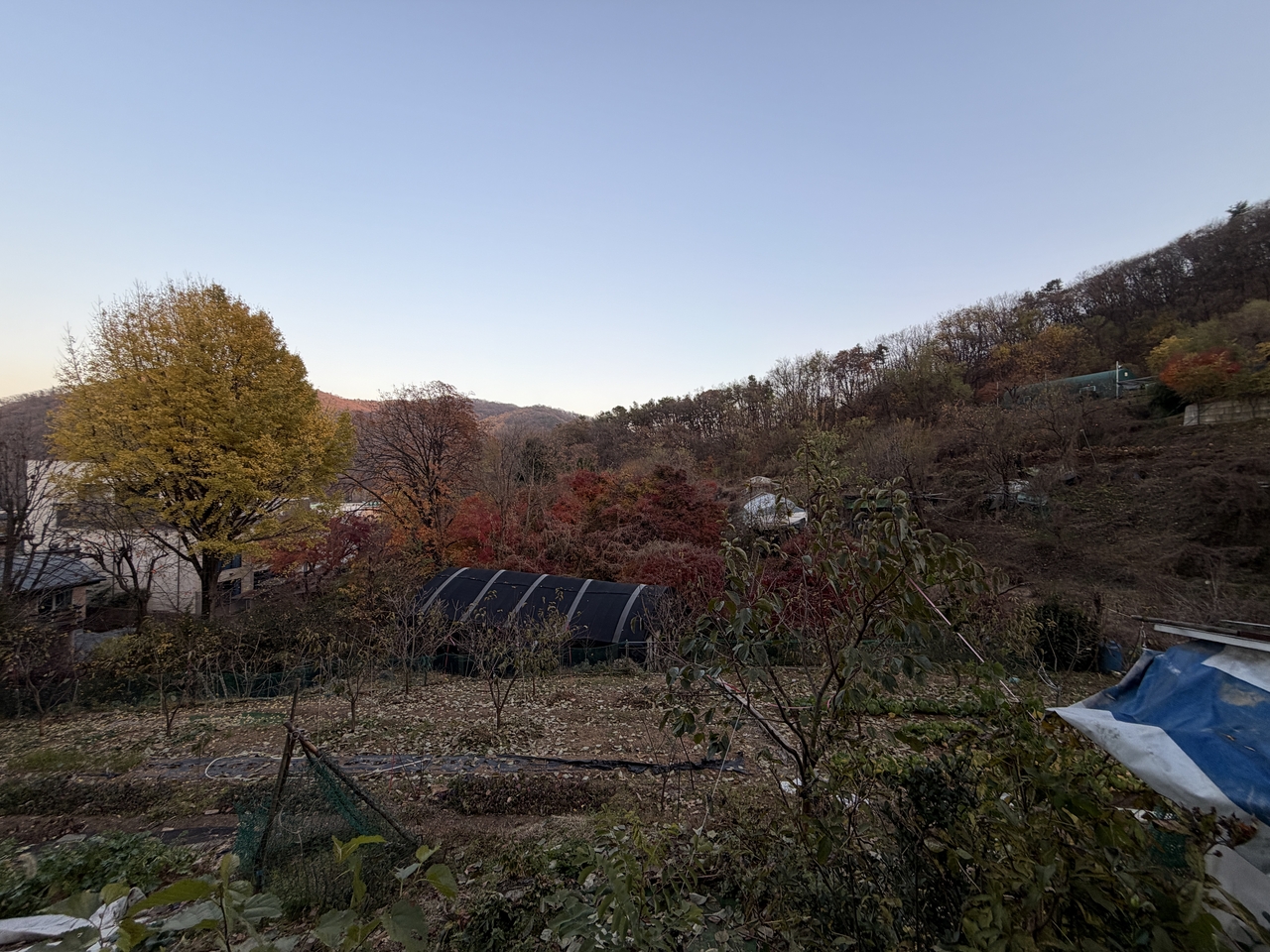
The government is pushing to designate 79 percent of all housing units in the Seoripul 1 public housing district — to be built on greenbelt land released in southern Seoul — as rental housing.
According to the results of a resident opinion survey released Monday by Korea Land and Housing Corporation (LH) and Seoul Housing & Communities Corporation (SH), about 14,600 of the 18,495 units planned for the district are designated as rental housing, accounting for 79 percent of the total.
Seoripul 1 is a large-scale public housing site spanning 2.018 million square meters across the Wonji-dong, Sinwon-dong, Yeomgok-dong and Naegok-dong neighborhoods of Seocho-gu in Seoul. The project targets approval of the district plan and the start of land compensation in March next year, with housing construction set to begin in the second half of 2028.
The government and the Seoul Metropolitan Government announced in November 2024 that they would supply a combined 20,000 units across the Seoripul 1 and 2 districts, with 55 percent — or 11,000 units — to be offered as "Mirinaezip," a long-term jeonse (lease-deposit) housing program for newlyweds. Mirinaezip allows residents to stay for up to 20 years if they have a child after moving in, and gives those who have two or more children the right to purchase the unit at below-market price after the 20-year period.
The rental share has climbed to nearly 80 percent because long-term public rental housing requirements were applied separately from the Mirinaezip allocation.
Under the enforcement decree of the Special Act on Public Housing and the Ministry of Land, Infrastructure and Transport's public housing operational guidelines, public housing districts must allocate at least 35 percent of all units to public rental housing and at least 25 percent to long-term public rental housing. Long-term jeonse housing such as Mirinaezip qualifies as public rental housing but does not count as long-term public rental housing under the guidelines.
Some residents argue that a supply plan so heavily weighted toward rental units reduces homeownership opportunities for those without homes and makes it harder for existing landowners to resettle in the area. They are also calling on the authorities to establish a housing supply arrangement for landowners who voluntarily transfer their land, in order to minimize the impact of the development on them.
The Ministry of Land, Infrastructure and Transport said the district plan has not yet been finalized, and that the supply breakdown could be adjusted through consultations with the Seoul Metropolitan Government and residents.
An LH official said the corporation had planned single-family residential lots adjacent to Cheongnyong Village to help residents subject to relocation measures resettle stably.
hss@heraldcorp.com