24 survivors confirmed for resettlement support as Seongbuk-gu wraps up assistance program; women's rights center holds closure documentation exhibition; youth-restricted zone designation set to be lifted in December
A place of pain for all who passed through it — the youth-restricted zone around the Hawolgok-dong red-light district is set to be lifted.
Seoul's Seongbuk-gu has begun follow-up measures after closing the Hawolgok-dong red-light district, known colloquially as "Miari Texas," which operated for more than 70 years.
The district is wrapping up resettlement support for survivors of the sex trade and plans to lift a youth-restricted zone designation that has been in place for 27 years.
Seongbuk-gu has operated a public-private resettlement support system to help survivors reintegrate into society following the closure. Working with local specialized agencies — including a sex-trade victim counseling center and a self-sufficiency support center — the district provided in-depth counseling and vocational programs, supplemented by its own budget to help survivors stabilize their livelihoods and build a foundation for independence.
Applications for resettlement support closed Sept. 30, and a selection committee subsequently confirmed 24 people as final beneficiaries.
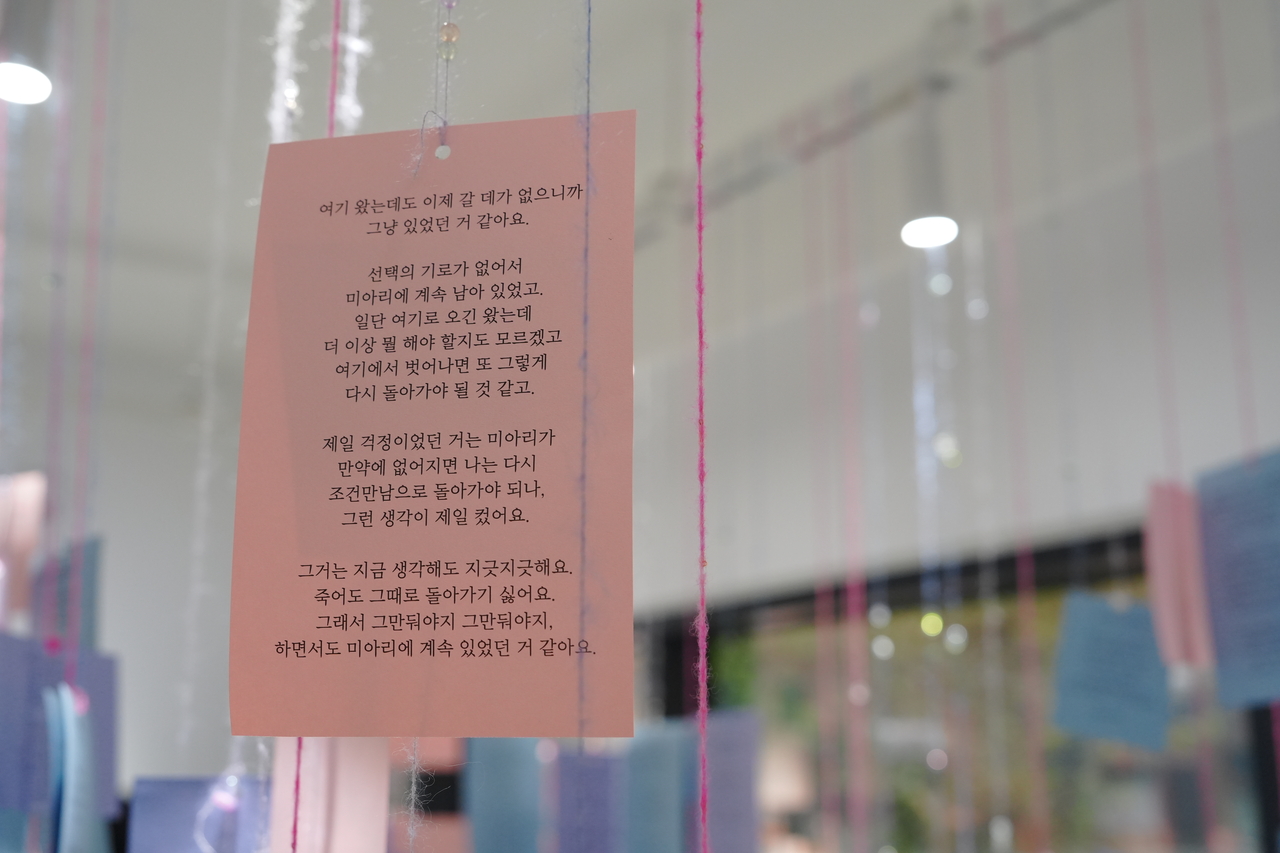
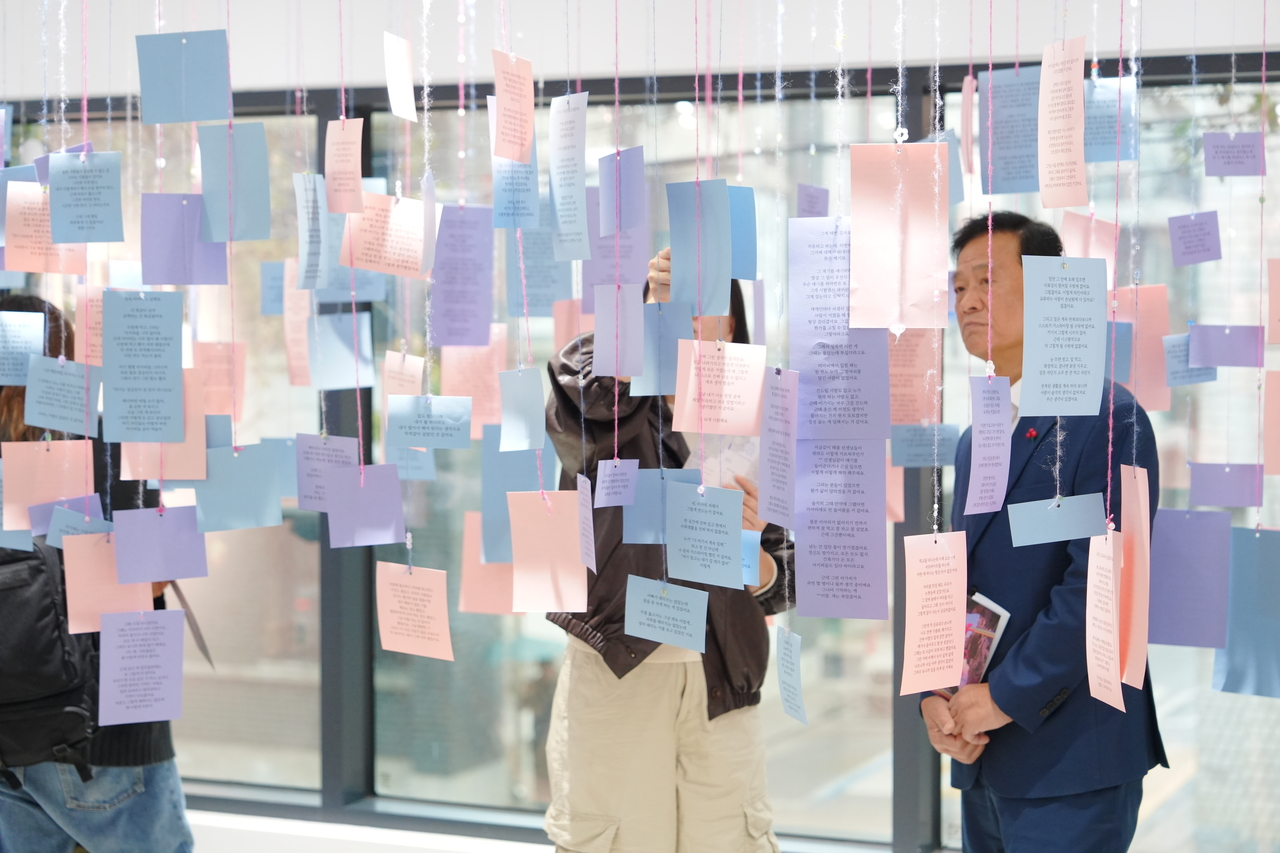
An exhibition documenting the historical significance of the closure and the survivors' new beginnings was also held.
Titled "Itda-Yeokda-Itda" ("Connect — Weave — Exist"), the exhibition was organized by the Women's Rights Center Boda with support from Seongbuk-gu's gender equality fund and ran through Monday at Space CTO on Samseon Bridge Road. Through photographs, video records and collaborative works by survivors, the exhibition shed light on the process of building new lives after the closure of the red-light district.
The district is also moving to lift the youth-restricted zone designation established in 1999.
The area around 88–104 Hawolgok-dong has been classified as a zone where prostitution occurs or is at risk of occurring, restricting minors from passing through around the clock. Seongbuk-gu plans to verify the demolition status under its urban environment improvement project, gather input from relevant agencies and residents, and complete the lifting of the designation in December.
"The public and private sectors joined forces to support survivors' self-sufficiency and to prepare for the positive changes the neighborhood will see after more than 70 years," Seongbuk-gu District Mayor Lee Seung-ro said. "We will look after the survivors with care so they can settle in as full members of our society, and we will push ahead without delay on lifting the youth-restricted zone designation — a long-held wish of local residents."
seouldream01@heraldcorp.com