Court expected to decide this week on stay of execution request
If denied, 2-year ban takes effect Saturday, clouding KF-21 missile deal
Defense industry watches closely as debate grows over pre-verdict sanctions
Defense industry eyes fallout; National Assembly raises concerns over excessive sanctions
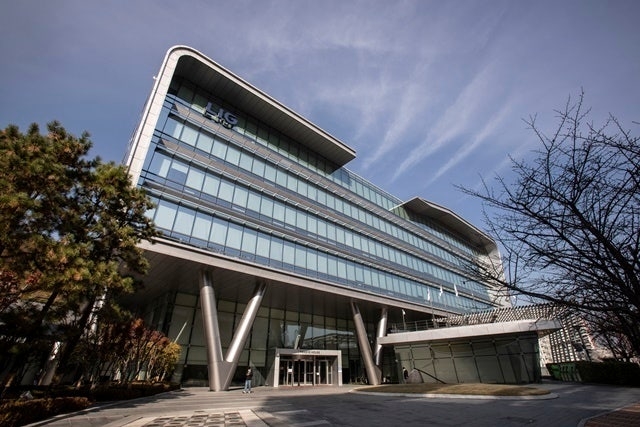
A two-year ban on LIG Defense & Aerospace's participation in government procurement bids, imposed by the Defense Acquisition Program Administration, is set to reach a crossroads this week as a court prepares to rule on the company's request to suspend the measure. If the request is denied, LIG D&A will immediately lose the ability to compete for new defense contracts, threatening its position in major programs. The appropriateness of imposing administrative sanctions while criminal proceedings are still ongoing has also drawn scrutiny, keeping the defense industry on edge ahead of the ruling.
According to industry sources, the Seoul Administrative Court is expected to issue a decision as early as this week on LIG D&A's application to stay the DAPA-imposed bid disqualification. The court completed its hearing on the stay application on Nov. 5 and is currently reviewing additional written submissions from both sides. A ruling is widely expected around Friday, when the court's temporary suspension of the sanction expires.
If the stay application is denied, LIG D&A will be barred from Saturday from entering new bids with the central government, local governments and public institutions for 24 months. If the application is granted, the company will retain its bidding rights until a final ruling is issued in the main lawsuit.
Ongoing negotiations, contracts at risk if ban takes effect
The program most immediately at risk is the development of a long-range air-to-air missile for the homegrown KF-21 fighter jet. LIG D&A was selected as the preferred negotiating partner after ranking first in five of the project's core areas, including systems integration and seeker development. The program carries a total budget of 1.9 trillion won ($1.42 billion) and is scheduled for contract signing in December. Should the stay be denied and the ban take effect, the upcoming negotiation and contracting process could be disrupted.
A central legal question in the case is whether DAPA had the authority to impose a bid ban at the indictment stage, before a criminal conviction. DAPA said it reached its decision on Oct. 20 after a contract review committee heard testimony from the company and assessed the potential impact on future defense procurement. The agency maintains that criminal proceedings and administrative sanctions are separate matters. Article 27 of the State Contracts Act allows authorities to restrict a company's bidding rights for up to two years when it is deemed an improper contractor.
However, voices within the industry argue that imposing the maximum sanction while a criminal trial is still underway carries serious risks. Even if the defendant is ultimately acquitted, the severity of the restriction could inflict irreversible damage on the company. Industry observers warn that such an outcome could undermine confidence in the broader defense sector and raise concerns that administrative decisions may prejudge the judiciary's eventual findings.
Subcontractors face collateral damage if sanctions stand
The ripple effects of the sanctions are drawing wide attention. Defense programs typically rely on a supply chain of mid-sized and small subcontractors clustered around a prime systems integrator. "If a major systems company is barred from new projects or its project schedule is disrupted, that will inevitably affect subcontractors' orders and production," one industry official said. The potential for overlapping penalties adds another layer of uncertainty — on top of the bid ban, authorities are also reviewing whether to revoke LIG D&A's designation as a defense company and impose separate sanctions related to research and development programs.
Hanwha Aerospace, which suffered an explosion at its Daejeon plant last June, is also watching the situation closely. The Ministry of Employment and Labor identified 473 violations of the Occupational Safety and Health Act and related regulations during a special inspection, referring 189 of them for criminal prosecution. While the legal basis and procedures differ from the LIG D&A case, the broader question of how government investigations and follow-up measures affect major defense contractors' operations has become a shared concern across the industry.
The issue has also drawn attention in the National Assembly. At a plenary session of the Trade, Industry, Small and Medium Enterprises, and Startups Committee on Friday, lawmakers from both the ruling and opposition parties raised objections to DAPA's request that the Ministry of Trade, Industry and Resources consider revoking LIG D&A's defense company designation in connection with a small unmanned aerial vehicle countermeasure program. Members argued that stripping the company of its defense designation on top of the 24-month bid ban already in place could constitute excessive punishment. Industry Minister Kim Jung-kwan said the ministry would weigh the decision with consideration for fairness and the unique characteristics of the defense industry.

keg@heraldcorp.com