Semiconductor exports and investment rebound accelerate growth
Inflation seen at 2.7% this year; IMF recommends further monetary tightening
Fund urges targeted support for vulnerable groups alongside fiscal restraint
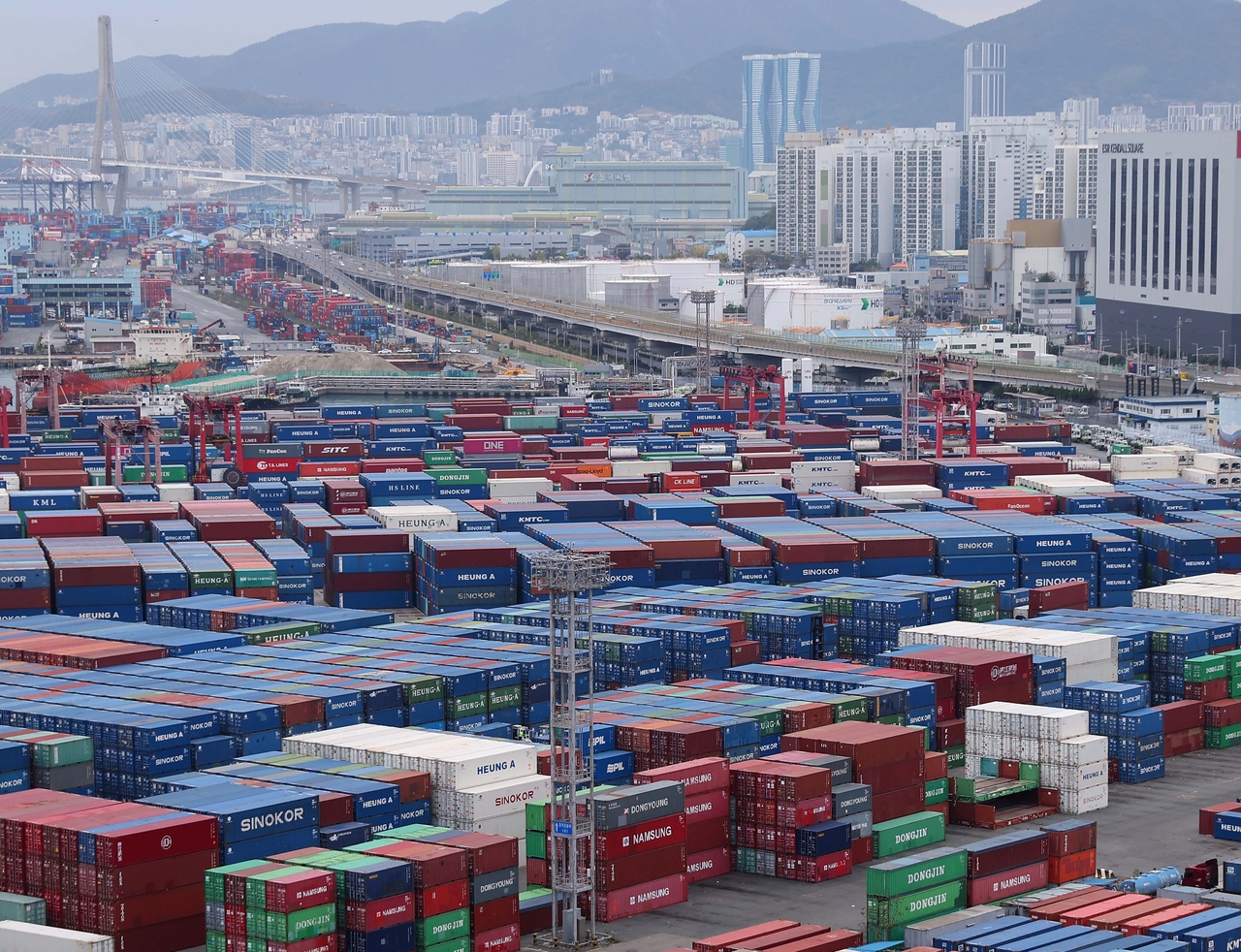
The International Monetary Fund has raised its growth forecast for South Korea this year to 3.9%, lifting the projection by 0.6 percentage points within a month. The fund cited a surge in semiconductor exports driven by the global AI boom, a rebound in investment and resilient consumer spending. It also revised its outlook for next year upward by 0.5 percentage points to 3.3%.
The IMF cautioned, however, that the gains from the AI-driven expansion have so far been concentrated largely in the high-technology sector, and that broader diffusion across the wider economy is expected to be gradual.
According to the Ministry of Economy and Finance, an IMF consultation team visited South Korea from Nov. 3 through Tuesday and released the findings of its 2026 Article IV Consultation.
The IMF projected South Korea's real GDP growth at 3.9% this year, up 0.6 percentage points from the 3.3% it had set in last month's World Economic Outlook. The forecast for next year was also raised by 0.5 percentage points, from 2.8% to 3.3%.
The fund said South Korea's economy, which grew 1.1% last year, is set for a sharp acceleration this year on the back of surging exports from the high-technology sector, a recovery in investment and solid consumption. The global AI boom is driving record-high semiconductor exports, providing an exceptional growth impulse to the Korean economy, the IMF said, adding that the strong export performance is also feeding through to improved corporate earnings and higher fiscal revenues.
The IMF expects the strong momentum to carry into next year, as income gains generated in the high-technology sector spread to consumption and investment aimed at accelerating South Korea's AI transition picks up in earnest. AI-related investment is also expected to contribute to raising potential growth over the medium term.
The fund nonetheless flagged the risk of growth benefits becoming concentrated in specific industries. It said the fruits of expansion have so far been centered mainly in the high-technology sector, with a broader spillover to the overall economy expected to materialize only gradually.
To sustain the AI-driven growth trajectory, the IMF said South Korea must address longstanding structural constraints, including rapid population aging, deepening regional imbalances and uneven productivity gains between firms and workers.
The IMF projected inflation at 2.7% this year and 2.3% next year. While energy-price pressures have been partly eased by policy responses, the fund expects inflation to remain above the 2 percent target as domestic demand strengthens. It also assessed that downside risks to the growth outlook are dominant amid elevated uncertainty.
Against this backdrop, the IMF recommended further monetary tightening, saying that with the economy running above potential and inflation above target, authorities should act to prevent inflationary pressures from becoming entrenched.
The fund said near-term macroeconomic policies should be carefully calibrated to contain demand pressures while also mitigating the risks of excessive economic concentration in specific sectors.
On fiscal policy, the IMF advised a moderately restrictive stance. It said targeted support for vulnerable households and businesses should be maintained, but that the overall fiscal orientation should lean toward restraint to curb aggregate demand pressures. The fund welcomed the establishment of a Future Response Fund as a fiscal stabilization tool, expressing hope that it would help strengthen the countercyclical capacity of fiscal policy going forward.
On financial markets, the IMF said preemptive measures by authorities to cool housing market pressures, strengthen investor protection and address pockets of vulnerability in the financial sector have contributed to maintaining financial stability. It recommended keeping exchange rate flexibility as a key buffer against external shocks, and limiting foreign exchange market intervention to cases involving disorderly market conditions.
The fund also called for diversifying growth drivers through structural reform, recommending steps to raise labor force participation, narrow wage gaps between different forms of employment and expand the social safety net to boost household income and consumption.
It said public investment in regional growth hubs and productivity improvements outside the Greater Seoul metropolitan area would help support the broader adoption and diffusion of AI technology.
The IMF further said South Korea should strengthen its economic resilience against external shocks by diversifying export markets and continuing the transition to renewable energy. It expressed support for the South Korean government's economic growth strategy, which focuses on addressing long-standing structural challenges through measures including balanced regional development.
y2k@heraldcorp.com