Farm raises 10,000 breeding ducks
Movement controls cover duck farms in Jangseong, Yeonggwang and Hampyeong
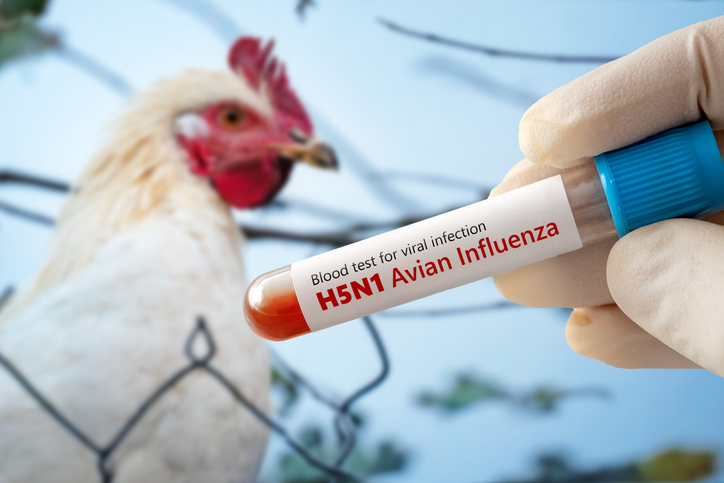
An H5-type avian influenza antigen has been detected at a duck breeding farm in Jangseong, South Jeolla Province. Quarantine authorities have restricted access to the farm and begun culling livestock, while issuing a 24-hour temporary movement ban on nearby duck farms and livestock facilities.
The Central Disaster Management Headquarters for Highly Pathogenic Avian Influenza confirmed Tuesday that the H5-type AI antigen was found at a breeding duck farm in Jangseong. The farm raises 10,000 breeding ducks.
The Animal and Plant Quarantine Agency is conducting further tests to determine whether the strain is highly pathogenic. Results are expected within one to three days.
If the case is confirmed as highly pathogenic, the total number of highly pathogenic AI outbreaks at poultry farms nationwide since Nov. 3 will rise from seven to eight. The seven confirmed cases so far have been reported in Yeoncheon, Yeoju and Paju in Gyeonggi Province; Ganghwa in Incheon; Jincheon in North Chungcheong Province; Jangheung in South Jeolla Province; and Gyeongju in North Gyeongsang Province.
The headquarters dispatched an initial response team to the farm immediately after the antigen was detected, implementing emergency biosecurity measures including access controls, livestock culling and an epidemiological investigation.
A temporary movement ban was also issued to prevent further spread. The ban covers duck farms affiliated with the same company as the affected farm, duck farms in five areas — Jangseong, Yeonggwang, Hampyeong, Damyang and Gwangju — as well as Gochang, Jeongeup and Sunchang in North Jeolla Province, along with livestock facilities and vehicles in those areas.
The movement ban runs for 24 hours from noon Tuesday to noon Wednesday.
The headquarters urged poultry farmers to follow basic biosecurity protocols, including barring entry to migratory bird habitats, restricting outside vehicles and personnel, disinfecting farms daily and wearing dedicated boots before entering livestock buildings.
It also asked farmers to report to quarantine authorities immediately if they observe any signs of illness in their flocks — not only increased mortality or drops in egg production, but also milder symptoms such as reduced feed intake, drowsiness, respiratory distress or green diarrhea.
adastra@heraldcorp.com