We see the world through food. Welcome to Midam, your guide to delicious stories.
With the College Scholastic Ability Test just one day away, managing physical condition is the top priority for exam takers. What they eat on Tuesday — the day before the exam — could determine how they feel on test day.
The first thing to watch out for is unfamiliar tonic foods. Grilled eel and samgyetang are nutritious, but depending on how they are prepared, they can be high in fat. Eating large amounts at once may cause bloating or strain digestion. The same goes for rich gomtang or galbitang. Students should avoid overeating tonic foods or having a heavy late-night meal simply because a dish is considered restorative.
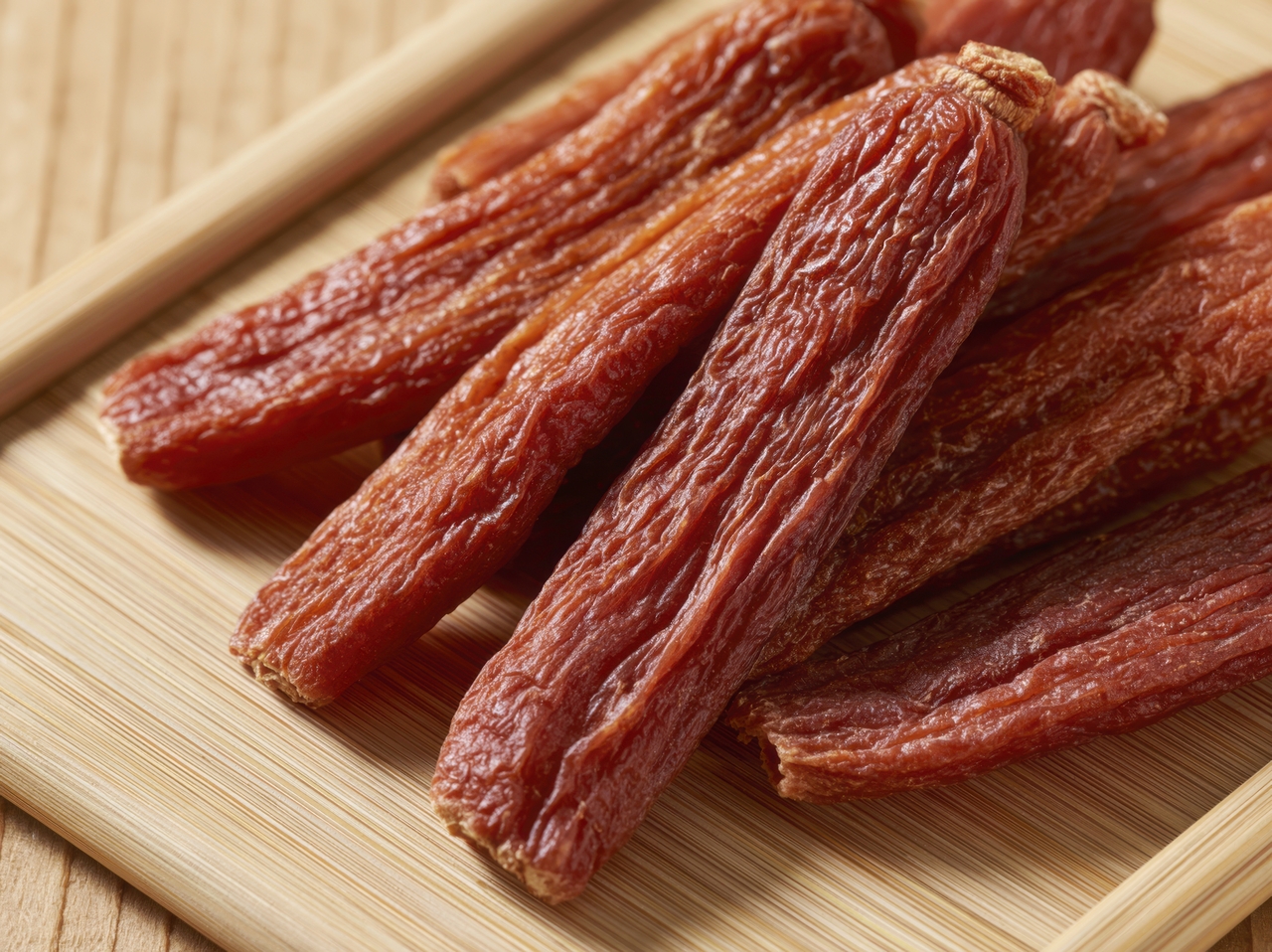
Starting deer antler velvet, red ginseng or any herbal medicine for the first time on Tuesday is also not recommended. Depending on a person's constitution and health, these may not agree with the body, and some products can cause gastrointestinal discomfort or allergic reactions. It is equally unwise to try a new health supplement based solely on advertising claims about improved concentration or memory — there is insufficient evidence that such products can boost exam performance within a day or two. Even for products already in regular use, sticking to the recommended dosage is important.
Coffee and energy drinks high in caffeine also warrant caution. Consuming more than usual in an attempt to stay alert and focused can backfire. Excessive caffeine intake can trigger heart palpitations, anxiety, headaches and insomnia. The Ministry of Food and Drug Safety recommends that adolescents consume no more than 2.5 milligrams of caffeine per kilogram of body weight per day. Caffeine is found not only in coffee but also in energy drinks, coffee milk and chocolate, so students who consume multiple products should keep track of their total intake.

Taking medication on one's own to ward off drowsiness on exam day is another risk. Some antihistamines found in cold and allergy medications can cause drowsiness and dizziness. Conversely, some cold medicines contain caffeine, and taking them alongside coffee or energy drinks can worsen palpitations or insomnia. When taking both cold medicine and pain relievers, students should check that the fever-reducing and analgesic ingredients do not overlap. Anyone already on medication should not stop or adjust the dosage without first consulting a doctor or pharmacist.
The same principle applies to food. On Tuesday, it is best to avoid anything that could upset a stomach already on edge from nerves or that might interfere with sleep.
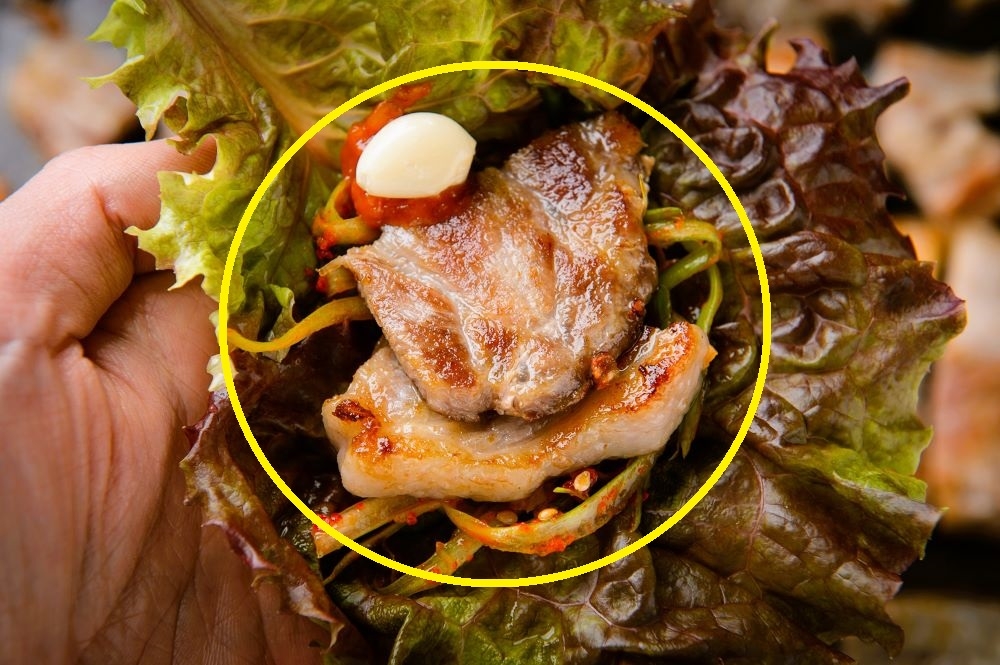
Greasy foods — fried chicken, pork cutlet and samgyeopsal among them — are the prime examples to avoid. High-fat foods take longer to digest and can cause bloating or heartburn in some people. Overeating late in the evening is particularly risky, as digestion may not be complete by bedtime, disrupting sleep.
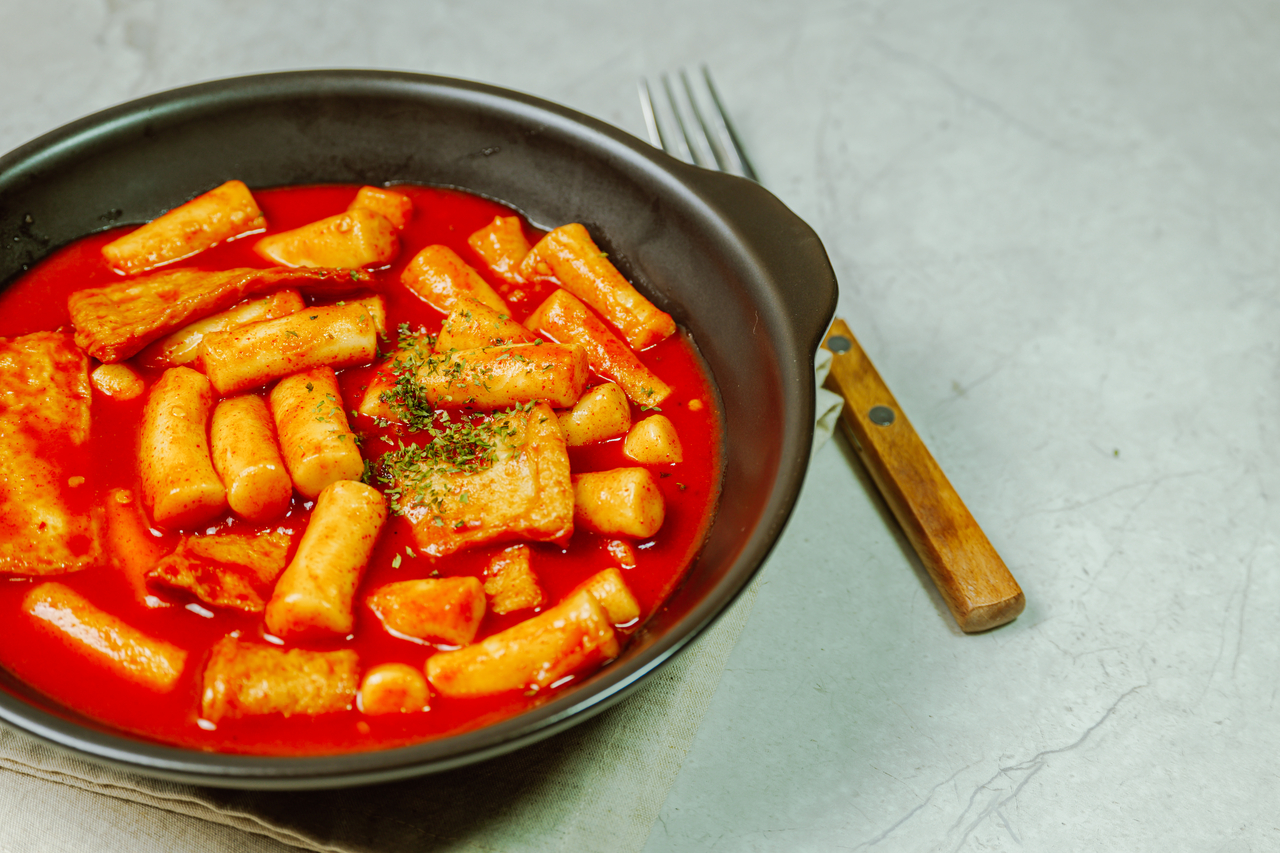
Spicy and heavily seasoned foods — tteokbokki, spicy instant noodles and fiery stews — should also be approached with care. Spicy food can worsen acid reflux and heartburn in some people. Students with sensitive stomachs or a history of stomach pain after eating spicy food should steer clear on Tuesday.
Raw foods such as sashimi, raw oysters and yukhoe are best avoided as well. Even with fresh ingredients, improper storage or handling can raise the risk of food poisoning. Stomach pain or diarrhea on Tuesday could seriously affect condition on exam day. Trying a new restaurant or an unfamiliar dish should also be off the table.

Dairy products such as milk and ice cream require care depending on individual digestive tolerance. People who have difficulty digesting lactose may experience bloating, gas or diarrhea after drinking milk. Students who have felt discomfort after consuming dairy would be better off choosing a different snack.
Cake, chocolate and sweet drinks should not be consumed in large quantities at once. Sugar itself does not lower exam scores, but overindulging can lead to overeating. Habitually consuming large amounts of sweet food and drinks late at night also does not help with sleep.
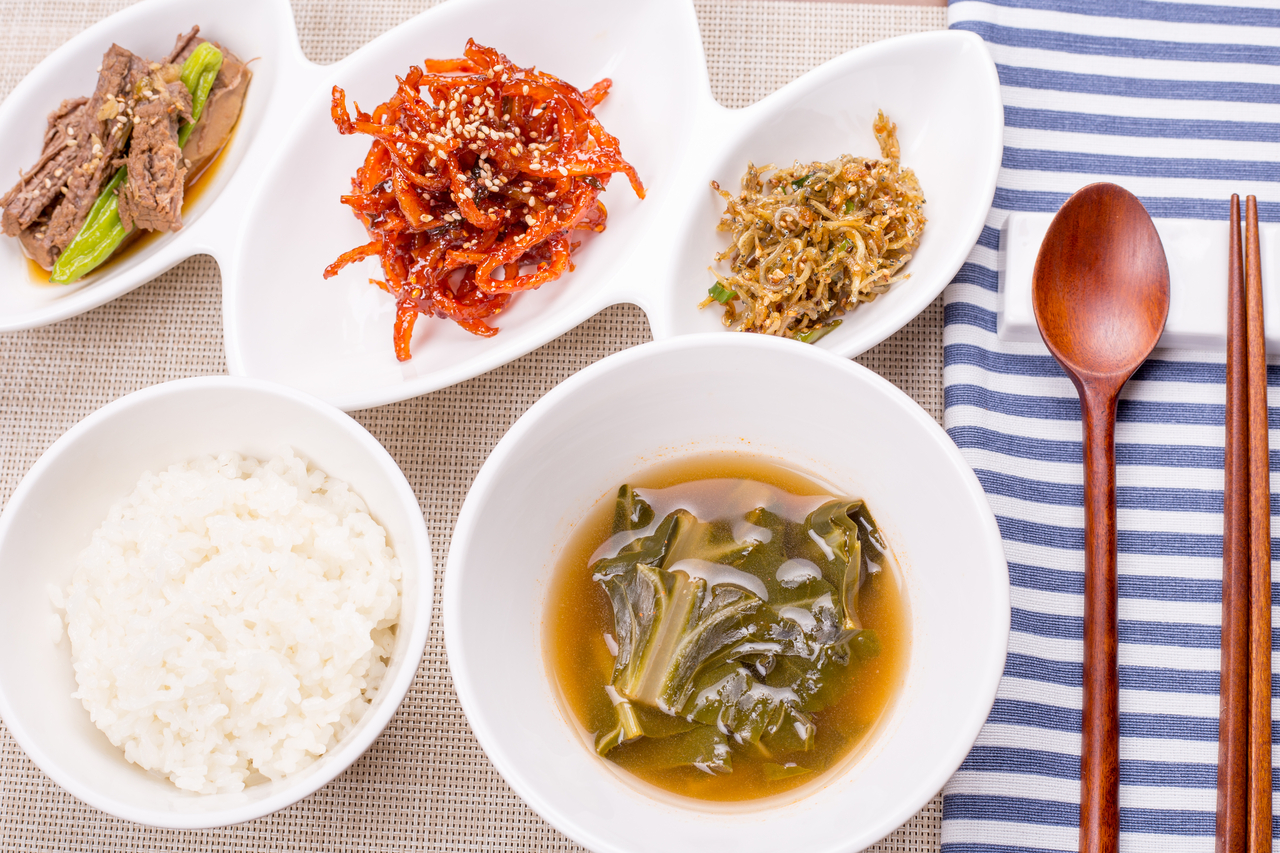
The best choice on Tuesday is familiar food — what students eat on a regular basis. A balanced meal of rice, soup, steamed egg, tofu and fish, eaten in moderate portions of whatever is easy to digest, is ideal. Soft foods like porridge are an option, but students who do not normally eat them have no reason to change their diet. Staying well hydrated is important, though drinking large amounts of water all at once should be avoided.
123@heraldcorp.com