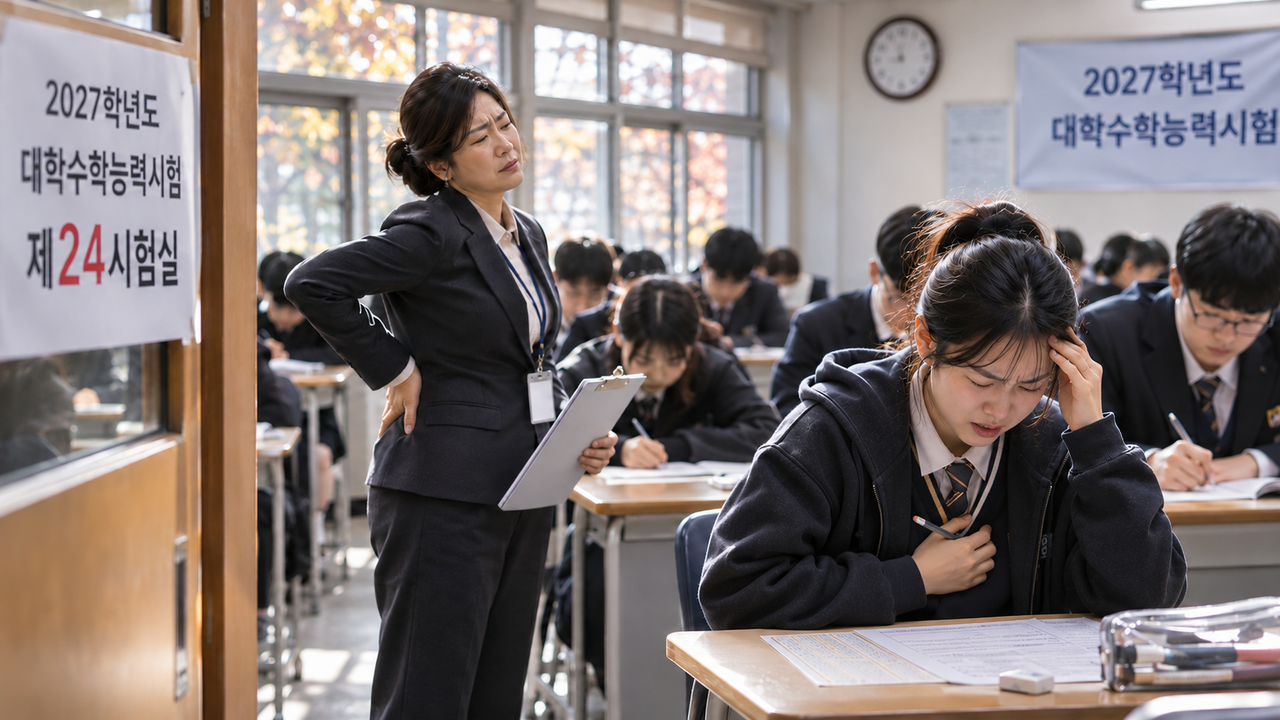
With the College Scholastic Ability Test set for Thursday, managing physical condition in the final stretch is critical for students hoping to perform at their best. Extreme nerves can easily trigger headaches and indigestion, and longstanding food superstitions — avoid seaweed soup, eat sticky rice cake — add yet another layer of anxiety to what students eat on exam day.
Test-takers are not the only ones bracing for a grueling day. Proctors must stand watch for hours, carefully minding even the sound of their footsteps to avoid breaking students' concentration. While students battle psychological tension, proctors accumulate physical fatigue. The stakes may differ, but for both groups, small habits can determine how well they hold up. Lee Jin-ho, director of Jaseng Korean Medicine Hospital, offered guidance on how each can protect their health on exam day.
Condition management is a skill in itself. Before a student even picks up the exam paper, the body can react first — a racing heart, sweaty palms, a sudden throbbing headache or stomach cramp.
Tension headaches are among the most common complaints. As anxiety and stress over the exam mount, the muscles around the neck, shoulders and scalp tighten and become more sensitive to pain, producing a sensation of pressure squeezing the head. The pain typically feels heavy on both sides or manifests as stiffness in the back of the neck. Students who slept poorly Tuesday night face a compounded risk, as sleep deprivation and fatigue can intensify the headache further.
When tension peaks, the digestive system can also falter. The brain and gut are closely linked through the autonomic nervous system and hormones, and intense exam-related stress can disrupt that connection — altering gastrointestinal motility or making the intestines hypersensitive. Even students who normally have no digestive issues may suddenly experience bloating, abdominal pain or diarrhea just before the test begins. In traditional Korean medicine, excessive tension is understood to obstruct the flow of qi and impair the function of the spleen and stomach, leading to indigestion.
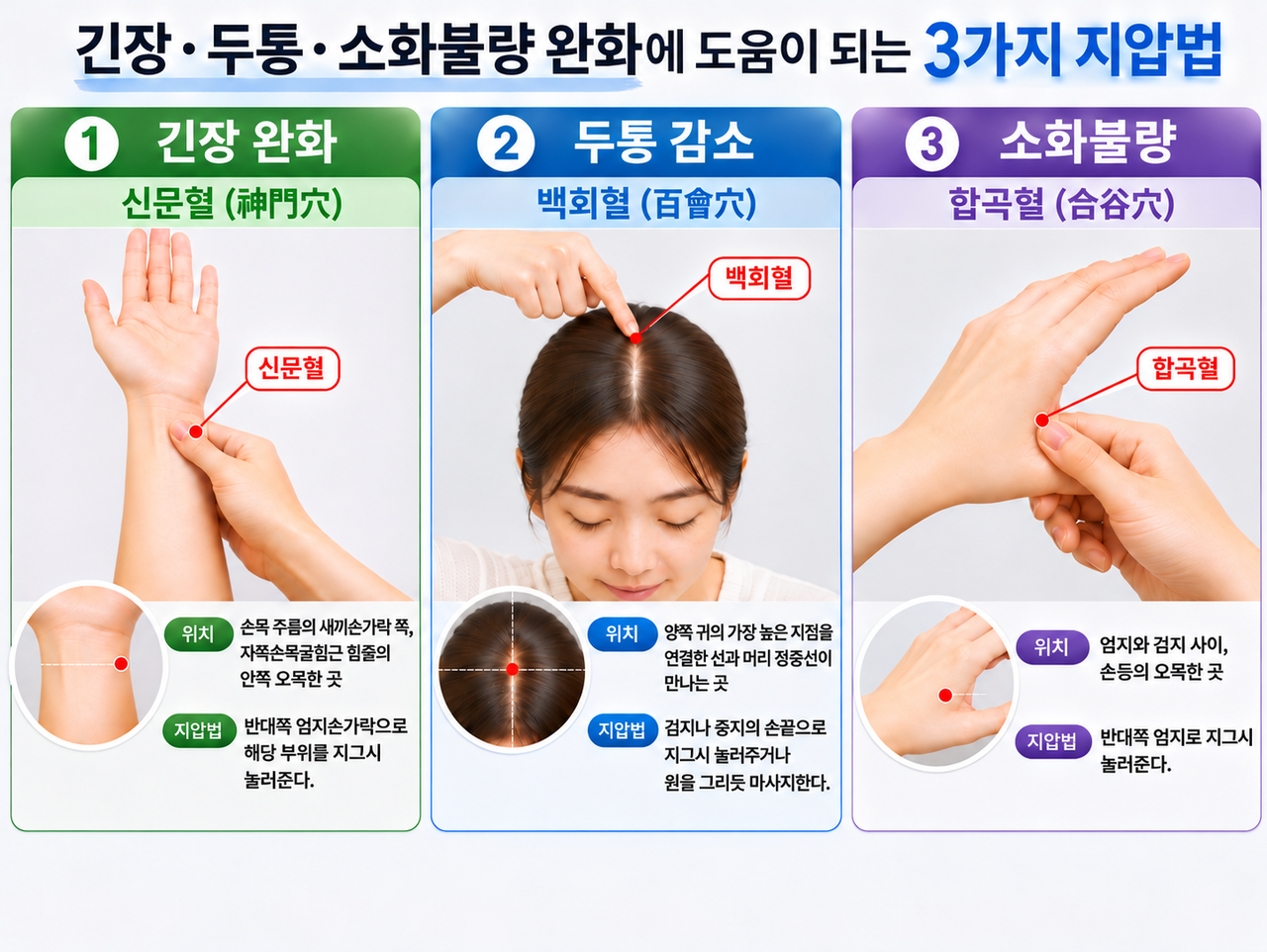
Simple acupressure techniques performed right at the exam desk may help. For severe tension and anxiety, pressing the "sinmun" point — located at the pinky-finger end of the wrist crease — is recommended. Using the opposite thumb, press firmly for three to five seconds, then release, and repeat five to ten times. Exhaling slowly while pressing can enhance the effect.
For headaches, the "baekhoe" point at the crown of the head is another option. It sits where the line connecting the tops of both ears meets the centerline running from the nose up over the head. Pressing gently with the tips of the index and middle fingers, or rubbing in small circles for about 30 seconds, can help clear the head.
For bloating or poor digestion, the "hapgok" point is worth trying. It is located on the back of the hand, slightly toward the fingertips from where the bones of the thumb and index finger meet. Grip the point from the back of the hand with the opposite thumb while supporting the palm side with the index finger, press firmly enough to feel a mild ache for five seconds, and repeat the motion several times.
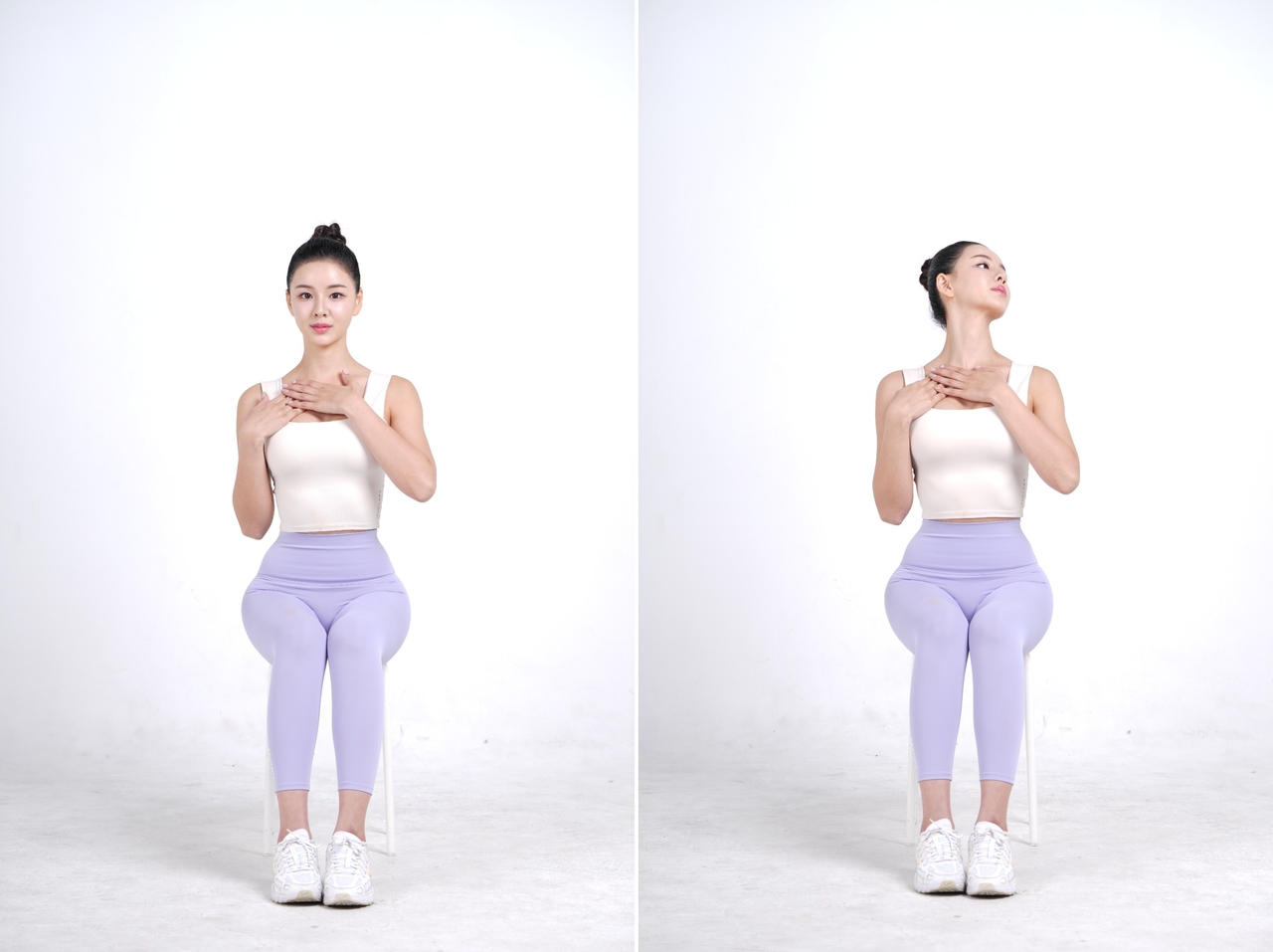
Stretching during breaks is also an effective way to loosen a neck and shoulders stiffened by tension. The scalene muscle release stretch can be done easily while seated. The scalene muscles run along both sides of the neck, extending from the cervical vertebrae down to the first and second ribs below the collarbone. They tend to knot up under stress or after long hours of hunching over books. This stretch helps relax the muscles around the neck to reduce stiffness in the neck and shoulders.
To perform it, place both hands overlapping on the right collarbone to hold it in place. Slowly exhale while turning the head to the left, then tilt the head back so the collarbone and chin move apart. Keeping the collarbone fixed, hold the position for 15 seconds while feeling the muscle release. Repeat three times, then do the same on the other side.
Students who tend to experience intense nerves during exams may consider taking Uhwangcheongsimwon, a traditional Korean herbal remedy that helps reduce heat, calm the mind and ease heart palpitations. Those who have already tried it during mock exams and confirmed it suits them can take it about an hour before the test. However, it may not agree with every constitution and can cause drowsiness in some people, so anyone who has never taken it before should not try it for the first time on exam day — sticking with one's normal routine is the safer choice.
What to eat on exam day is another variable that can affect condition, particularly given a stomach already sensitized by nerves. As the CSAT approaches, food superstitions inevitably resurface: seaweed soup is avoided for fear of "slipping" on the exam, while taffy and sticky rice cake are given as gifts symbolizing the hope of "sticking" to a passing score. These beliefs have hardened into tradition, but they deserve a closer look from a nutritional standpoint.
Seaweed is in fact a nutrient-rich ingredient, containing magnesium, iodine, iron and dietary fiber. Magnesium helps calm nerve excitability and ease muscle tension. Iodine and iron support the body's energy metabolism and reduce fatigue, while alginic acid — the soluble fiber that gives seaweed its slippery texture — helps prevent sharp spikes in blood sugar, supporting stable condition throughout the day.
Taffy and sticky rice cake, eaten in hopes of passing, can actually undermine condition if consumed in large amounts. Taffy is high in sugar, and eating too much at once can cause blood sugar to spike and crash, potentially triggering drowsiness during the exam. Glutinous rice, meanwhile, is highly sticky and can burden digestion if overeaten.
The recommended approach for an exam-day dosirak is to stick with familiar foods. A base of warm steamed rice, paired with light protein banchan — such as rolled egg, lean bulgogi, grilled fish or braised tofu — and cooked vegetables makes for a satisfying yet easy-to-digest meal. Carrying radish soup or a clear doenjang soup in a thermos is also a good idea. Overly greasy or spicy foods should be avoided, as they can strain digestion.
Physical strain on exam day is not limited to students. Proctors tasked with overseeing the test face their own long ordeal. Among teachers, proctor duty is widely regarded as one of the most dreaded assignments — they must monitor for cheating and manage students from start to finish, and even minor noise or movement can draw complaints.
Standing in the same posture for extended periods places considerable strain on the lower back. The erector spinae muscles along the spine hold it upright, but when the body stays still in one position, these muscles fatigue and lose their ability to properly support the spine, transferring the load directly to the spinal joints and discs. Proctors who already have herniated discs or spinal stenosis need to be particularly careful, as the accumulated strain can worsen their symptoms.
The legs are equally at risk. The calf muscles normally pump venous blood back toward the heart through repeated contraction and relaxation, but prolonged standing reduces this action and allows blood to pool in the lower limbs. This can cause swelling and heaviness in the legs and, over time, raise the risk of developing varicose veins.
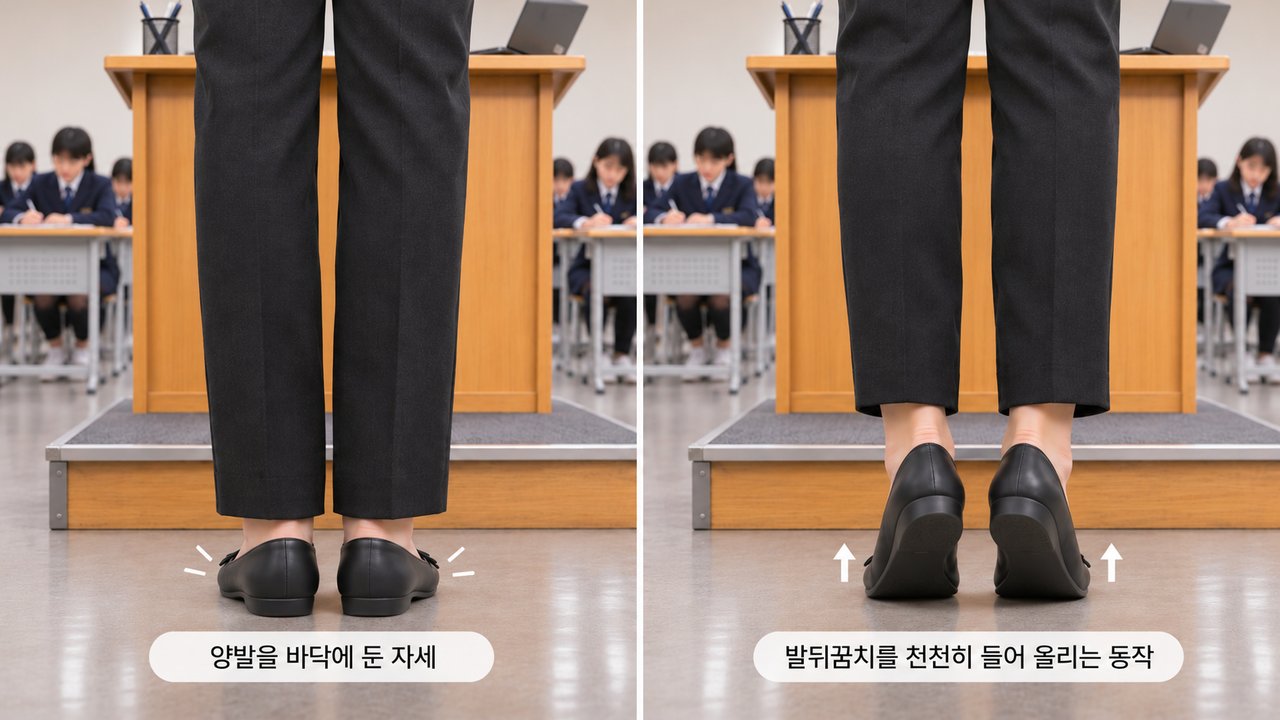
During proctoring, shifting positions periodically — within the bounds of not disturbing students — helps. Alternating weight between feet or slowly raising the heels can reduce strain on the lower back and calf muscles. During breaks, light walking or leg stretches are beneficial, and those who frequently experience leg swelling may find compression stockings helpful for improving circulation.
If lower back pain persists after proctoring duties end, seeking an accurate diagnosis and appropriate treatment is advisable. Treatment approaches vary depending on the cause and severity of the pain, but traditional Korean medicine addresses related conditions through integrated treatment combining acupuncture, pharmacopuncture and chuna manual therapy.
The effectiveness of integrated Korean medicine treatment for lower back pain has been validated through multiple studies. In a paper published by Jaseng Korean Medicine Hospital in the SCI(E)-indexed Journal of Clinical Medicine, integrated Korean medicine treatment produced greater pain relief than conventional drug treatment in patients with severe herniated lumbar discs. Specifically, the numeric rating scale score for pain — on a scale of 0 to 10 — fell from 6.25 before treatment to 2.45 after in the integrated Korean medicine group, compared with a more modest decline from 6.65 to 4.33 in the conventional drug treatment group.
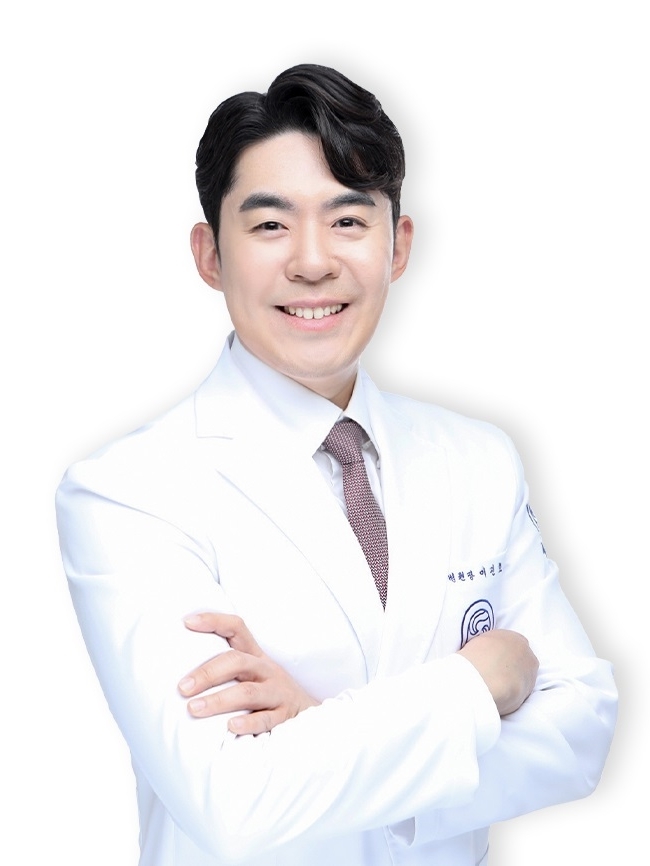
"The CSAT is a day when psychological tension concentrates on students and physical fatigue concentrates on proctors," Lee said. "Students should pay close attention to condition management by getting enough sleep and maintaining their usual lifestyle rhythm, and proctors who experience lingering back or leg pain after the exam should not brush it off but seek appropriate treatment."
kty@heraldcorp.com