Follow-up to polarization response TF; Thursday session to identify investment, jobs tasks
Aim to link corporate investment to youth employment and local settlement
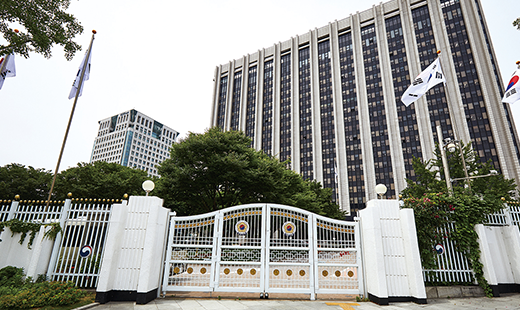
South Korea's Ministry of Land, Infrastructure and Transport and Ministry of Interior and Safety are moving to identify key tasks to narrow economic and lifestyle gaps between regions.
The two ministries will hold the first working-level meeting of the Regional Disparity Reduction Group Thursday afternoon in Seoul. The group was formed as a follow-up to the government's Polarization Response Direction — announced jointly by related ministries on Nov. 11 — and the first plenary meeting of the Polarization Response TF held Friday. The Land Ministry's first vice minister and the Interior Ministry's vice minister will serve as co-chairs.
The meeting will share the group's operational plan and discuss tasks aimed at boosting regional investment and employment while easing inconveniences in residents' daily lives. The ministries plan to identify ways to connect support projects that had previously been pursued separately by individual agencies, tailoring them to local conditions and demand so that corporate investment translates into youth employment and regional settlement, and so that the benefits of regional growth spread to local commercial districts and residents' overall quality of life.
The two ministries will review the on-the-ground demand and feasibility of proposals raised at the meeting to refine the core tasks. They will also gather input from local governments, businesses, experts and residents, and draw up role-sharing arrangements and implementation plans for each task.
Kim I-tak, first vice minister of the Land Ministry, said it is important to expand opportunities for growth so that each region's strengths and potential can translate into real investment and jobs. "We will work to create conditions where businesses and talent choose to come to the regions, and identify effective tasks that turn regional achievements into vitality for local commercial districts and improvements in residents' living conditions," Kim said.
Kim Min-jae, vice minister of the Interior Ministry, said reducing regional disparities is a core task in addressing polarization that is directly tied to people's lives. "We will pool the capabilities of related ministries to identify and develop concrete tasks that residents can feel in their daily lives," Kim said.
Meanwhile, the government announced its polarization response direction on Nov. 11 and established the Polarization Response TF, headed by the deputy prime minister for economic affairs. The TF plans to identify tasks to ease disparities across five areas — the labor market, industry, regions, generations and society — and incorporate them into the 2027 Economic Growth Strategy to be released at year's end.
hwshin@heraldcorp.com