235 parents rated the body odor of 367 children — 93.7% found babies' scent pleasant
Approval ratings for teenagers' smell dropped to the level of a spouse's
German and Polish researchers win this year's Ig Nobel Prize in olfaction
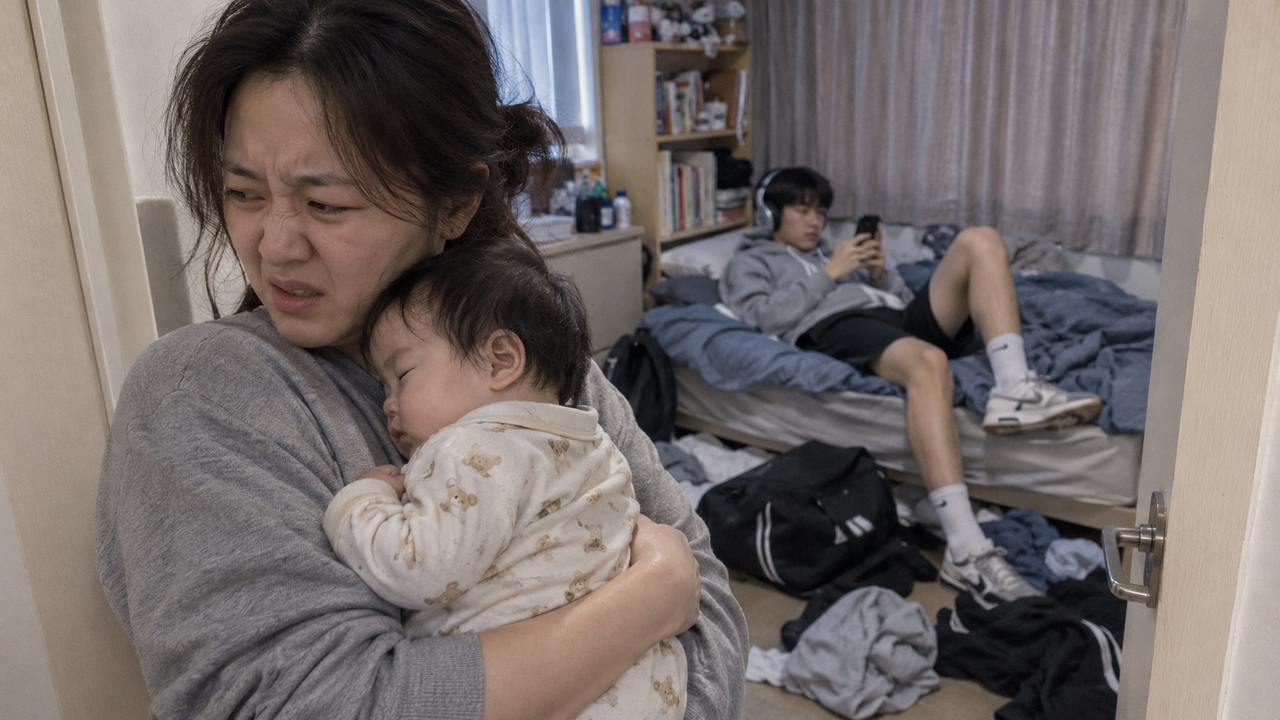
The top of a baby's head smells wonderful — so why does opening a teenager's bedroom door make you want to hold your nose? Research that dug into exactly that question has won this year's Ig Nobel Prize, the awards popularly known as the "quirky Nobel."
According to a press release from the University of Jena, four researchers — Ilona Croy, a professor at the University of Jena; Agnieszka Sorokowska and Tomasz Frackowiak of the University of Wrocław in Poland; and Thomas Hummel, a professor at Dresden University of Technology — received the Ig Nobel Prize in olfaction at the 36th Ig Nobel Prize ceremony in Zurich, Switzerland, on Sept. 3 (local time).
The Ig Nobel Prize is awarded by the American humor science magazine Annals of Improbable Research, which has since 1991 recognized research that "first makes people laugh, then makes them think."
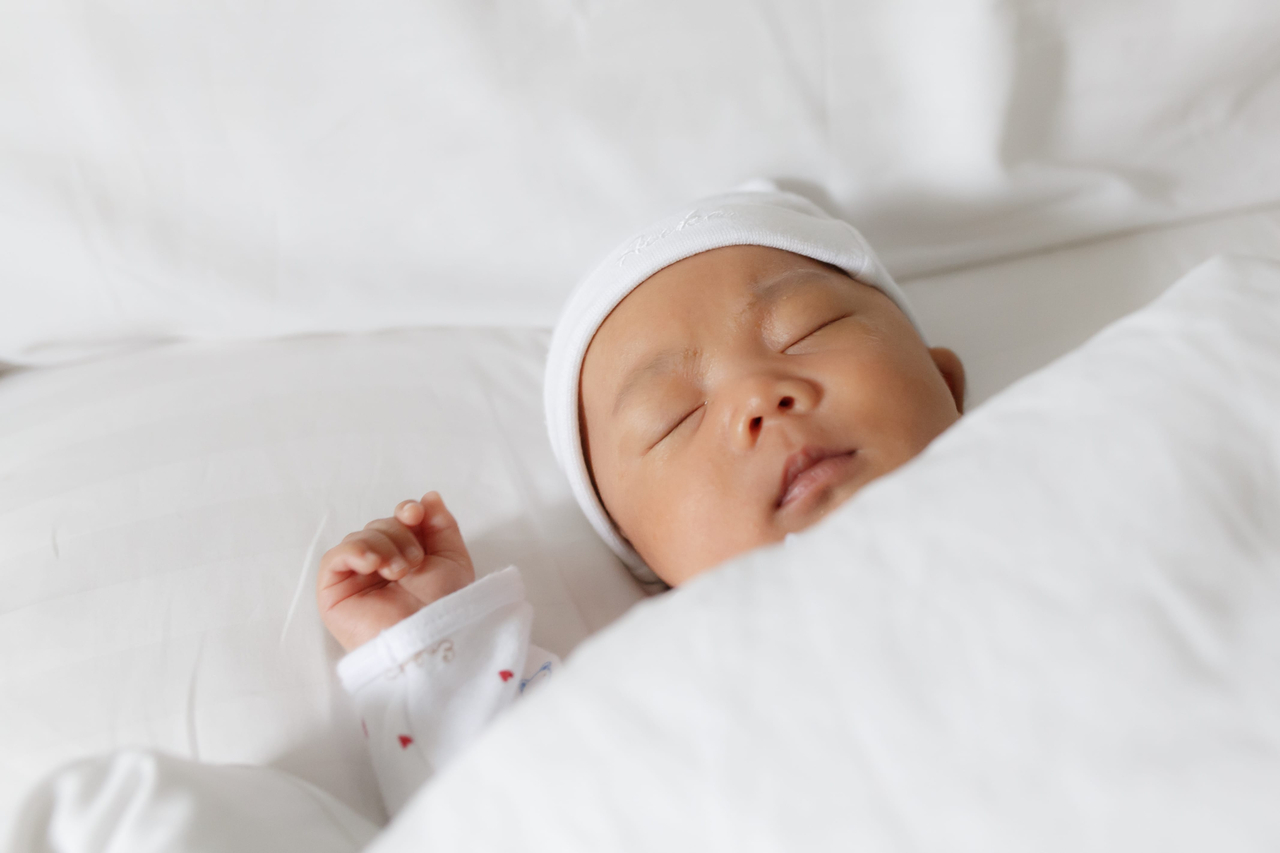
93.7% of parents like babies' smell — the number drops to 75% for teenagers
The prize-winning paper was published in 2017 in the international journal Chemosensory Perception under the title "Babies smell wonderful to their parents, teenagers do not."
According to the paper, the research team asked 235 Polish parents — 163 mothers and 72 fathers — to rate the body odor of 367 of their children, ranging in age from one month to 35 years. Parents scored how pleasant each child's smell was on a scale from 0 (very unpleasant) to 20 (very pleasant). For comparison, they also rated their spouse's scent.
The results showed that 93.7 percent of parents rated the smell of children under 4 as "pleasant" or "very pleasant." That figure fell to 83.8 percent for children aged 9 to 14 — around puberty — and dropped further to 75.2 percent for those older than 14.
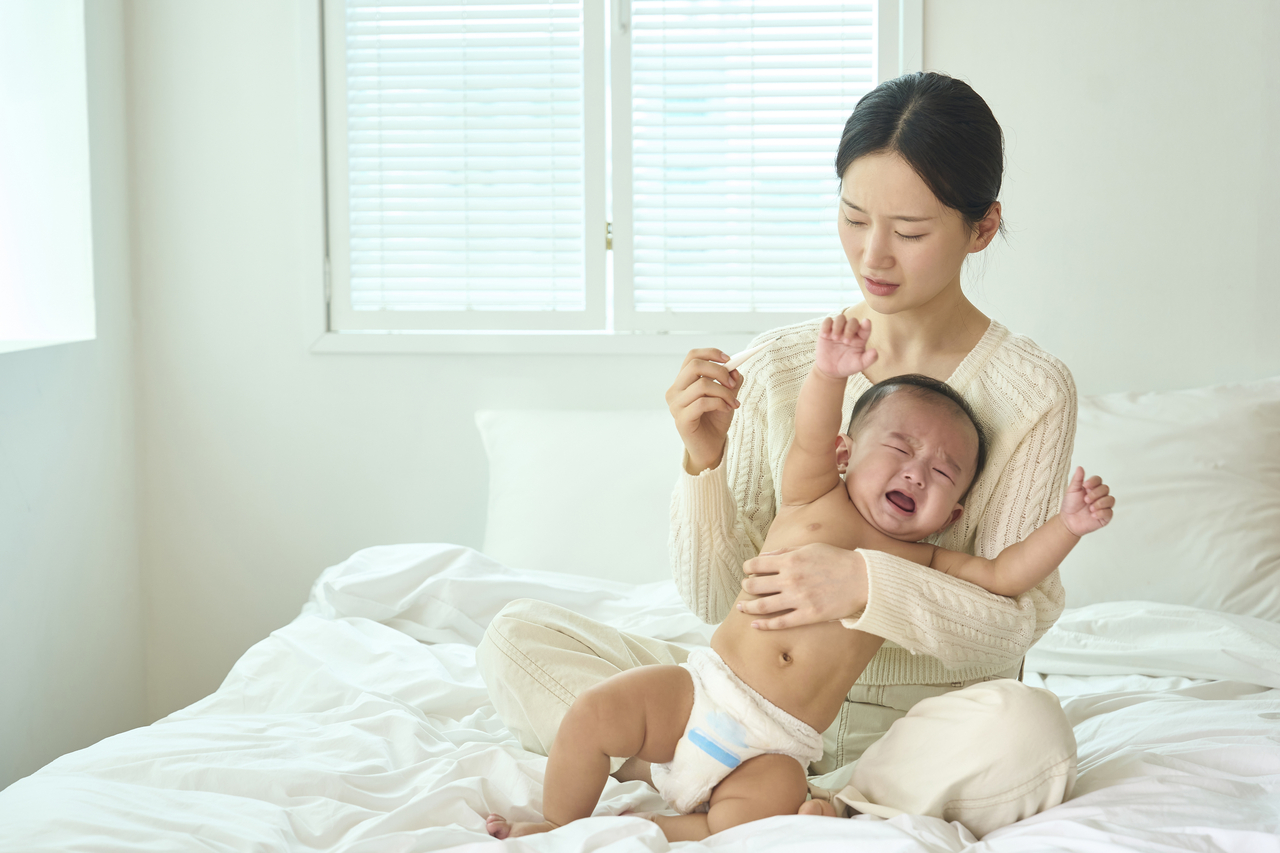
Some 76.7 percent of parents rated their spouse's smell as pleasant, meaning adult children's odor received roughly the same reception as a partner's.
There was no difference between mothers and fathers, nor between sons and daughters. Regardless of the parent's gender or the child's, scores fell equally as children grew older.
The research team wrote in the paper that "finding the body odor of young children pleasant may contribute to bonding and, by extension, caregiving," adding that "caregiving is less necessary after puberty than before."
The team interpreted the findings as suggesting that scent acts as a mechanism that keeps parents close to infants, one that loosens as children become more independent. They added that "as sex hormones increase around puberty, body odor may shift in a way that parents find less pleasant."
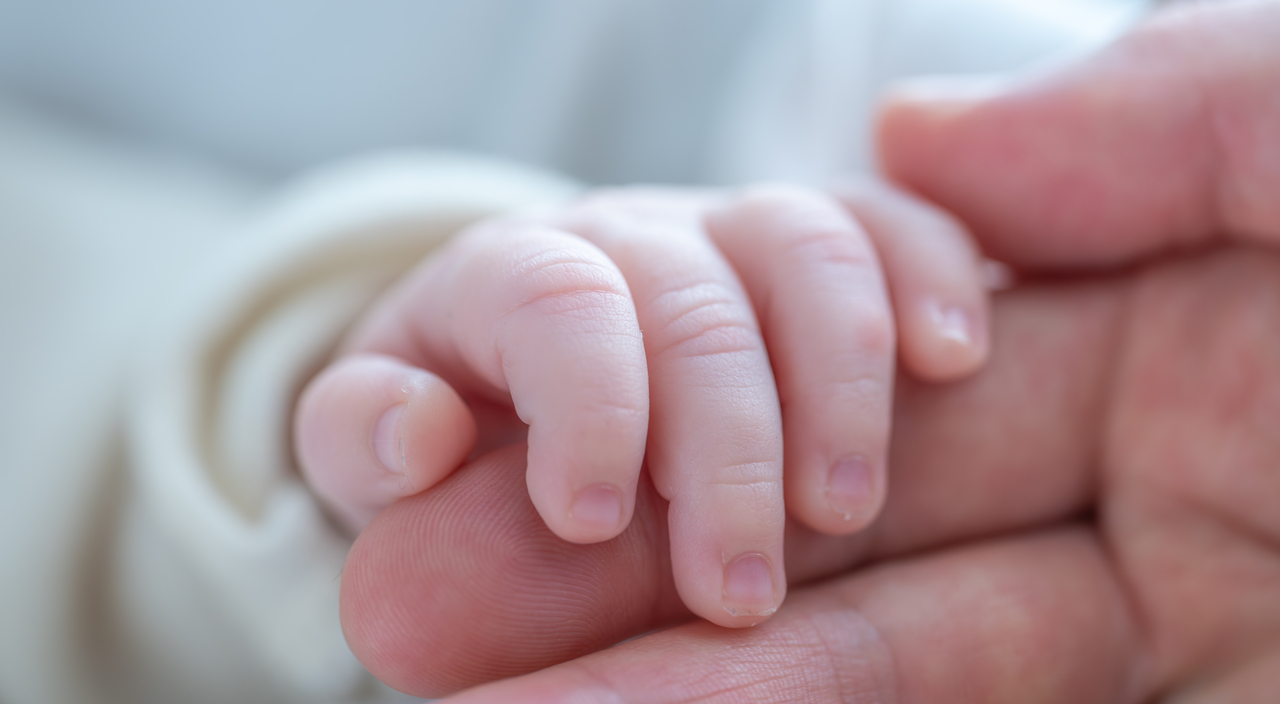
A baby's smell triggers a response in mothers' brains
The appeal of a baby's scent has also been confirmed at the neurological level. A research team that included Hummel, one of the Ig Nobel laureates, published related findings in 2013 in the international journal Frontiers in Psychology.
The team had 15 mothers who were three to six weeks postpartum and 15 women who had never given birth smell the undershirts worn overnight by two-day-old newborns, while functional magnetic resonance imaging (fMRI) scanned their brains.
Both groups showed activation in reward-related brain regions, including the caudate nucleus — an area that becomes active in response to pleasurable rewards such as eating good food or receiving praise. Mothers showed a stronger response than women who had never given birth.
However, the research team drew a line, noting that the results alone were not sufficient to conclude that a baby's scent creates the bond between mother and child.

The scent of teenagers: goat and musk
So what exactly makes a teenager's smell different? A research team led by Helene Loos, a professor at Friedrich-Alexander University Erlangen-Nürnberg in Germany — on which Croy served as a co-author — published an answer in 2024 in the international journal Communications Chemistry.
According to the American science outlet Science News, the team collected body odor samples from 18 infants aged 0 to 3 and 18 adolescents aged 14 to 18 by having them sleep overnight in cotton T-shirts. More than 40 chemical components were found in common between the two groups.
Adolescents' samples contained higher levels of carboxylic acids. Trained evaluators described some of those carboxylic acids as smelling of fruit, soap or grass, while others were characterized as smelling of cheese, mustiness or goat.

Two steroid compounds were found exclusively in adolescents' samples. One carried notes of sweat, urine and musk; the other smelled of musk and sandalwood.
These compounds are not released directly by the body but are produced when skin bacteria break down sweat and sebum in the armpits.
The American science outlet Live Science reported that these compounds appear to be secreted in greater quantities after puberty, and said the difference in scent could have some influence on the affection parents feel toward their children.
Loos told Science News that "body odor changes throughout development" and that "body odor contains a really diverse set of odorants."
References
DOI : 10.1007/s12078-017-9230-x
Croy I, Frackowiak T, Hummel T, Sorokowska A. Babies smell wonderful to their parents, teenagers do not: an exploratory questionnaire study on children's age and personal odor ratings in a Polish sample. Chemosens Percept. 2017;10(3):81-87.
DOI : 10.3389/fpsyg.2013.00597
Lundström JN, Mathe A, Schaal B, et al. Maternal status regulates cortical responses to the body odor of newborns. Front Psychol. 2013;4:597.
DOI : 10.1038/s42004-024-01131-4
Owsienko D, Goppelt L, Hierl K, Schäfer L, Croy I, Loos HM. Body odor samples from infants and post-pubertal children differ in their volatile profiles. Commun Chem. 2024;7:53.
dbsdn1110@heraldcorp.com