Related ministries and state research institutes to jointly identify policy tasks
Key measures to be finalized by year-end and reflected in growth strategy
Initiatives to be linked with 'Wage Defense TF' for tangible impact
The government has begun formal discussions on four core projects aimed at easing generational disparities — from economic independence for young people to employment and care support for the middle-aged, and stable retirement for the elderly. Related ministries and state-run research institutes will jointly assess current conditions and develop concrete policy measures.
The Ministry of Economy and Finance said Wednesday it held the first meeting of the generational gap subcommittee under the "Polarization Response Task Force," chaired by First Vice Minister Kwon Dae-young, with related ministries and state research institutes in attendance.
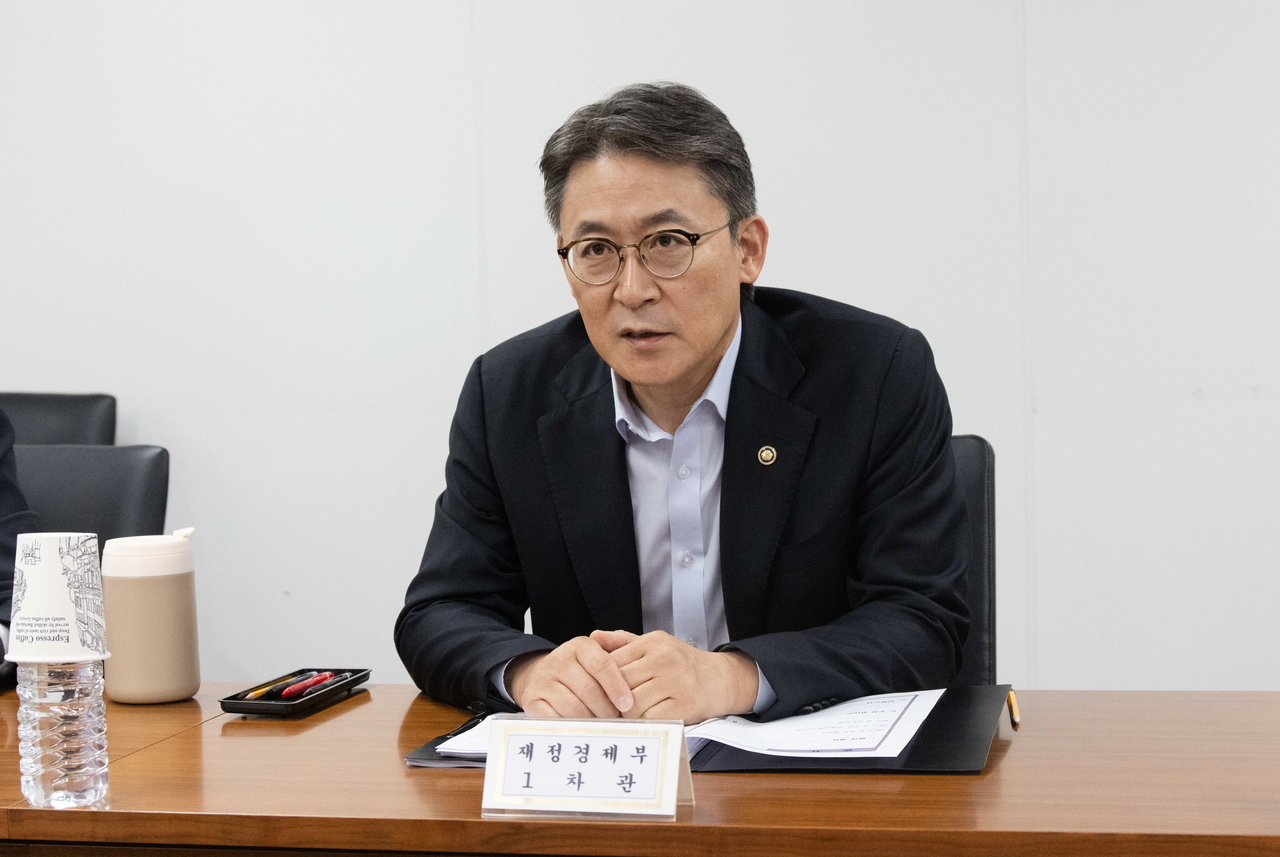
The generational gap subcommittee is led by Vice Minister Kwon and includes officials from the Ministry of Science and ICT, Ministry of Education, Ministry of Health and Welfare, Ministry of Employment and Labor, Ministry of Land, Infrastructure and Transport, Ministry of Planning and Budget, Office for Government Policy Coordination and Financial Services Commission, along with 10 researchers from state research institutes.
Wednesday's meeting covered four core projects: support for young people's economic independence in early adulthood, strengthening the safety net for middle-aged workers covering employment, care and retirement preparation, ensuring stable retirement and digital inclusion for the elderly, and exploring ways to foster intergenerational cooperation.
The government identified a range of generational hardships — young people struggling with employment and housing costs, middle-aged workers facing difficulties in re-employment and career transitions, and the elderly burdened by retirement expenses. Because these challenges span multiple areas including education, employment, housing and retirement — not just income and assets — the government concluded that a comprehensive response is needed.
Under each project, related ministries and state research institutes will work together to assess current conditions and develop policy measures that people can feel in their daily lives.
Starting this month through next month, the generational subcommittee will meet once a week, with key policy tasks to be finalized through consultations with the overarching committee and related ministries.
Major tasks developed by year-end and the direction for next year will be incorporated into the "2027 Economic Growth Strategy." The government plans to continue operating the TF and its working subcommittees next year to identify additional tasks, improve relevant systems and monitor the implementation of key measures.
Earlier, the government announced its "Polarization Response Direction" at an emergency economic ministers' meeting on Nov. 11 and formed the Polarization Response TF, headed by the deputy prime minister for economic affairs. Five working subcommittees have since been launched covering labor market dual-structure reform, industrial and corporate gap reduction, regional disparity, generational gap and social disparity.
"The generational subcommittee is one of the five working groups under the Polarization Response TF," Kwon said. "It serves as a pillar that comprehensively examines how structural disparities in the labor market, industry and regions affect people across their entire lives — from youth to middle age to old age."
"We will work closely with related initiatives such as the 'Wage Defense TF,' which operates to ease the cost-of-living burden on workers and boost real incomes," Kwon added, "and will identify policy tasks that allow each generation to feel real change in their daily lives, translating them into concrete results."
y2k@heraldcorp.com