Korea-China FTA follow-up talks concluded
China pledges most-favored-nation treatment for films, games
Non-discrimination principle to apply to content pre-screening
Korean travel agencies to recruit tourists directly in 23 Chinese regions
Deal expected to ease low-cost dumping tour structure
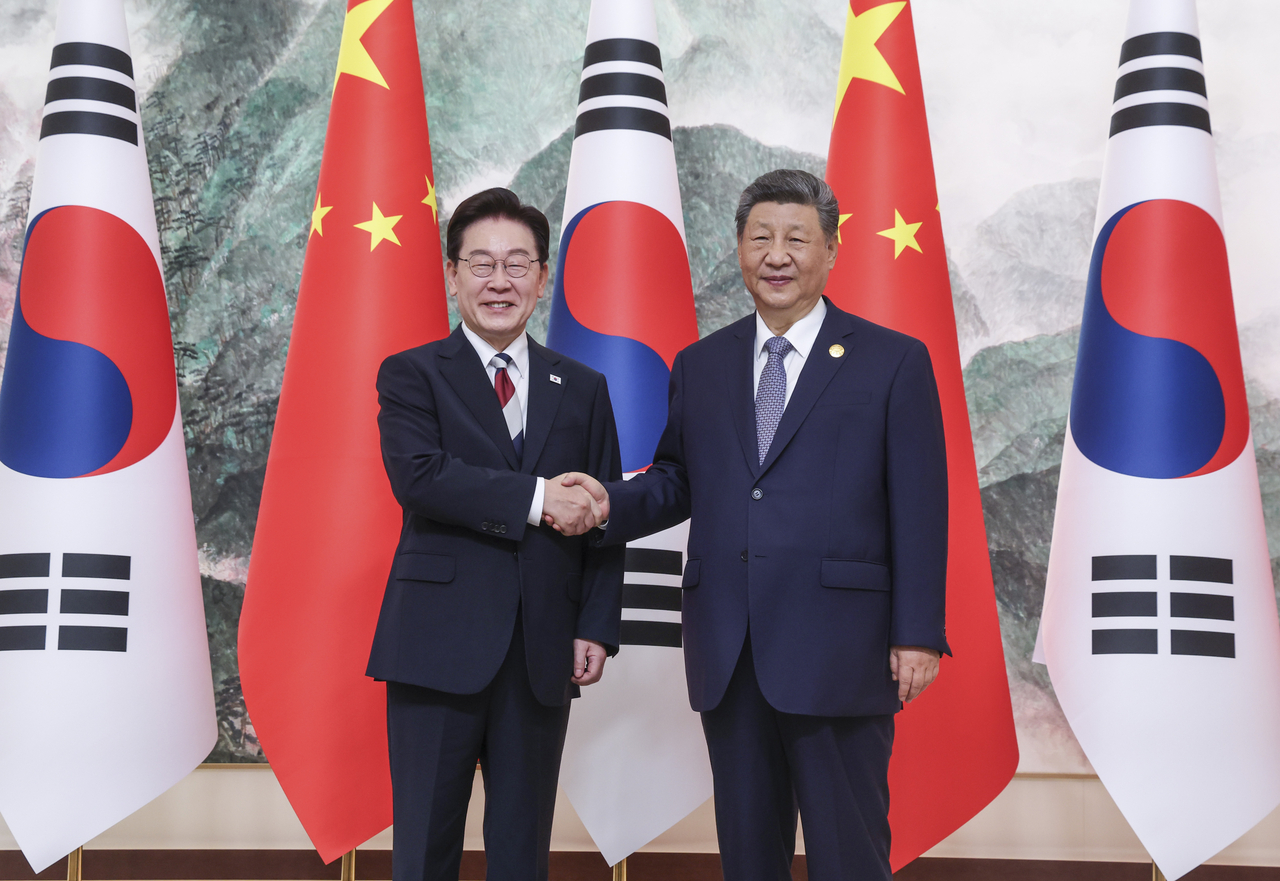
A follow-up agreement to the Korea-China Free Trade Agreement will apply a non-discrimination principle to pre-screening of films and online games, and allow Korean travel agencies established in 23 Chinese regions to sell outbound travel packages directly to local residents. Once the deal takes effect, it is expected to improve conditions for Korean content to enter the Chinese market and mark a turning point in developing a premium inbound tourism market — breaking away from the existing structure that relied on Chinese travel agencies for tourist recruitment.
Removing hallyu barriers, opening tourism access across 23 Chinese regions
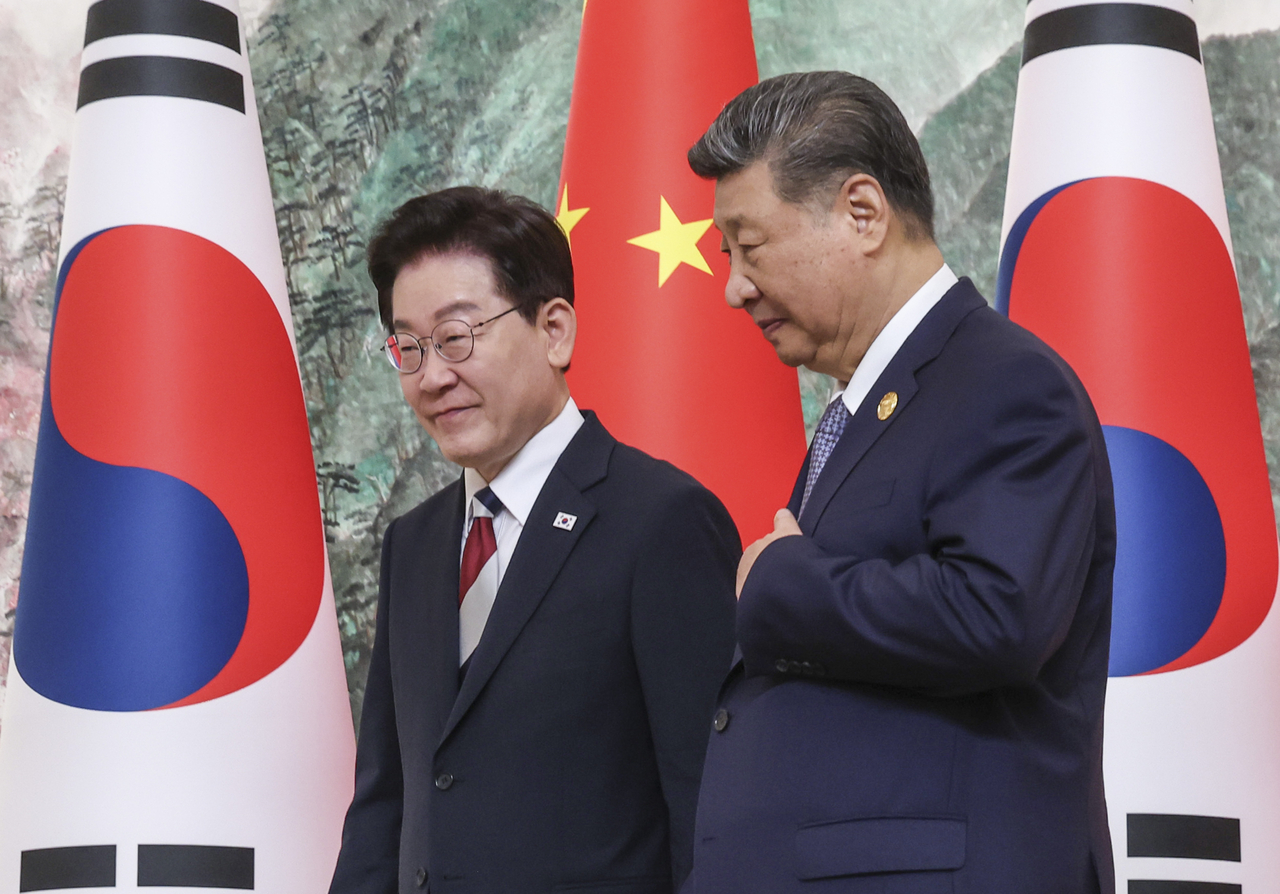
South Korea's Ministry of Trade, Industry and Energy announced Wednesday that the two countries declared a substantive conclusion to the Korea-China FTA services and investment follow-up negotiations on the sidelines of the Asia-Pacific Economic Cooperation summit.
Under the agreement, China committed to most-favored-nation treatment for sectors including film and games, guaranteeing treatment no less favorable than that given to any third country. A non-discrimination principle will also apply to pre-screening of content such as online games and films — the first time China has included such provisions in a trade agreement. The two sides also agreed on an annex for co-production of audiovisual programs, expanding the scope of eligible co-productions beyond films to include drama series, animation, entertainment programs and documentaries.
On tourism, the agreement enshrines a commitment allowing Korean travel agencies established in 23 Chinese regions to operate outbound tourism businesses — arranging overseas travel for Chinese residents and foreigners living locally. The designated areas include 11 pilot zones such as Beijing, Shanghai, Chongqing and Hainan, as well as free trade zones in 12 regions including Guangdong, Henan, Hubei and Sichuan.
The deal is expected to give Korean travel agencies a legal basis to recruit tourists and sell travel products directly in China. The Ministry of Trade, Industry and Energy said Korean agencies would be able to develop tourism products tied to K-pop, beauty and food, or tailored to the distinctive character of different domestic regions, opening new revenue streams and potentially expanding their business scope by linking with travel to third countries such as Japan and Southeast Asia.
Will rock-bottom dumping tours and shopping-circuit packages disappear?

Korean travel agencies operating in China have long been unable to sell overseas travel packages directly to local residents. China's Travel Agency Regulations in principle prohibit foreign-owned agencies from handling outbound travel for mainland Chinese residents or trips to Hong Kong, Macao and Taiwan. The measure is widely interpreted as protecting the domestic travel industry while allowing the government to control the number of outbound travelers and their destinations through designated agencies, curbing foreign currency outflows and illegal stays abroad.
As a result, Korean agencies were confined to the role of ground operators, receiving tourists recruited at low cost by Chinese agencies and handling only the in-country itinerary. Chronically insufficient ground fees — covering meals, transportation and accommodation — left them with little choice but to make up the shortfall through shopping commissions, trapping the industry in a low-cost dumping structure.
"The reason ultra-cheap travel packages stuffed with jjimjilbang stays and excessive shopping stops became so widespread was that agencies depended on group tourists handed over by Chinese counterparts with no profit margin built in," a travel industry official said. "If Korean agencies can recruit inbound visitors directly without going through Chinese agencies, the distorted model of plugging deficits with shopping commissions could disappear."
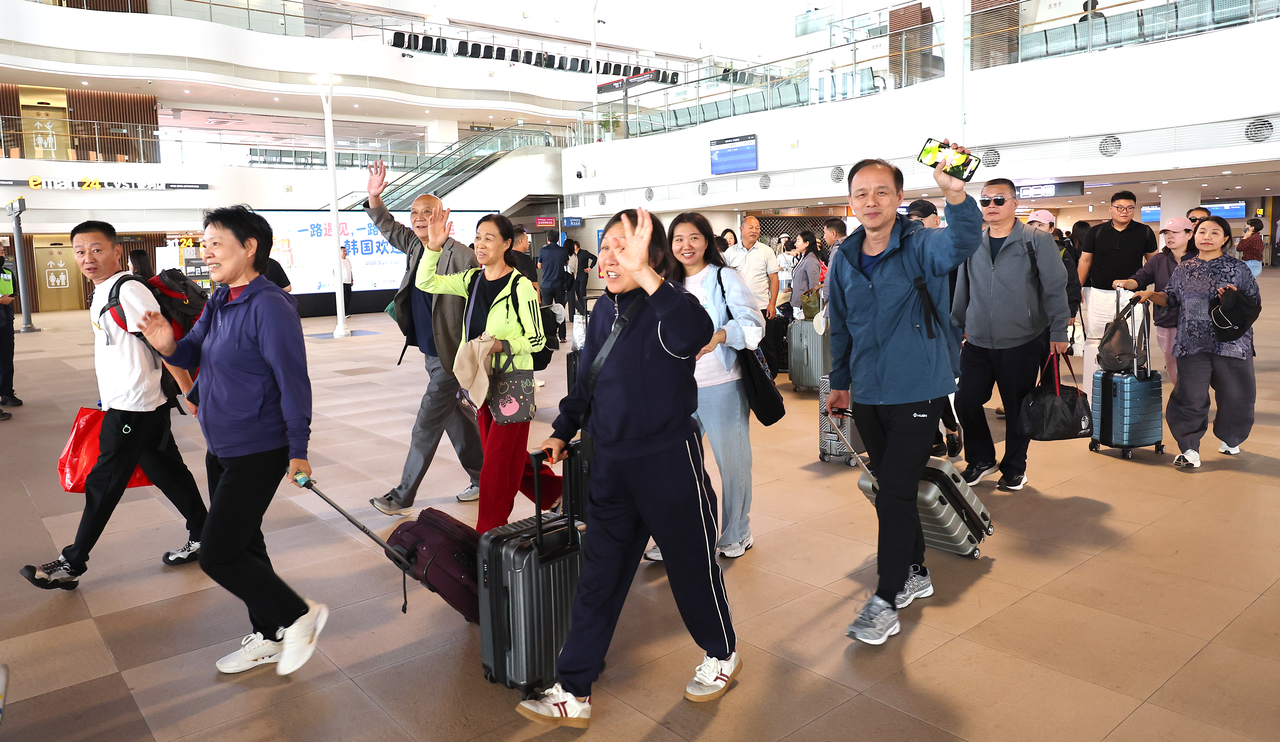
The agreement is also expected to accelerate a shift toward higher-value inbound tourism products. Korean agencies selling packages directly in China would face lower referral commission burdens, creating more room to build revenue models based on standard pricing. Smaller operators focused purely on booking arrangements are likely to find their footing narrowed, while the market is expected to consolidate around specialized business-to-business firms with strong planning and on-the-ground capabilities in areas such as MICE (meetings, incentives, conferences and exhibitions), medical and wellness tourism, and special-interest travel.
Because the follow-up agreement combines commitments on opening the tourism market with improved conditions for Korean content to enter China, the development of higher-value composite products also looks feasible. Future inbound packages could diversify well beyond Seoul and Jeju duty-free shopping, branching into K-pop concert and fan meeting tours, K-beauty and medical tourism, food and sports themes, and individual Free Independent Travel products targeting travelers in their 20s and 30s.
The opening of the content sector ties directly into plans for experiential tourism. As conditions improve for films and games to enter China and the scope of eligible audiovisual co-productions widens, it will become easier to develop extended-stay products built around location tours and filming sites for co-produced entertainment programs and documentaries.
However, no date has been set for the agreement to take effect. The two countries must still complete legal reviews, formal signing and ratification procedures. The Ministry of Trade, Industry and Energy said it plans to proceed with legal review to finalize the agreement text with China and to push forward swiftly with subsequent steps toward formal signing and entry into force.
terry@heraldcorp.com