The 'Gupo Osoni kidnapping case'
Slaughterer's 'repentance' broadcast reignites controversy over glorification
Guardian who protested loses damages suit filed against them
A television broadcast in November 2024 sparked controversy after it appeared to glorify a dog slaughterer — a man who had killed dogs for meat for 35 years and was now, he said, running a pet grooming shop in a spirit of repentance.
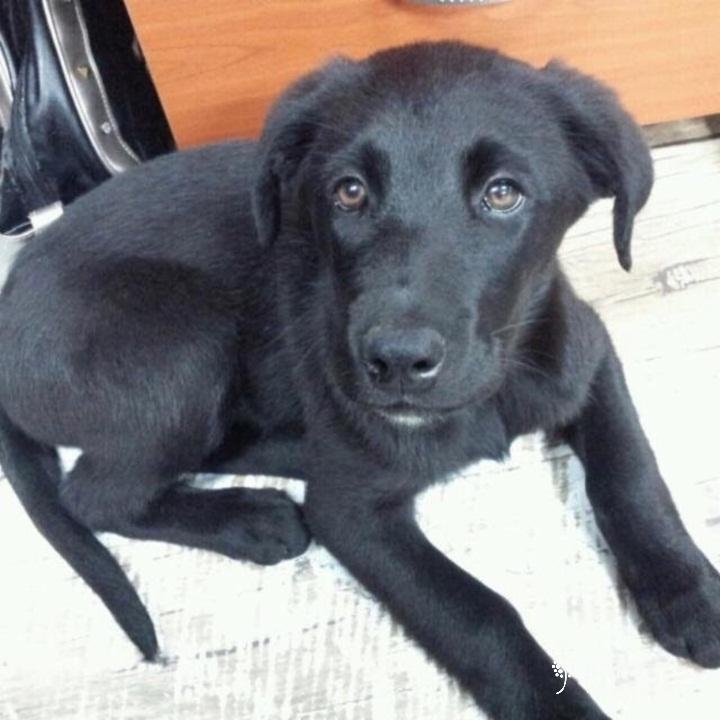
The backlash intensified when it emerged that the operator was connected to the "Gupo Osoni kidnapping case." Osoni, a pet dog, had been stolen by a thief in 2017, sold off and ultimately killed by the very slaughterer featured in the broadcast.
After protests from Osoni's guardian and animal rights groups, the broadcast was taken down. It has since emerged that Osoni's guardian was hit with a damages lawsuit filed by the slaughterer's own family. The family of slaughterer A claimed the guardian's protests amounted to stalking, defamation and intimidation, and that the family had suffered severe emotional distress as a result.
Kidnapper sentenced to 6 months, suspended for 2 years
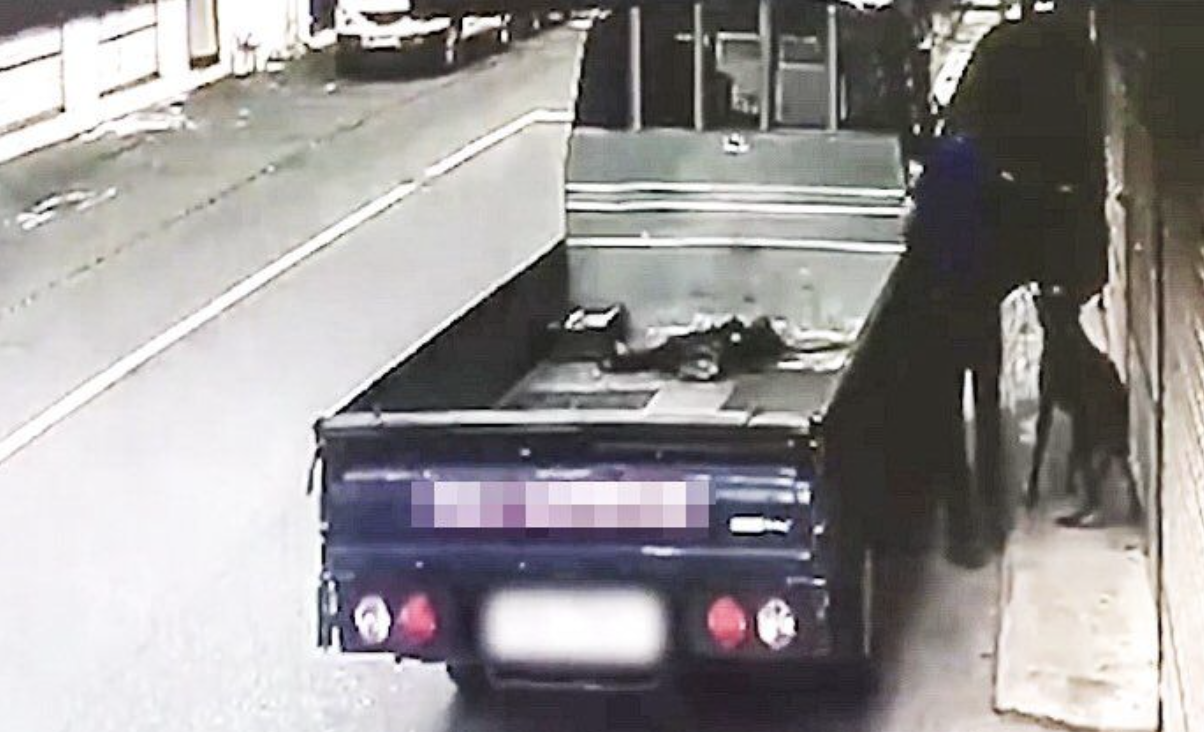
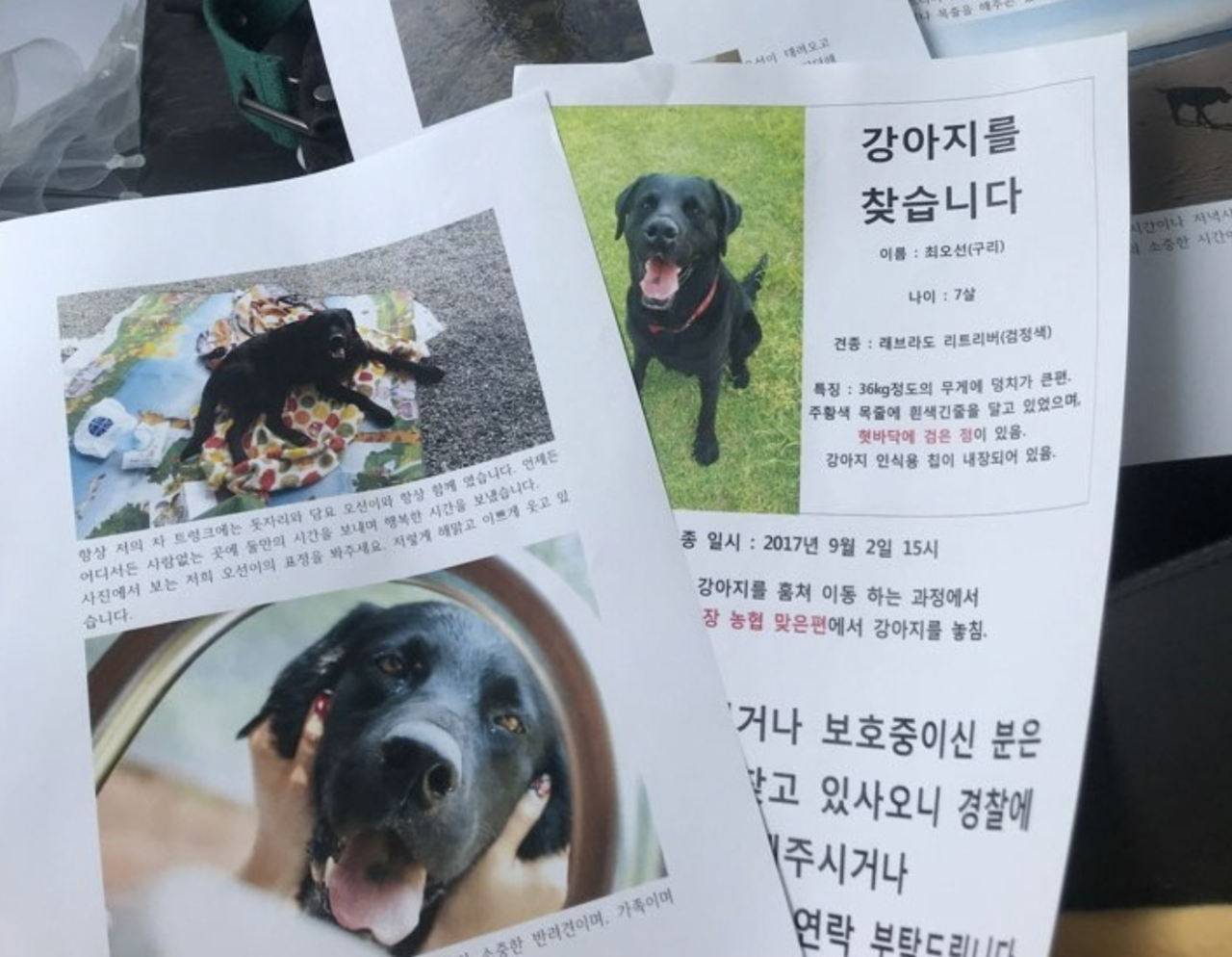
The story begins in September 2017, when Osoni went missing on a street in Busan and was kidnapped. The thief, after being caught by police, claimed the dog had run away — a lie. Osoni's guardian distributed flyers searching for the dog, but to no avail. The kidnapper had already sold Osoni to a slaughterer for 40,000 won ($30).
The kidnapper was sentenced in May 2018 to six months in prison, suspended for two years. Slaughterer A was not indicted on charges related to the kidnapping, as investigators determined it had been the kidnapper's act alone.
Broadcast portrays slaughterer's 'repentance,' draws criticism for glorification
The case resurfaced in November 2024 when KBS's "Animals Are Incredible" featured slaughterer A. Following redevelopment of the Gupo market area in Busan around 2020, A had opened a pet grooming shop. On the program, A said: "I am running this grooming shop as an act of repentance for 35 years of slaughtering dogs for meat."
The broadcast drew immediate criticism for appearing to rehabilitate A's image, and KBS deleted the video. Three months later, the broadcaster issued an apology, saying it had removed the footage after learning that the guardian of the kidnapped dog "is still suffering emotionally," and expressing regret.
On the day of the broadcast, Osoni's guardian went to A's shop to protest in person — and that visit became the basis for a lawsuit against the guardian. A's family claimed they had been subjected to stalking and intimidation.
Guardian visits slaughterer to protest on broadcast day, then faces lawsuit
Investigators found that Osoni's guardian had filmed the interior of A's shop and called A's family on Nov. 2 and 3. After A asked the guardian to stop calling, the guardian sent a text message saying, "You'll want to talk to me." The guardian also sent a KakaoTalk message to A's daughter reading: "All I wanted was a sincere apology, but your family has ignored me to the end."
The guardian also posted on social media: "My heart is still torn apart and I feel like I'm going crazy, yet you appeared on television to promote your business without a single word of apology to me. Please help me bring this to public attention." Investigators reviewed the post as part of their probe.
Guardian cleared of intimidation; court finds no liability for damages

A filed a criminal complaint against Osoni's guardian on charges of intimidation. Police declined to refer the case to prosecutors, citing insufficient evidence.
A's family also filed a civil damages suit against the guardian, seeking about 30 million won. They alleged the guardian had repeatedly contacted them by phone and text message, entered the shop and engaged in stalking, damaged the shop's reputation through defamation, caused social harm, made threats and inflicted severe emotional distress.
The court rejected A's claims entirely.
Judge Lee Jeong-hun of the Seoul Western District Court's Civil Division 6 dismissed A's suit on Oct. 13, also ordering A's side to bear the legal costs.
The court found that once A's family had appeared on a public broadcast and announced they were running the shop in a spirit of repentance, "they could reasonably expect to face criticism from those with negative views," and that "it was entirely foreseeable that the guardian, who suffered direct harm, would protest."
The court further ruled that the guardian's social media posts amounted to "a truthful statement of fact — that A appeared on television without apologizing and used the broadcast to promote the shop." Even the use of the phrase "a person like trash," the court said, was difficult to find unlawful given the circumstances that led to it.
The court also held that the guardian's brief visit to the shop to take photographs "caused no meaningful disruption to business," and that the visit's purpose, manner and duration made it difficult to find unlawful conduct.
The court concluded that the guardian's calls and text messages, sent in the immediate aftermath of the broadcast, were likewise difficult to find unlawful given their context and manner.
The ruling was finalized on Oct. 29, after A's side chose not to appeal.
notstrong@heraldcorp.com