Firm leverages integrated API and finished-dose production under one entity, pursuing co-promotion and sales partnerships after securing its own product approvals
YS Life Sciences, which spent 25 years building its core competency in active pharmaceutical ingredient production before recently entering the finished-dose drug business, is now expanding its business model into what it calls a "Total CDMO" — one that encompasses not only manufacturing but also securing its own product marketing authorizations.
The strategy is designed to maximize the benefits of the government's drug pricing reform, which strengthens reimbursement for finished-dose drugs produced by the same entity that manufactures the API. YS Life Sciences plans to leverage its existing advantage — having already built both API and finished-dose production infrastructure within a single legal entity — to establish co-promotion and sales partnership models with domestic pharmaceutical companies.

"The model we are considering is not simple CMO work," said CEO Oh Chang-young of YS Life Sciences. "It is a Total CDMO structure in which YS Life Sciences holds the authorization — from API through finished-dose production and all the way to the product license. We are reviewing ways to collaborate with partners that have strong sales and retail capabilities, either through co-promotion or sales partnership arrangements."
Under the revised drug pricing regime, the API manufacturer and the marketing authorization holder for the finished-dose product must be the same entity to qualify for the pricing premium tied to domestic API production. A conventional CMO arrangement — in which YS Life Sciences manufactures both the API and the finished dose while a partner holds the product license — would leave the two entities separate, making it difficult to meet the qualification requirements.
To address this, the company plans to protect partners' commercial interests through contractual arrangements that guarantee sales and marketing rights, ensuring partners can continue their sales operations on a stable basis even when YS Life Sciences holds the product authorization.
On the product side, the company is anchoring its expansion on ophthalmic prostaglandin derivatives, where it has established competitive strength, while broadening its API portfolio to include vitamin D3 derivatives and other compounds requiring advanced synthesis technology. It is also expanding into APIs related to drug pipeline candidates in pulmonary arterial hypertension, diabetes, gastrointestinal disease, hyperlipidemia, urological conditions and ophthalmic disease.
However, the company does not intend to limit itself to specific treatment areas. Its plan is to keep partnership opportunities broadly open across any therapeutic field, as long as it holds the API synthesis technology and the drug qualifies for the pricing premium.
Separately from the domestic partnership model driven by the pricing reform, the company also plans to continue expanding overseas through a combination of API exports and technology licensing. It has prior experience in this area, having obtained European government conformity certification for its self-produced latanoprost API and entering 12 European markets through a German CMO for finished-dose production.
"YS Life Sciences is one of the few companies capable of covering the full chain from API to finished dose," Oh said. "Rather than simply being a beneficiary of this reform, our goal is to become a partner that works with pharmaceutical companies lacking API development capabilities to expand the domestic API ecosystem."
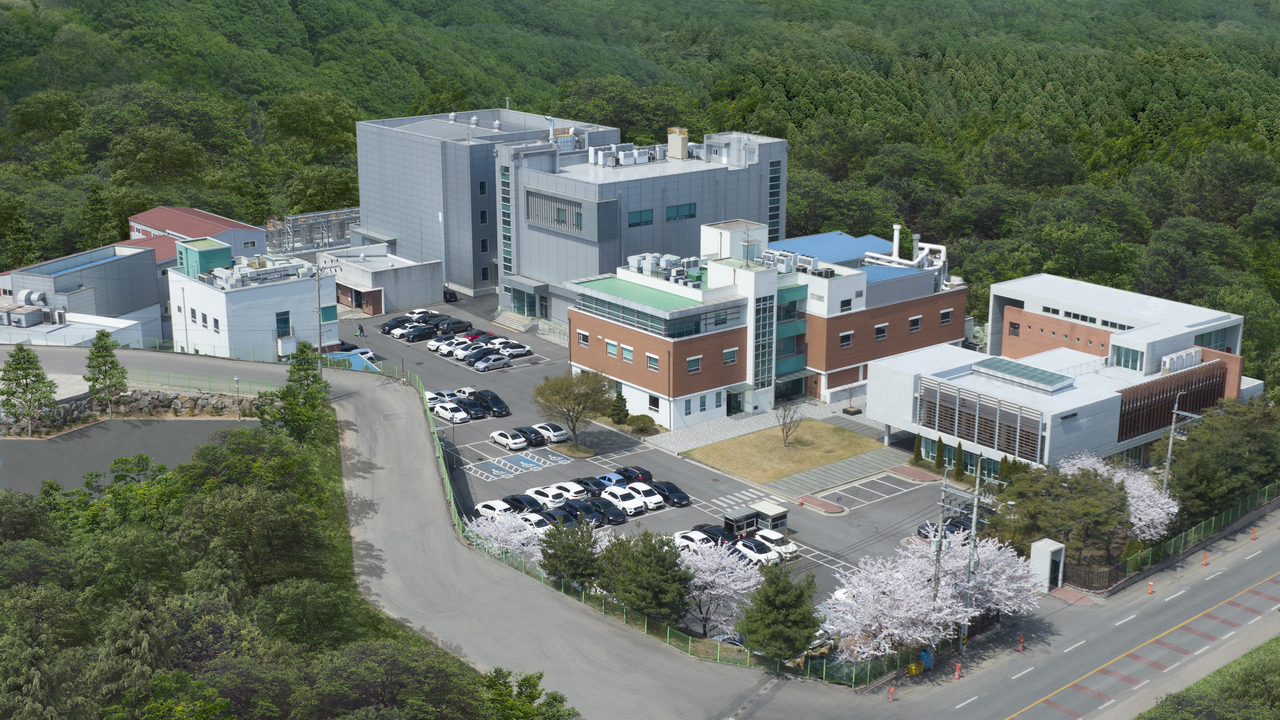
Meanwhile, YS Life Sciences operates an API production facility in Hwaseong and completed construction of a finished-dose production facility in Icheon, which received GMP certification in 2024, giving the company the infrastructure to manufacture both API and finished-dose products within a single legal entity.
kty@heraldcorp.com