Hegseth issues new guidelines through classified memo
Claims emerge that intelligence sharing with allies has declined
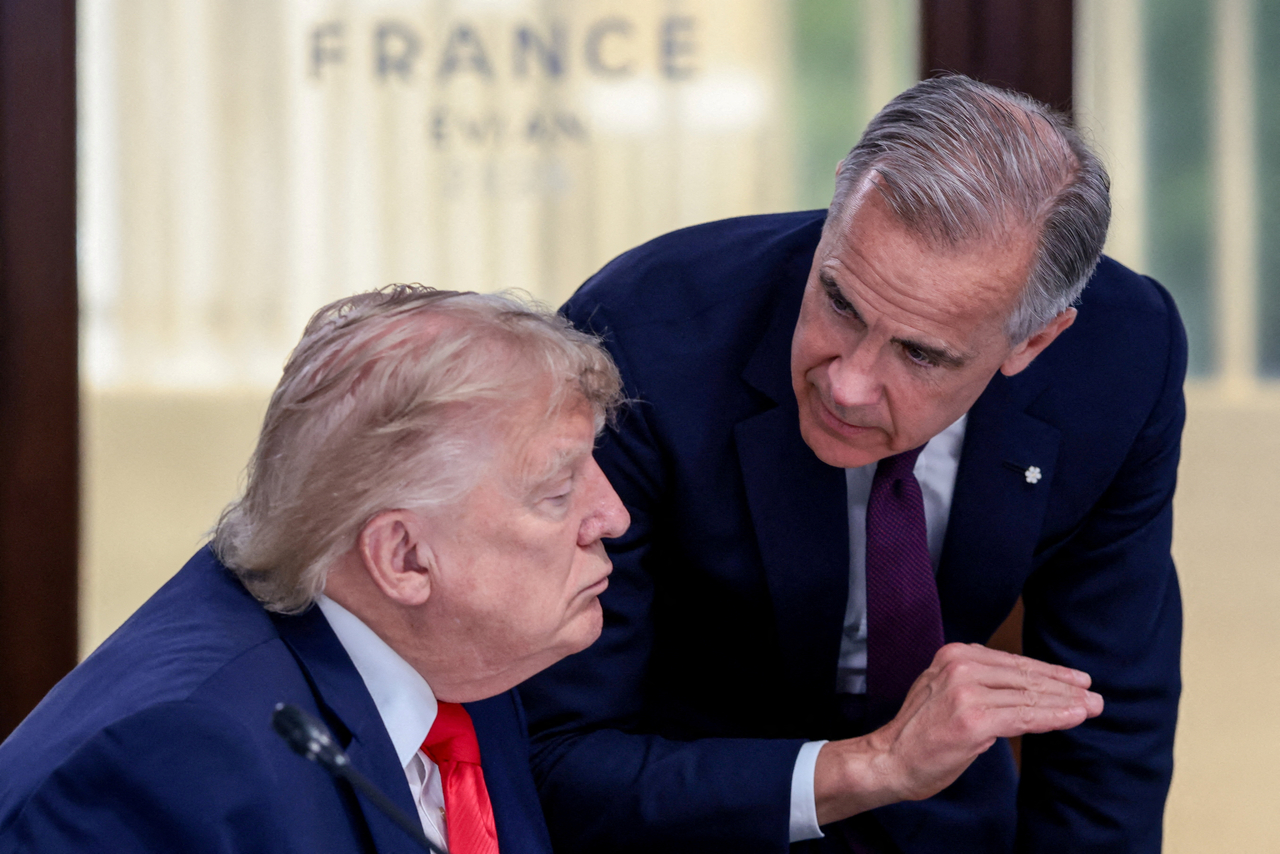
Cracks are emerging in the long-standing defense partnership between the United States and Canada as tensions between the two countries continue to deepen.
Defense Secretary Pete Hegseth imposed new restrictions on US-Canada defense cooperation through a classified memo distributed last week, the Washington Post reported Friday (local time).
US officials familiar with the matter said the specific contents of the memo could not be confirmed, but that the move could be seen as a significant affront to Canada.
Pentagon spokesperson Sean Parnell told the Post in response to a query that the Defense Department was "taking steps to ensure that cooperation with Canada advances America's real defense objectives and ultimately supports the revitalization of the defense relationship between our two countries."
However, Parnell said the new guidelines would not affect defense intelligence sharing between the two countries or military cooperation through NATO and the North American Aerospace Defense Command (NORAD).
Even so, claims have emerged that the volume of intelligence the United States shares with its allies has in practice declined. An official from the Five Eyes intelligence-sharing alliance — which includes the United States, Canada, the United Kingdom, Australia and New Zealand — told the Post that the amount of information the US has provided to allies through various channels has decreased over the past year.
The United States and Canada share a border stretching roughly 8,892 kilometers and are both founding members of NATO, having maintained close military and security ties for decades.
Relations between the two countries have grown increasingly strained over trade and security issues since Donald Trump began his second term in January last year.
Trump has criticized Canada since his first term for relying too heavily on the United States for its own security, and has repeatedly suggested that Canada should become the 51st US state.
Trade tensions escalated in earnest after Trump imposed tariffs on Canadian steel, aluminum and other goods following the start of his second term, prompting Canada to retaliate with its own tariffs.
Trump publicly voiced his frustration at the White House on Friday, saying Canada had not agreed to a trade deal on terms the United States wants.
"For some reason they've gotten confident," he said. "We can't let them feel that way anymore."
quq@heraldcorp.com