A Texas execution that lasted more than an hour has reignited a human rights debate over capital punishment in the United States, amid growing scrutiny of cases in which condemned inmates have survived or suffered prolonged agony during lethal injections.
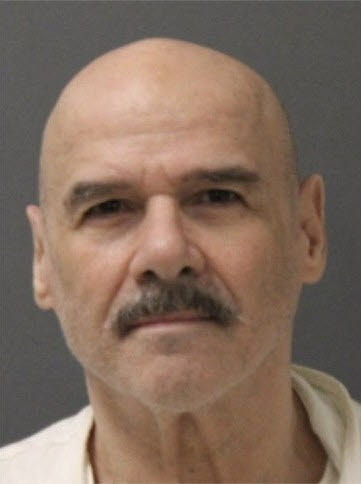
The New York Times and the Associated Press reported Thursday (local time) that the execution of death row inmate Reynaldo Denny, 70, at a prison in Huntsville, Texas, took over an hour after officials struggled to insert an intravenous line to administer the lethal drug pentobarbital.
Denny was strapped to the execution table at 6:04 p.m. Repeated attempts to insert an IV needle into his hands and arms failed, and needles were not successfully placed until 6:20 p.m. — in the left side of his neck — and again at 6:38 p.m. in his foot. He was pronounced dead at 7:08 p.m.
During the procedure, Denny was reported to have cried out "God, take me" and to have expressed intense pain.
The Rev. Jeff Hood, a minister who witnessed the execution, said he had placed his hand on Denny's shoulder and felt convulsions traveling up his own arm. "Denny was in extreme pain," Hood said, calling the execution tantamount to torture.
The Texas Department of Criminal Justice said the execution was carried out successfully, adding that "doing it right is more important than how quickly it is done." The agency said it does not plan to conduct any further investigation into the matter.
Denny had been sentenced to death for murdering a diamond broker and stealing jewelry in 1996.
The debate over capital punishment gained renewed attention after death row inmate Christa Pike, 50, survived two doses of pentobarbital at a Nashville, Tennessee, prison on Sept. 30. After regaining consciousness, Pike said she had felt "extreme pain throughout her entire body, her hands and her throat."
In 2025, it also emerged that an inmate executed by nitrogen gas in Alabama had writhed in agony for more than 20 minutes during the procedure.
123@heraldcorp.com