Debt of 1 trillion won — with annual interest alone running around 200 billion won
Free-ride losses at six urban rail operators nationwide surged roughly 1.7 times in five years, from 445.6 billion won in 2020 to 775.4 billion won in 2025
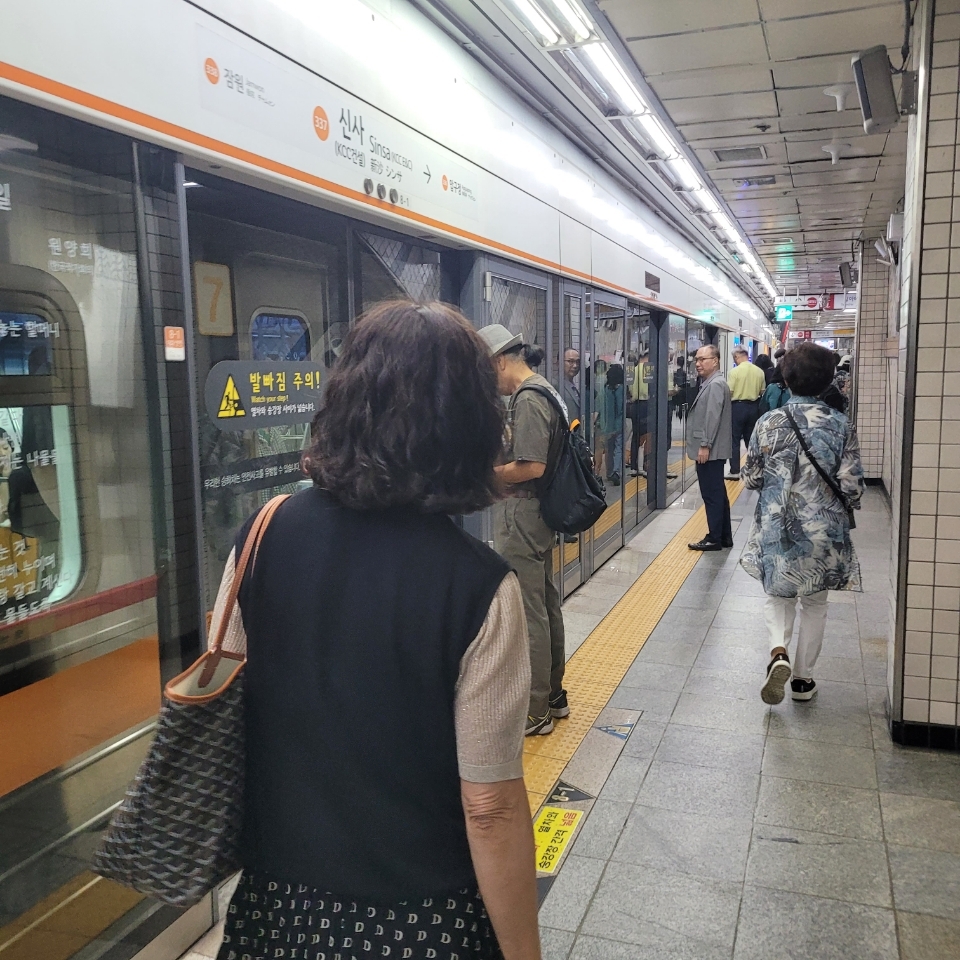
Seoul's subway system, which has served as the backbone of daily commuting for residents of the capital and the greater metropolitan area for more than 50 years, now faces a compounding crisis of deteriorating finances, aging infrastructure and shrinking safety investment.
As the financial burden on Seoul Metro continues to grow, government support has stagnated and fare increases remain politically difficult, prompting calls for urgent structural reform.
Seoul Metro's debt stands at around 1 trillion won ($751 million), with annual interest payments alone running at roughly 200 billion won. The Seoul Metropolitan Government provides about 200 billion won a year to cover those interest costs, but analysts say that falls well short of addressing the accumulated debt and the operator's structural deficit.
One of the primary drivers of the financial deterioration is losses from free rides for passengers aged 65 and older. As the elderly population grows, the number of free-ride users has risen consistently, compounding the burden on the operator. Urban rail operators argue that they have been left to absorb much of the cost of a welfare policy — free transit for seniors — that was designed as a public service, causing financial pressures to pile up year after year.
Seoul Metro and five other urban rail operators nationwide have repeatedly called on the government to compensate them for losses from the senior free-ride system. No substantive government support has materialized, however, leaving the operators to rely on internal cost-cutting and efficiency drives.
Raising fares alone is no easy fix. Given the impact on household budgets and the public-service nature of mass transit, any fare increase carries significant social and political costs. While some analysts note that domestic subway fares are relatively low compared with those in major cities abroad, they also caution that fare hikes alone cannot resolve the underlying structural deficit.
What worries observers most is that the financial strain could begin to affect vehicle maintenance and safety investment. Rolling stock replacement and the upkeep of tracks, rails and sleepers all require sustained funding, but the worse the fiscal conditions become, the greater the risk that safety-related spending gets deprioritized.
"We need to consistently invest in vehicles and facilities to prevent safety accidents, and there is deep concern that budget shortfalls will prevent us from making the necessary investments," a Seoul Metro official said.
Amid this, three labor unions at Seoul Metro launched a work-to-rule action on Friday and are heading into a final round of wage and collective bargaining negotiations on Tuesday. Separate from the outcome of those talks, calls are growing for a fundamental solution to the subway's structural financial problems.
All eyes are now on what solutions the central government and the Seoul Metropolitan Government will offer as they try to balance transit welfare — guaranteeing citizens' right to mobility — with the long-term sustainability of subway operations and the need for continued safety investment.
seouldream01@heraldcorp.com