Amended past history law applies to bereaved families of Yeosu Uprising victims
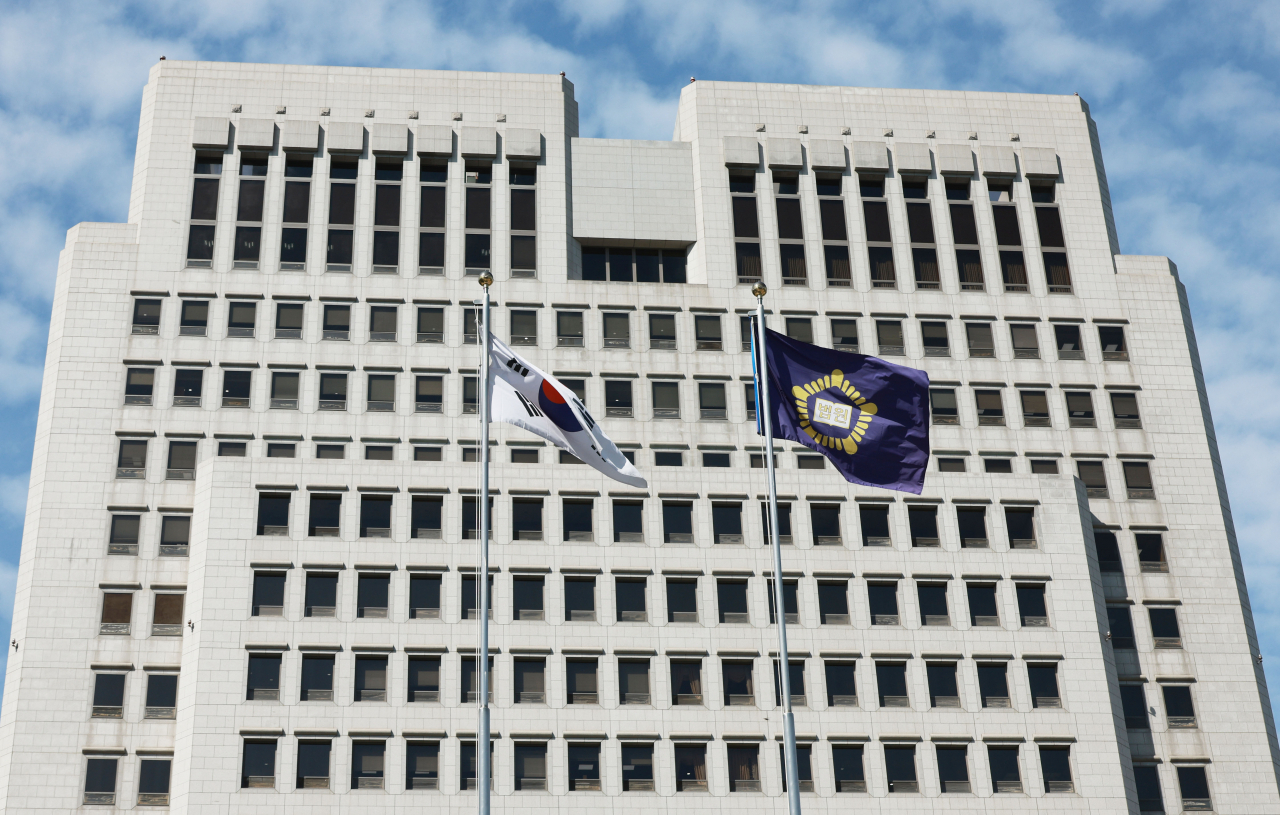
Victims of past human rights abuses whose statute of limitations has already expired can still seek state compensation under an amended past history reconciliation law that took effect in February, the Supreme Court has ruled.
According to legal sources Sunday, the Supreme Court's Second Division, presided over by Justice Oh Kyung-mi, recently overturned a lower court ruling that had dismissed a state compensation lawsuit filed by the bereaved family of Yeosu Uprising victim A, and remanded the case to the Gwangju District Court on Oct. 30.
According to facts established by the court, A was killed by soldiers' gunfire in October 1948 while on emergency duty as a staff member at the Yeosu branch office when the Yeosu Uprising broke out.
The Truth and Reconciliation Commission confirmed in September 2010 that A had been killed during the uprising and notified the family of that determination the following month.
The family, believing the commission's determination alone entitled them to compensation, did not file a separate lawsuit. They eventually filed a damages suit against the state in July 2024.
Both the first and second instance courts acknowledged the state's liability but ruled that the statute of limitations had expired, having lapsed three years after the family was notified of the commission's determination in October 2010.
The Supreme Court, however, held that under the amended past history reconciliation law that took effect in February, compensation claims remain available even after the statute of limitations has run out.
The amended law allows victims who received a truth determination before the law took effect — and who previously lost their cases on statute-of-limitations grounds — to file new damages claims within three years of the law's effective date.
The Supreme Court said the amended law was enacted to provide relief to victims who suffered from past unlawful acts by the state but were unable to obtain adequate compensation. It went on to say that "even where the statute of limitations has already expired, bereaved families and victims may file new damages claims within three years of the amended law's effective date," adding that the same applies to cases that were already pending in court when the law took effect.
The court said it remanded the case to reflect the legislative amendment made after the lower court's ruling, and clarified that its decision did not imply any error in the lower court's original judgment.
yg@heraldcorp.com