Sabuk Mine reborn as M650 cultural complex
Shower rooms, lockers and boot-wash stations recreated
More than 60,000 artifacts preserved by the miners themselves
Retired miners now serve as guides: 'It moves you to the core'
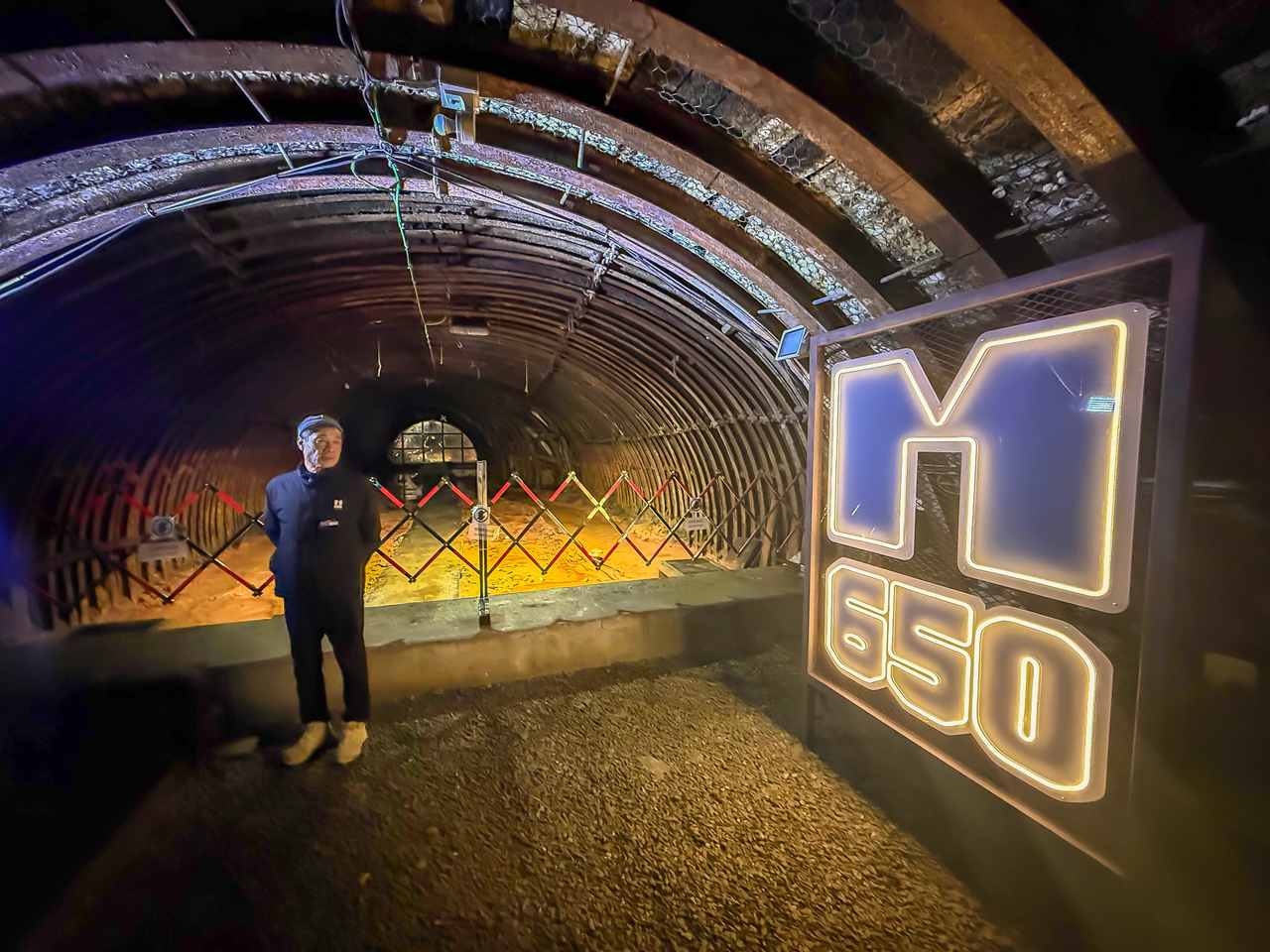
Where the deep darkness underground meets the light of the surface, a piece of industrial history has come back to life. The Dongwon Coal Company's Sabuk Mine in Jeongseon-gun, Gangwon Province — silent since October 2004, when the last miner walked out after 42 years of operation — has reopened as M650, a sprawling cultural complex.
Memories of industrialization that seemed lost have returned, now dressed in the language of art and culture. The site does not merely preserve traces of the past; it has been reimagined as a space where history and the present speak to each other.
A worker's site reborn as a cultural space
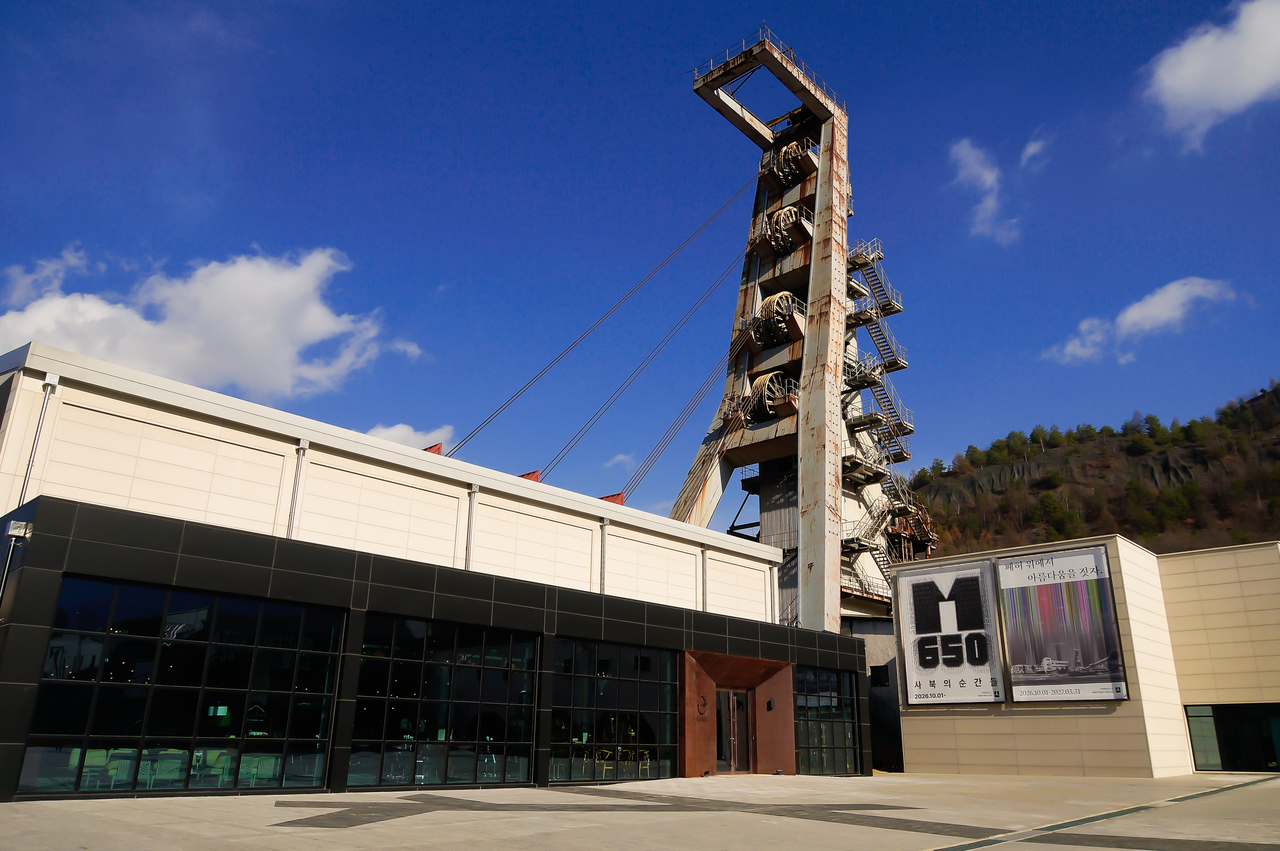
M650 is the former Sabuk Mine — once the beating heart of South Korea's coal industry — reborn as a 66,755-square-meter cultural complex. The name carries three meanings: "Mine," for the Sabuk Mine itself; "Mountain," for the vast waste-rock hill that looms over the site; and "Museum." It also refers simultaneously to the site's elevation of 650 meters above sea level and to Gallery 650, the central shaft that was the operational core of the mine.
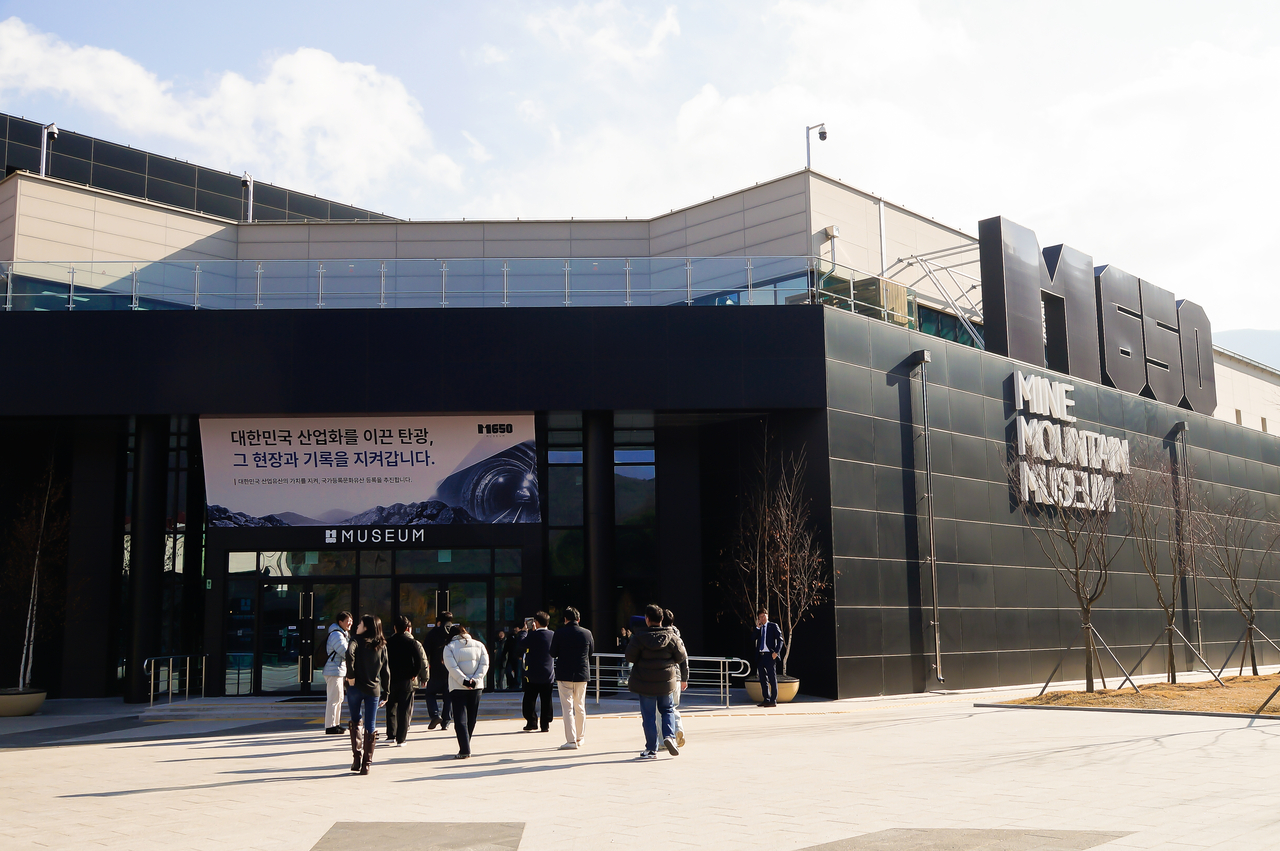
The main building, constructed in 1982, still stands on the site along with the work-uniform distribution room, the safety-lamp charging station, the boot-wash area, the shaft tower and the mine tunnels — all preserved as they were. Visitors can see, without filter, the daily lives of the miners, the worries of their families and the life-or-death anxiety that greeted them every morning on the way to work. A distinctive feature is that retired miners serve as guides themselves, bridging past and present as they talk with visitors.
In the plaza outside the entrance, black lines drawn across the ground catch the eye — a visualization of the actual tunnel network that honeycombed the earth hundreds of meters below. Step inside the museum and the rough walls of the 1982 building remain exactly as they were built.
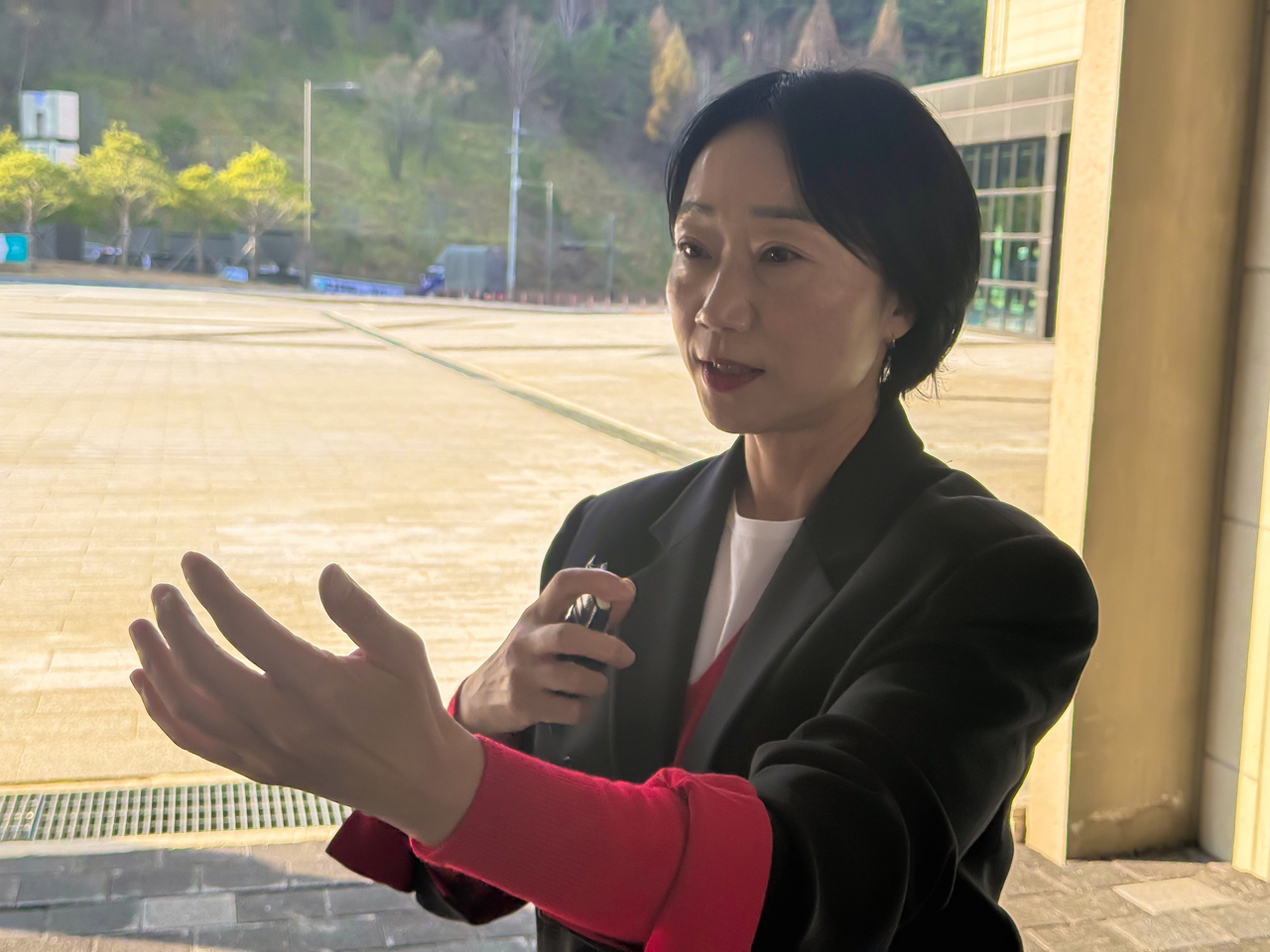
Oh Hyun-mi, arts director of Kangwon Land's regional business team and the person who oversaw the museum's concept, explained that the entire original 1982 building was preserved by encasing it within a new outer structure.
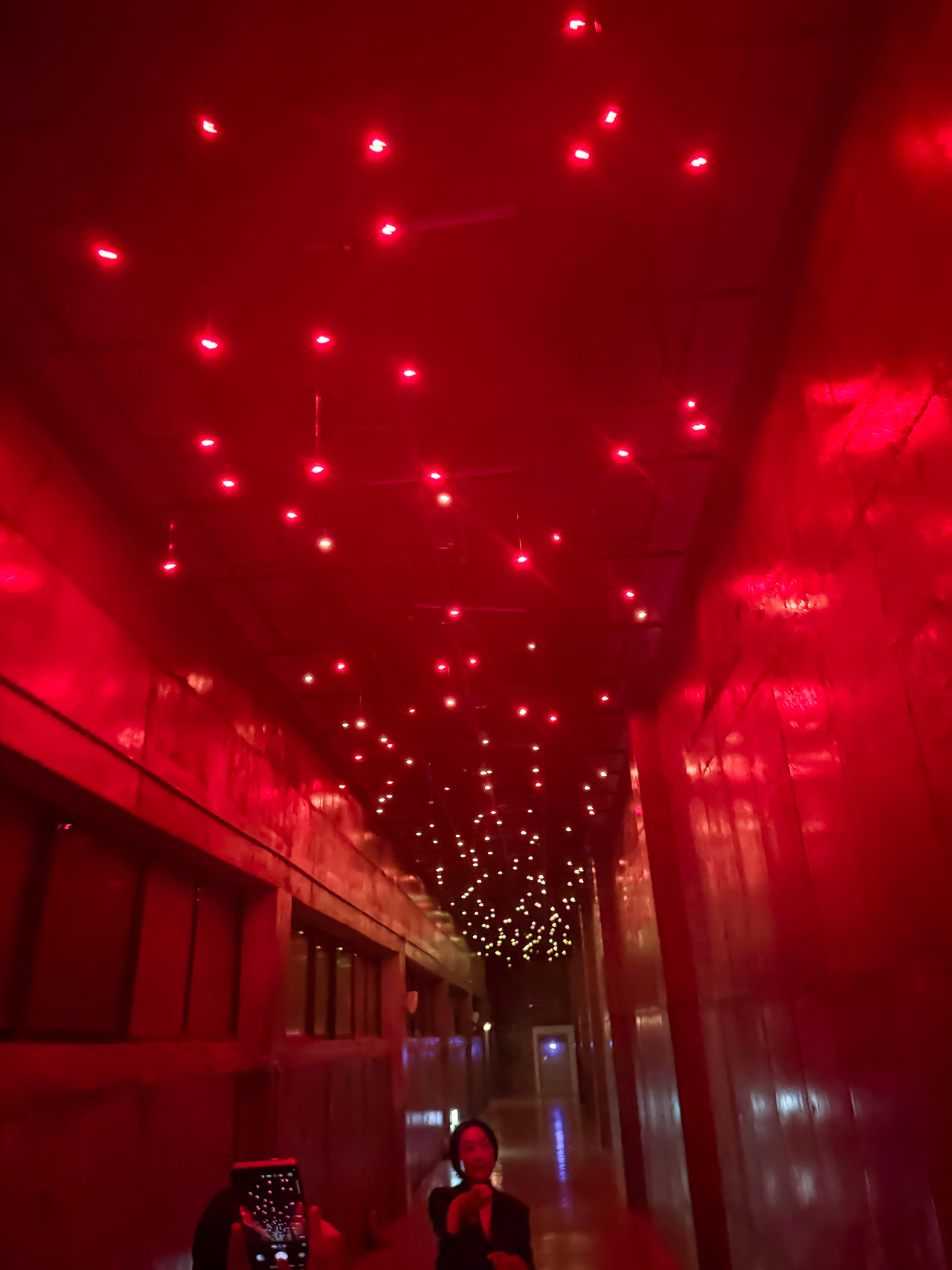
Past the turnstiles, two walls of entirely different eras face each other. On the left stands the original 1982 Sabuk Mine wall, its windows unchanged from that year. Opposite it rises a wall built in 2023. Visitors walk through the narrow passage between them — a corridor spanning four decades.
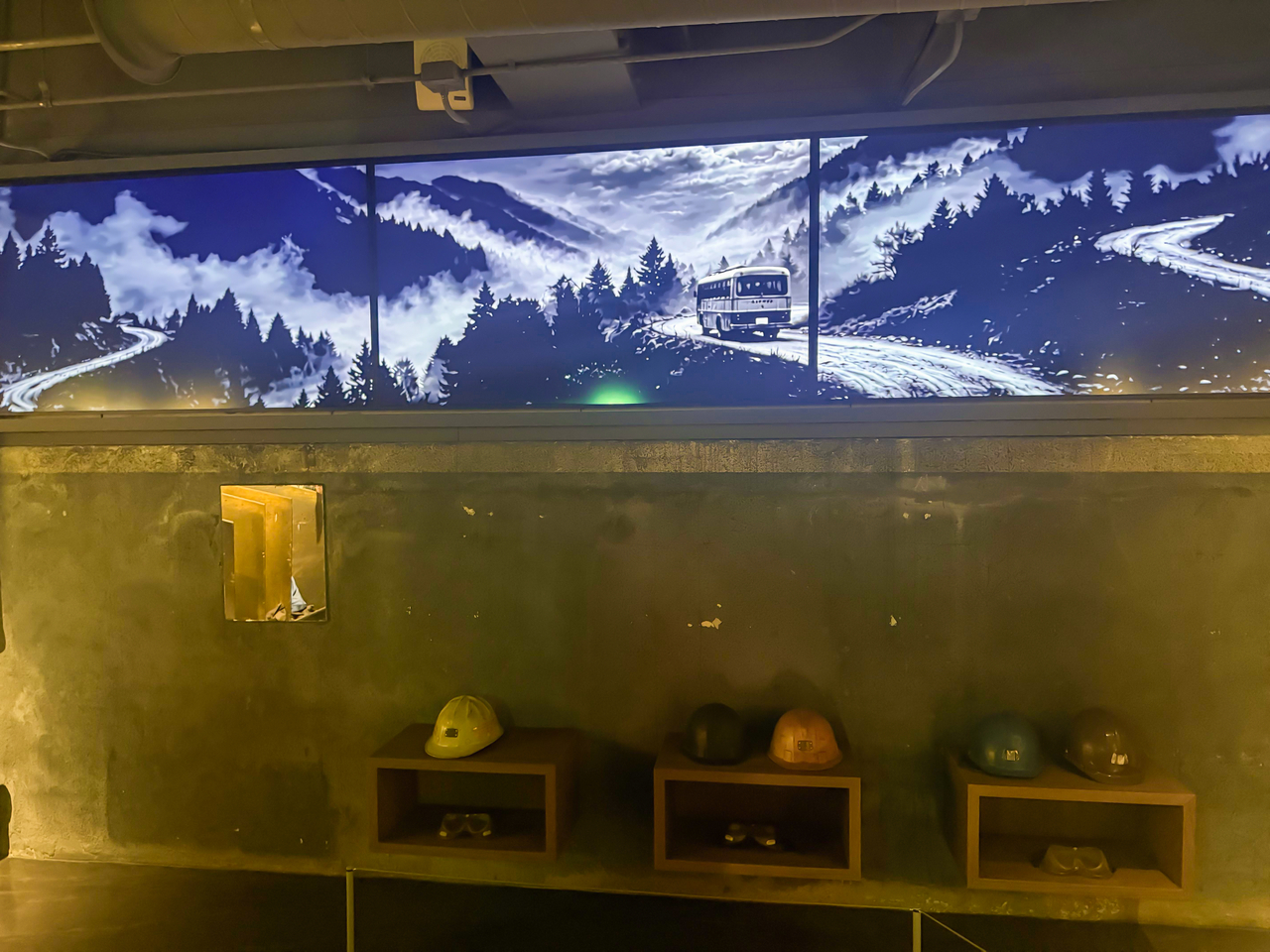
Moving deeper, visitors reach the main building where a miner's workday began. The structure grew out of the miners' bathhouse built in 1982. Along one wall of the uniform distribution room — where miners once clocked in and collected their gear — a dynamic film plays, depicting a day in the life of the mine and the people who worked it. Every object and tool shown in the footage is an actual artifact held by the museum.
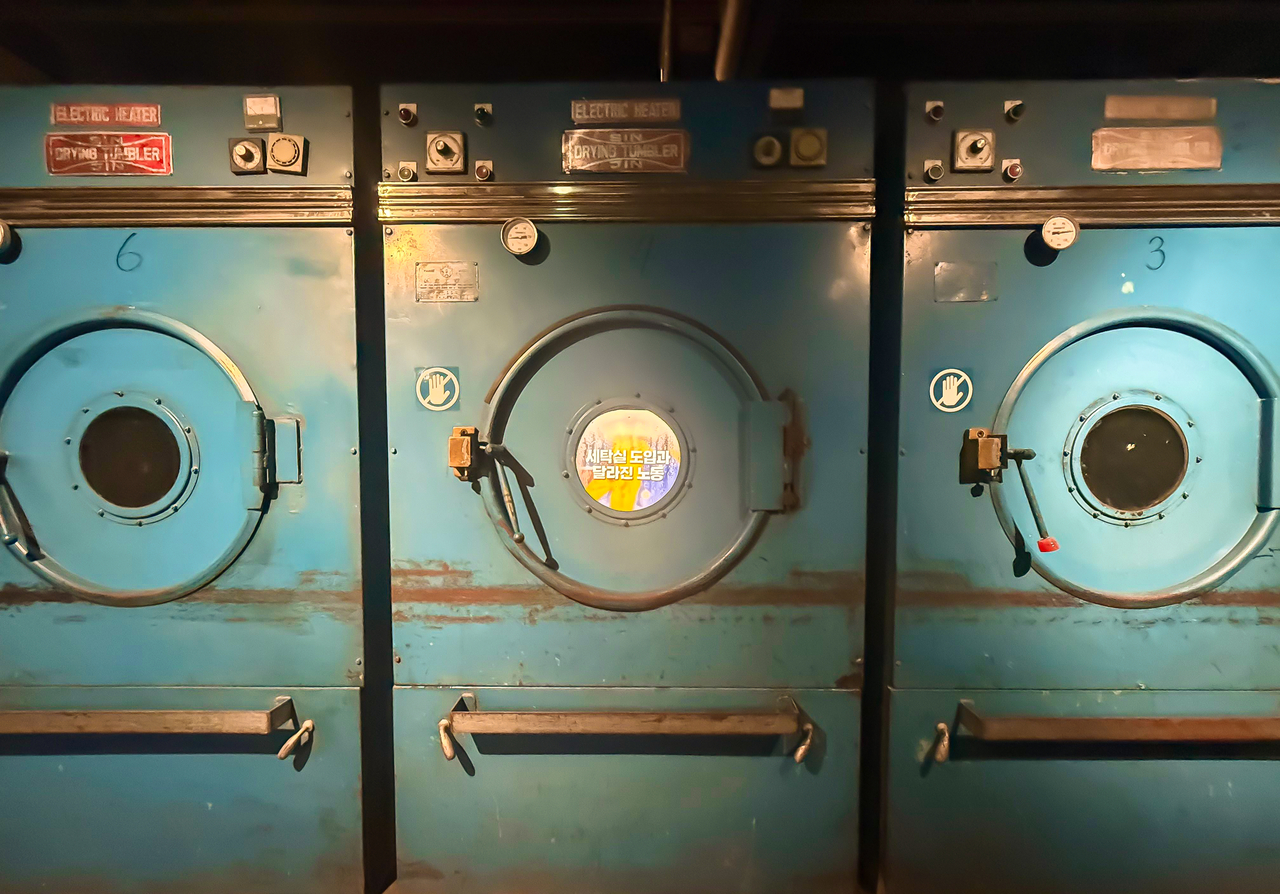
The laundry room, which once washed up to 3,600 work uniforms a day, is on display along with its spin dryers and large industrial dryers. Monitors inside the dryers play archival footage restored using AI. The dryers' striking appearance led many to assume they were imported, but they were in fact manufactured in 1982 by Shinjin Industrial in Seongsu-dong, Seoul. "The fact that industrial machines of this scale were being made domestically in the early 1980s shows that South Korea had already become a country capable of mass production," Oh said.
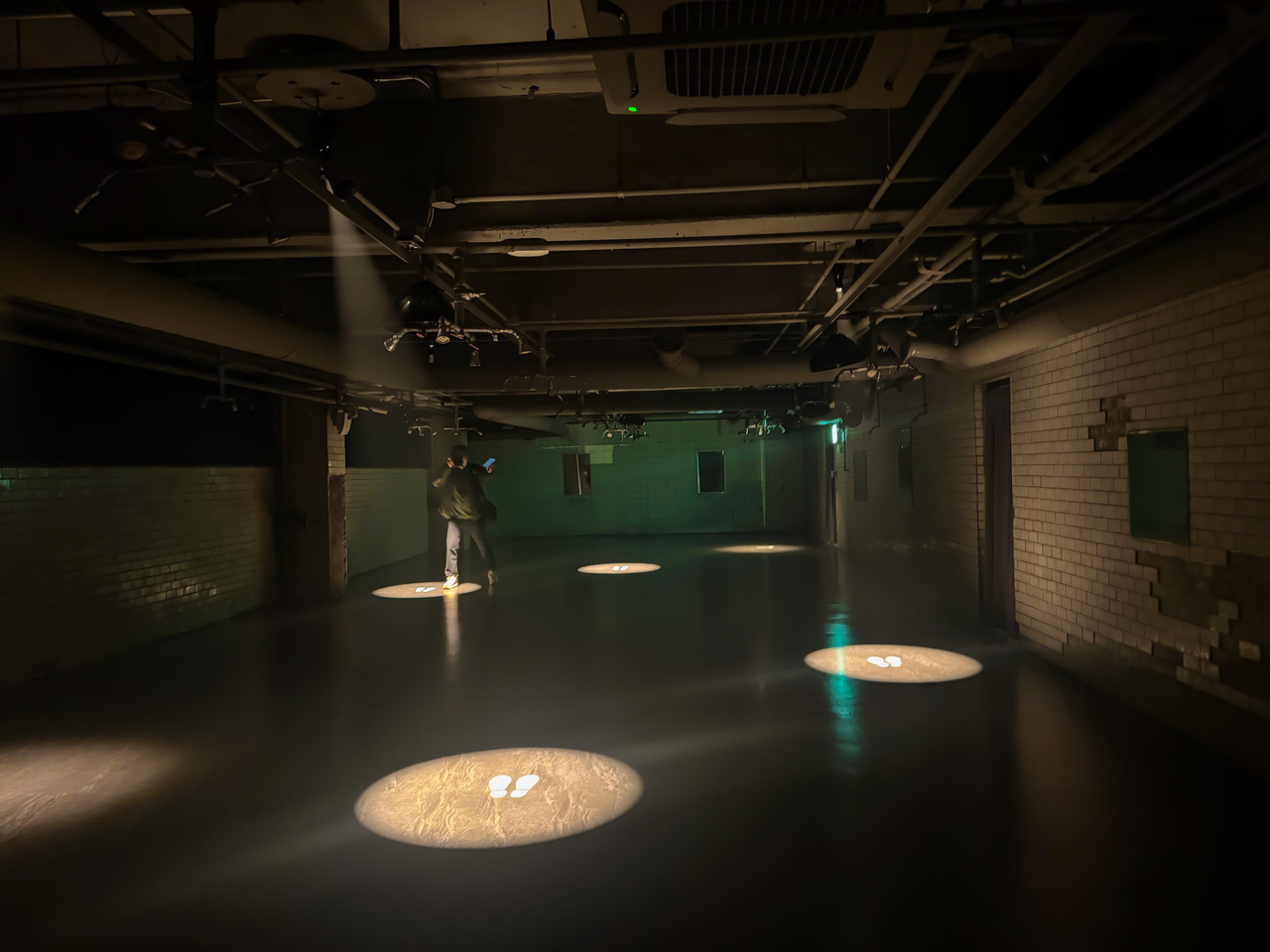
Next comes the shower room, which once accommodated up to 1,200 people and supplied hot water around the clock. Stand on the footprint markers on the shower-room floor and poetry about the hard lives of miners begins to play — verses that capture the emotions of those who descended daily into extreme conditions.
"We selected a handful of poems from more than 1,200 pieces of coal-mine poetry to convey the miners' feelings," Oh said. "Some were written by local poets who were miners themselves. The recorded voices are not as polished as professional voice actors, but they are the real voices of local residents, local children and former miners."
The safety lamp that meant life — and the great black mountain
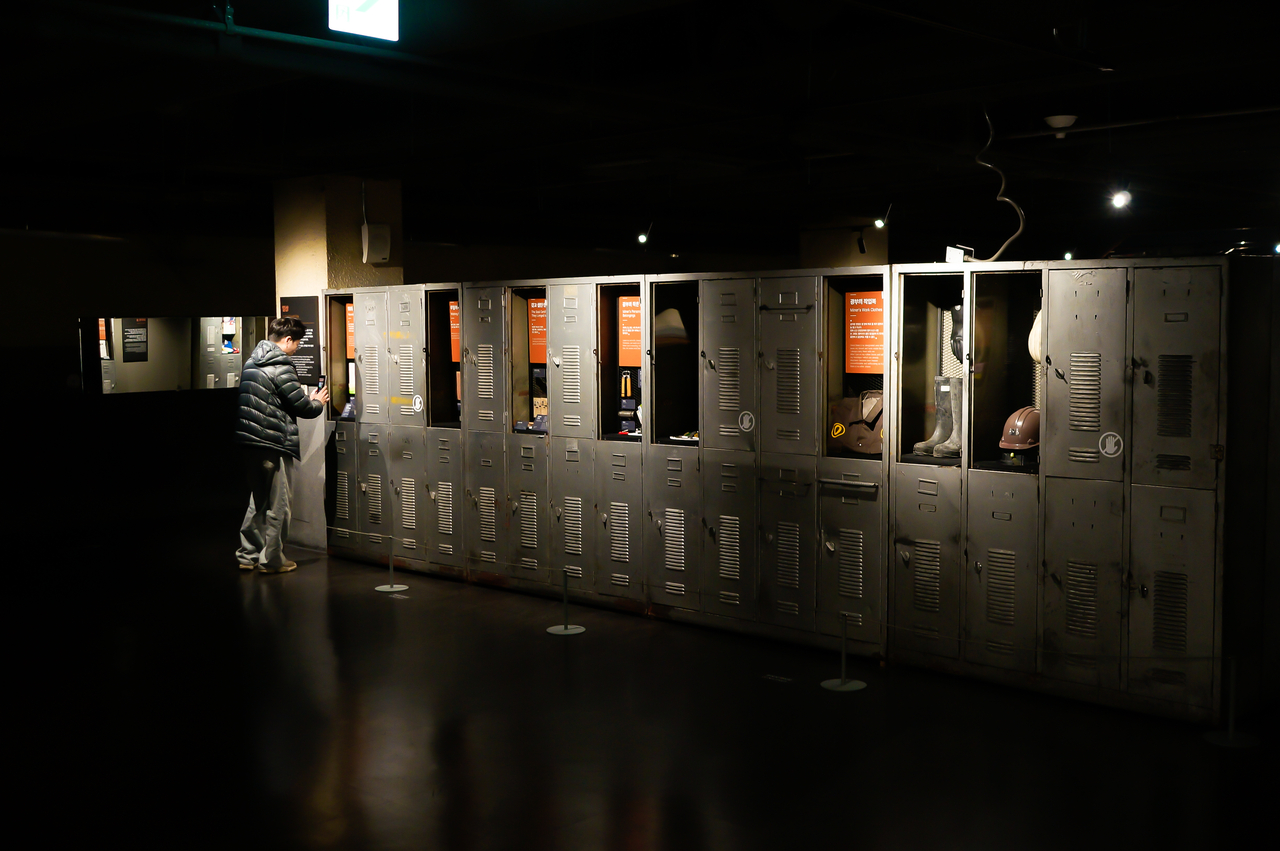
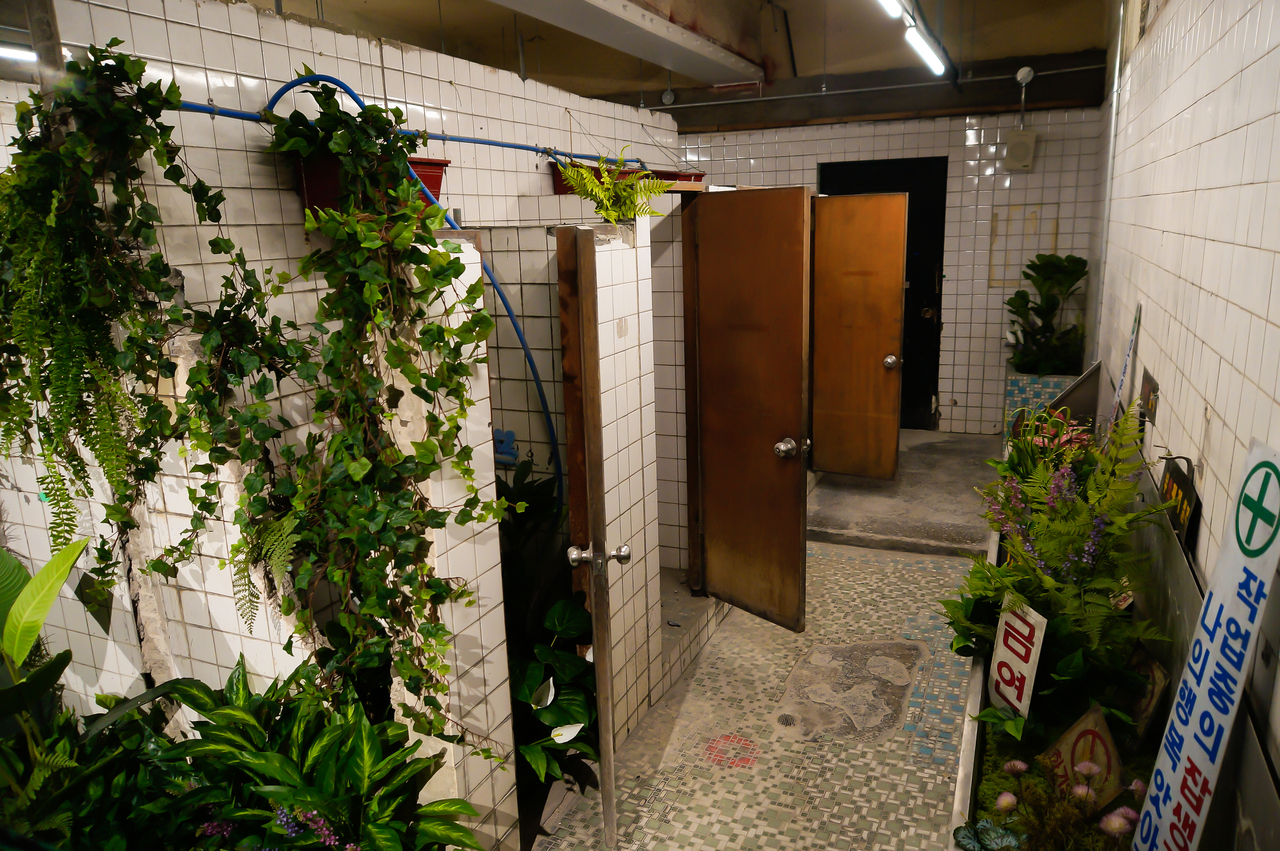
Inside the locker room, rows of metal lockers line the walls. Each one is an intensely private space, yet hundreds gathered together become a symbol of the collective identity of "the miner." The lockers still hold personal effects — sports clothes, helmets, old cigarettes, first-aid supplies. Beside them stands a restroom where renovation work was halted at the insistence of former miners who wanted the original state left intact.
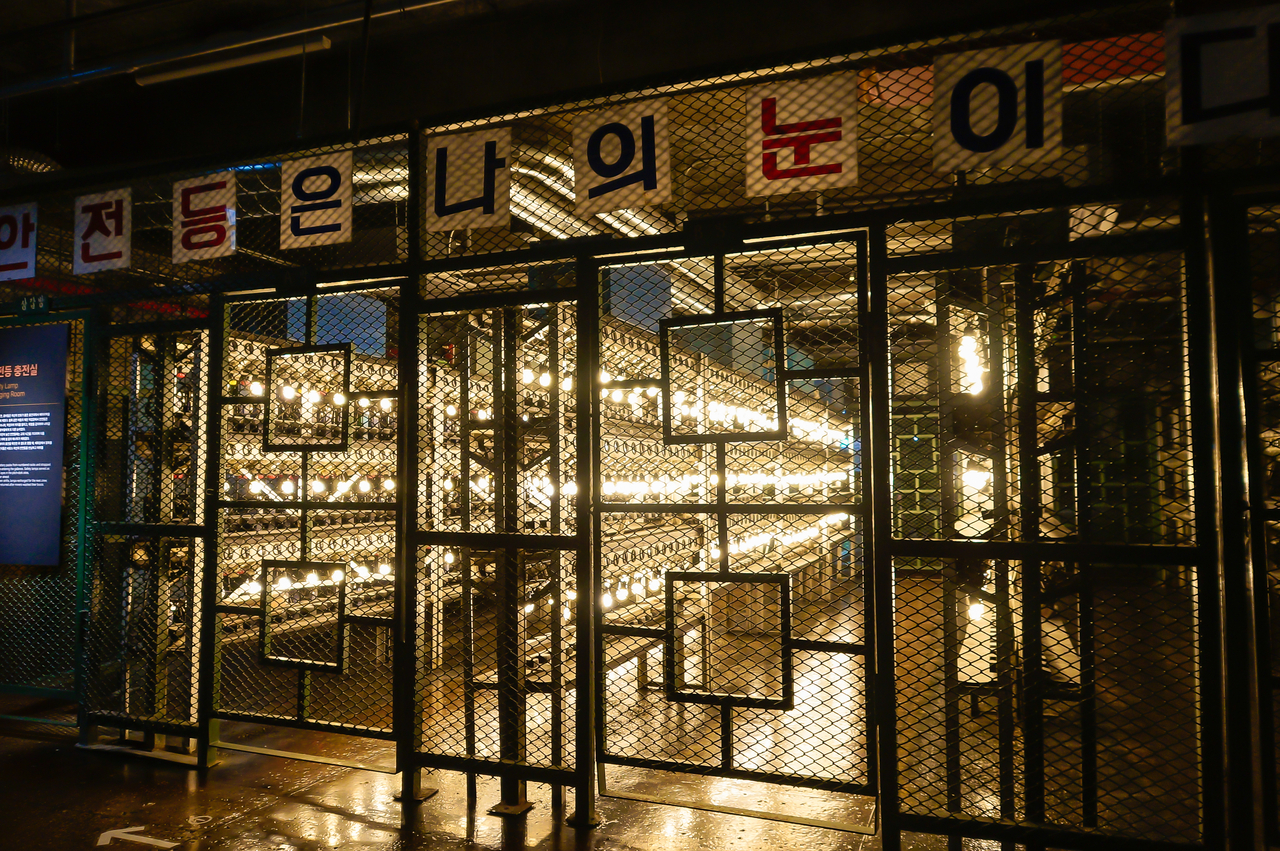
The safety-lamp charging station and the boot-wash area survive in their original form. Each morning, miners pulled their battery pack from a numbered charging slot, clipped it to their belt and headed underground; at the end of a shift they washed their boots at the boot-wash station and returned their safety lamps. Just beyond these rooms, archival footage plays — footage that includes the very spaces visitors have just walked through, creating the uncanny sensation of stepping back in time.
Behind the Sabuk Mine stands a vast waste-rock hill — a mountain of stone dug out alongside the coal but deemed worthless and discarded. The artificial peak reaches 835 meters at its highest point, a silent testament to the sheer volume of coal extracted here.
Feeding rice to the rats that saved their lives
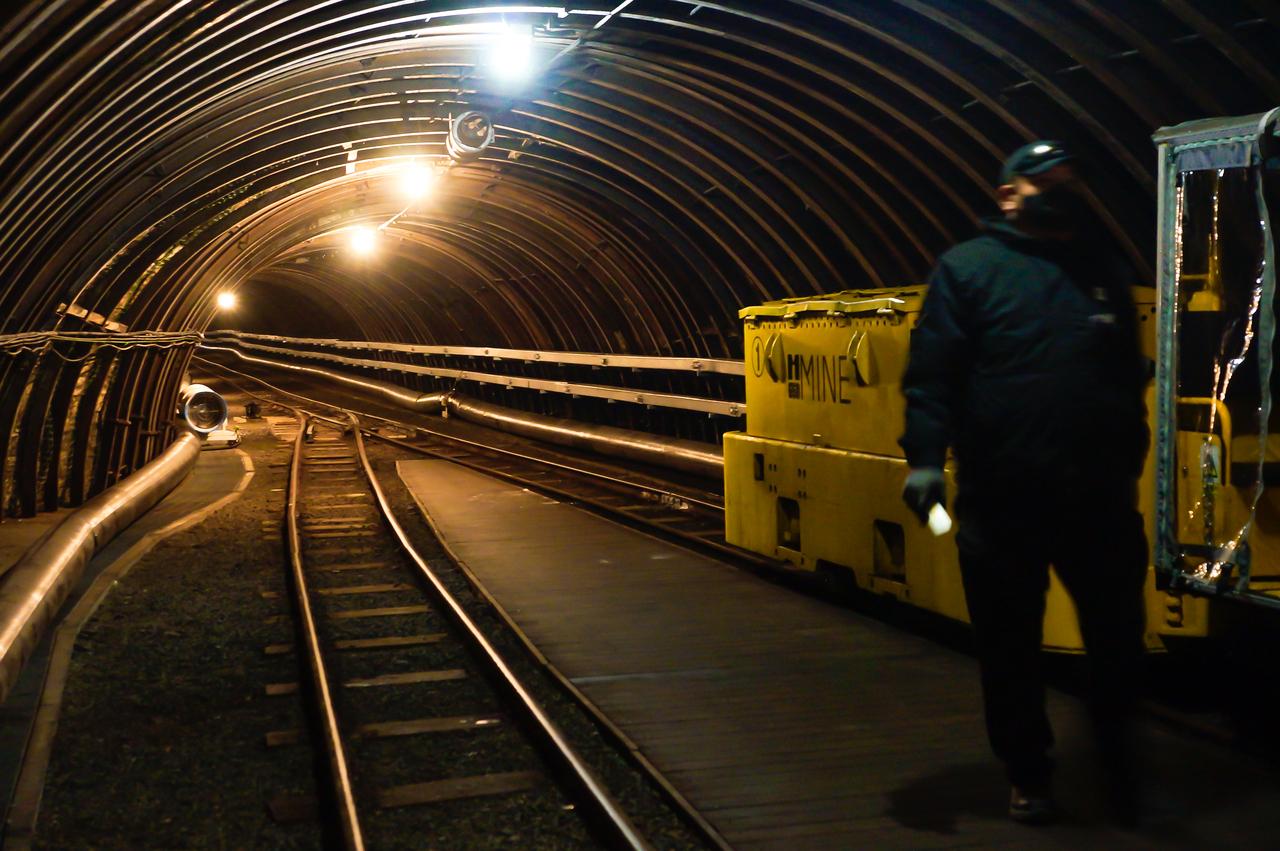
The highlight of a visit to M650 is riding the man-trip car — the same vehicle that once carried miners — directly into Gallery 650, a real working mine tunnel. This is not a theme-park replica; visitors enter an actual shaft where coal was cut from the rock. At the controls that day was Shim Ho-yong, director of the Sabuk Coal Artifacts Preservation Committee, who worked at the mine for 23 years before it closed. As Shim's weathered voice filled the tunnel, the brutal reality of life underground came vividly to life.
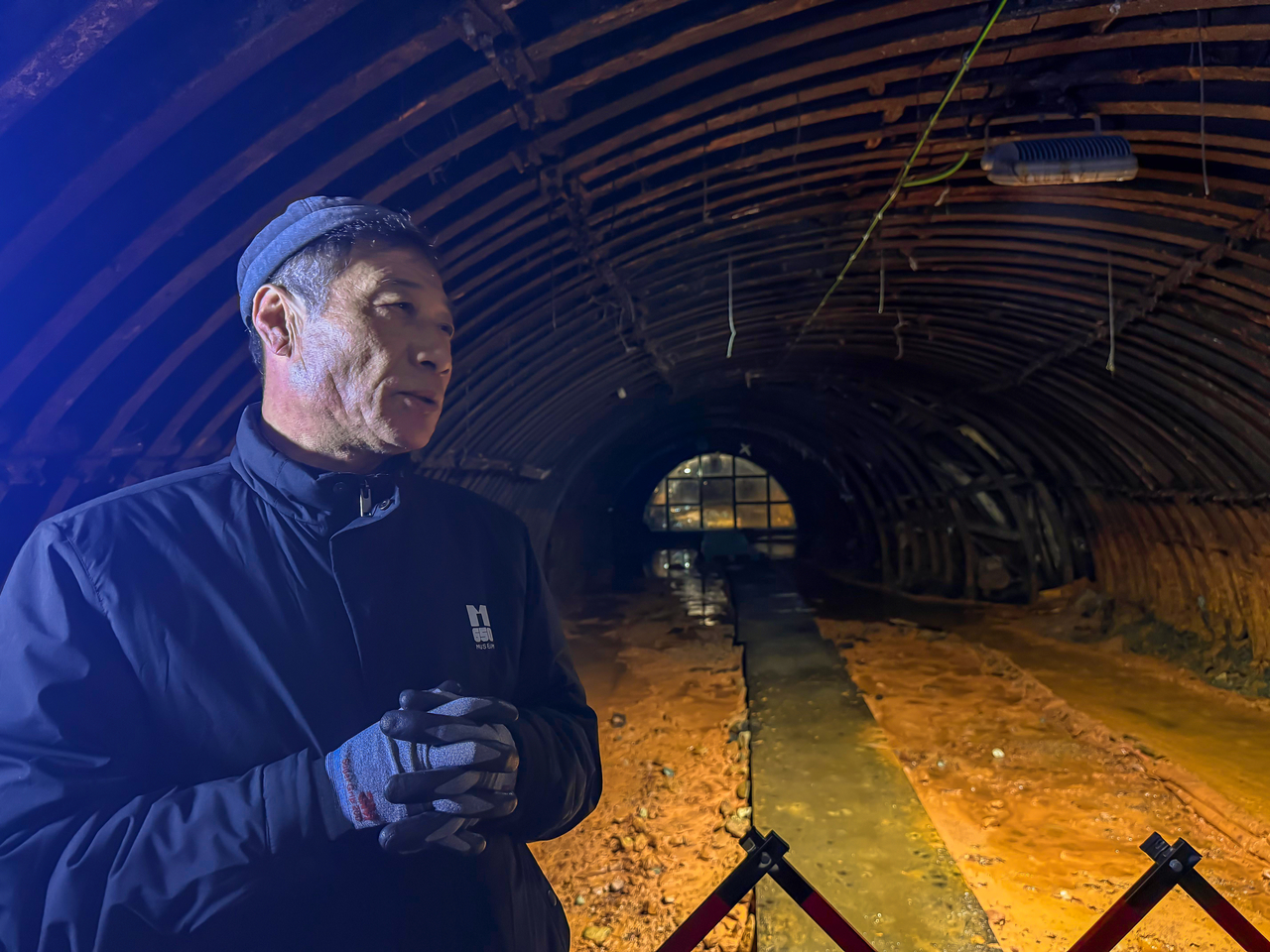
"On days off, all you could do was drink or sleep off the exhaustion — miners simply had no energy left for anything else," Shim recalled. "You had to spend at least one full day lying down at home before you could go back into the pit."
Mining was, in every sense, an extreme occupation. Sweat poured so heavily during a shift that dust masks slipped off, and bruises on the shoulders never fully healed. Until the shift change, there was no seeing the sky, no breathing outside air.
Serious accidents were common. Miners would accidentally breach an underground water pocket and be hit by a torrent, or collapse after inhaling invisible gas. Coal dust worked its way into cuts and became permanent "black tattoos" on the skin. Pneumoconiosis — the lungs slowly hardening from coal and rock dust — was a silent killer that stalked every miner.
Mealtimes underground were no less grim. With no proper canteen, miners sat on the ground and opened their dosirak, only to watch black coal dust settle over the white rice the moment the lid came off. They ate anyway, because they had to. And as they ate, miners would scoop up spoonfuls of rice and toss them into the darkness — for the rats.
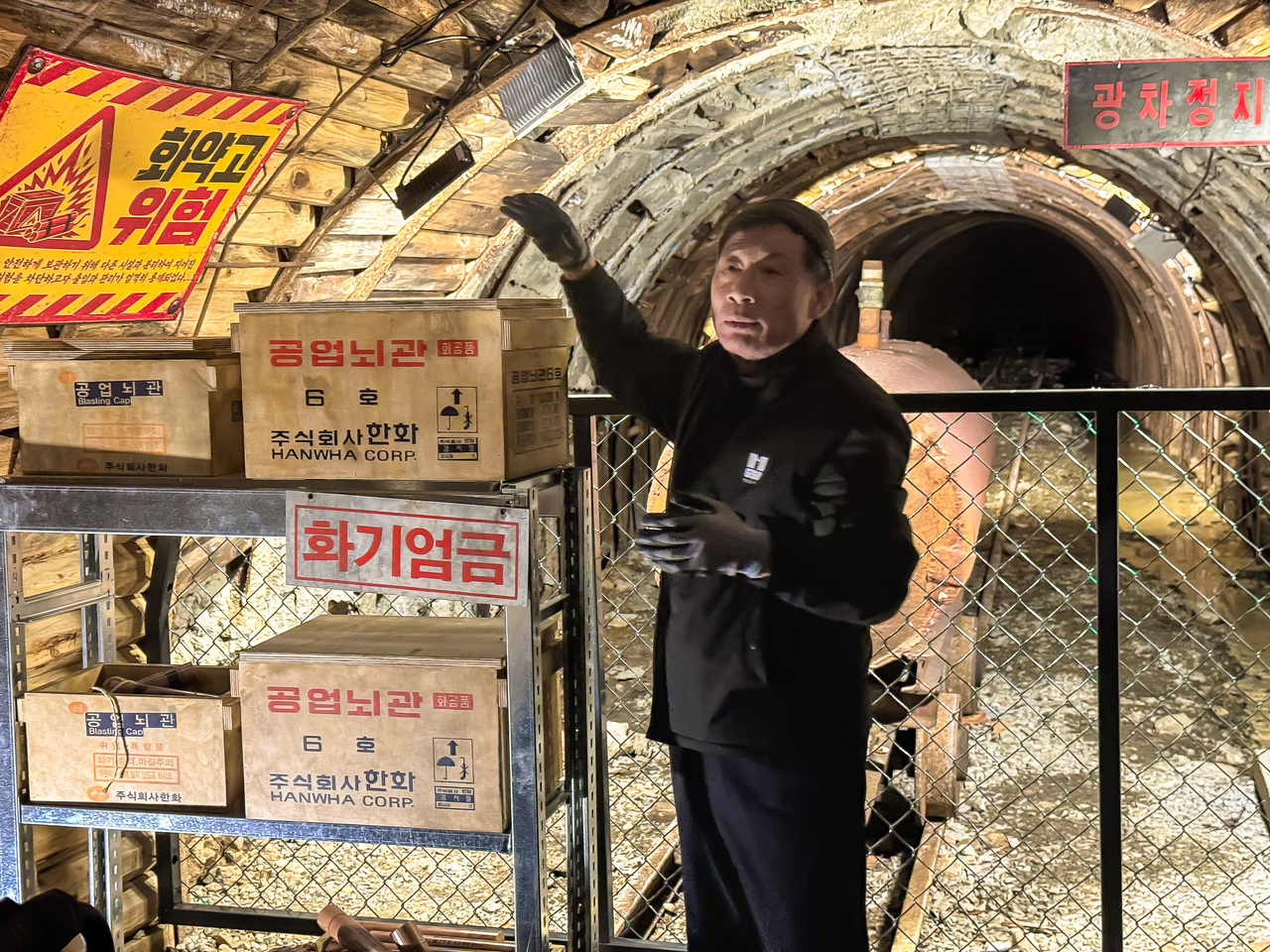
"Rats lived even thousands of meters underground, and miners never tried to catch them — they fed them and kept them well-fed," Shim said. "Before a tunnel collapsed, the rats would sense the faint vibrations first and run out, so they could prevent loss of life."
All that punishing labor came down to feeding a family. "Back then, a miner's monthly pay was about three times what a civil servant earned," Shim recalled.
"Come here and they gave you rice, a house, everything for free — even school fees for your children. We risked our lives to come because we could raise our kids. We never breathed a word to our children about the hard things we went through at the coal face. We just wanted to remain brave fathers in their eyes."
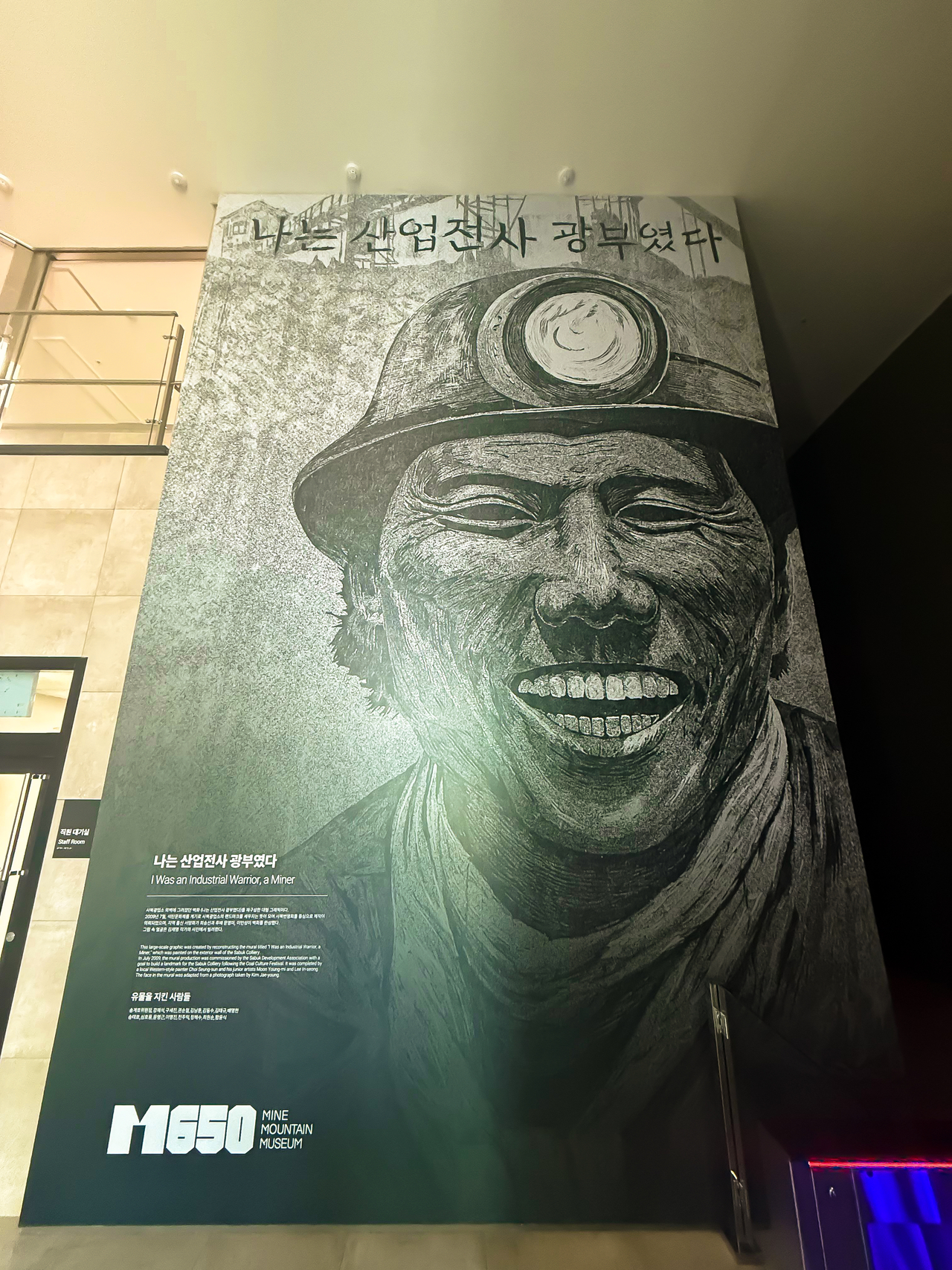
The more than 60,500 artifacts M650 now holds were saved by Shim and fellow former miners. Before the mine closed, they began collecting equipment, administrative documents and tunnel blueprints that would otherwise have been disposed of when the operation shut down. Guards accused them of theft, but their determination to preserve those objects made the museum possible.
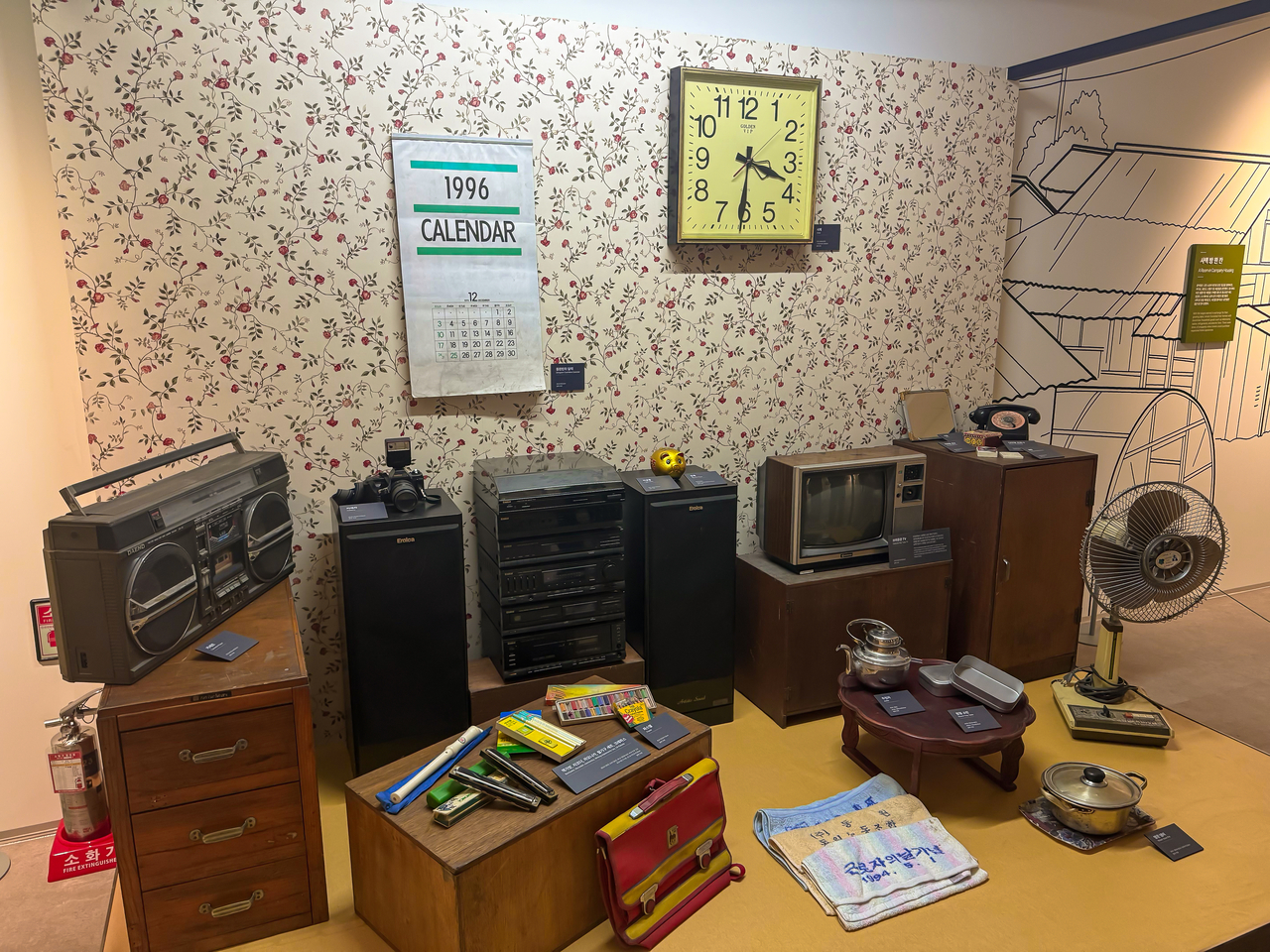
Wrapping up the tour, Shim left visitors with a final thought. "I hope that from now on, whenever you see a single briquette, you will remember the dedication and courage of our miners, who gave everything for their families and their country," Shim said.
In Sabuk, Jeongseon — a town whose economic base shifted to casinos and resorts after the mines closed — retired miners have returned to the very workplaces where they spent their youth, sharing their lives with visitors. It is a model for local job creation and cross-generational exchange. There is a particular resonance in having the people who actually gave their prime years to this place bear witness to it in person. Standing as a bridge between past and present, they remind us that the peaceful daily lives we enjoy today did not come without a price.
terry@heraldcorp.com