National Labor Relations Commission records no ex officio referrals from March 1953 to April 2025
In 8 of 10 cases handled by one labor attorney, key evidence was missing from proceedings
Penalties limited to documents requested by commission; calls grow for stronger pre-ruling evidence rules
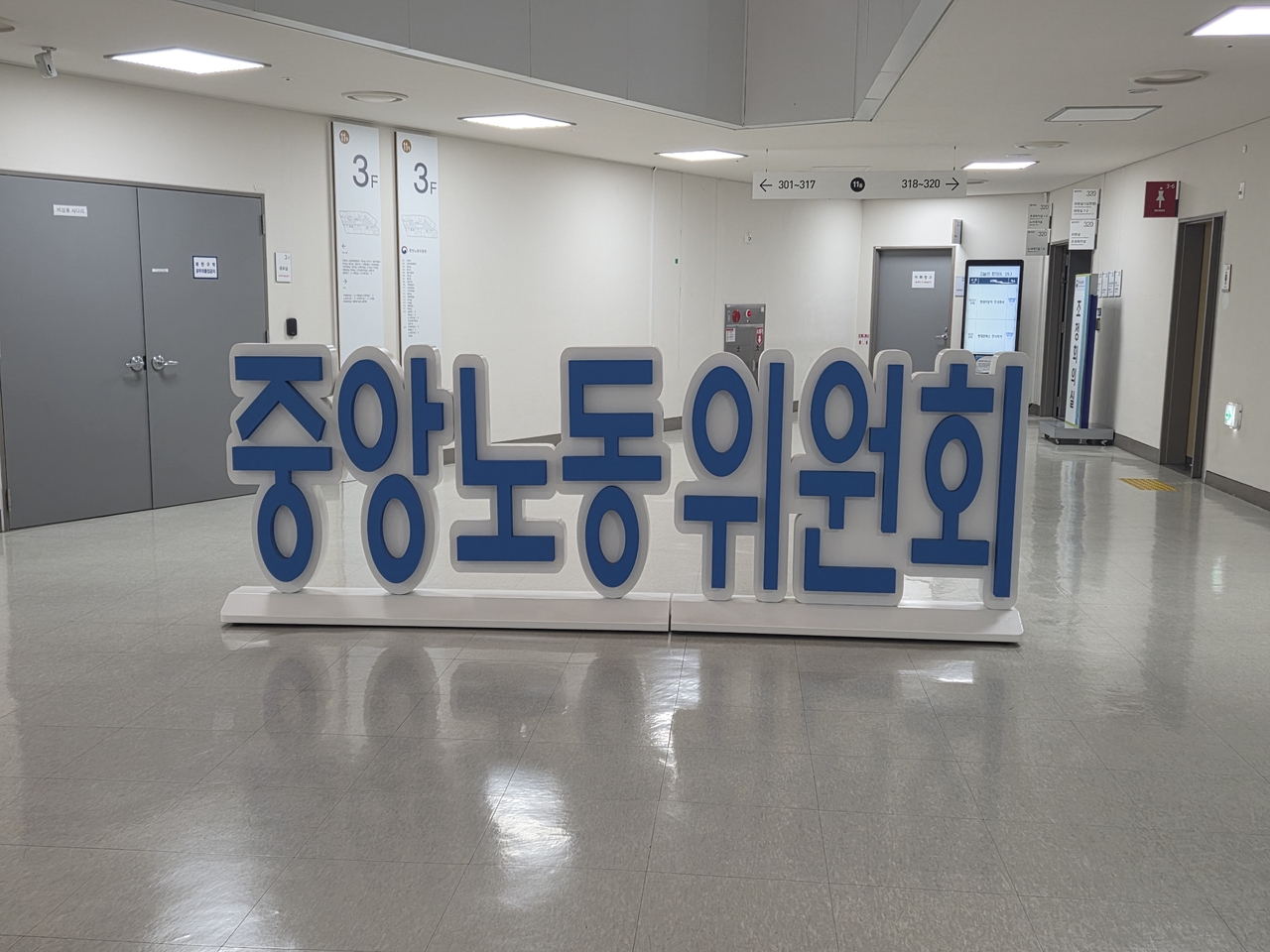
A wrongful dismissal case dismissed by the Gyeonggi Province Regional Labor Relations Commission was overturned on appeal after employment rules submitted at the initial hearing were found to have been falsified. A referral followed only after the worker filed a complaint. According to data compiled by the office of Democratic Party of Korea lawmaker Lee Yong-woo, that case stands as the sole referral for violations of Article 31 of the Labor Relations Commission Act across all regional commissions over the past three years. The National Labor Relations Commission had not made a single ex officio referral under the relevant provision in roughly 72 years, through April 2025.
Labor commissions may demand the submission of documents needed to establish the facts of a case. Failure to comply, or submission of false documents, can carry a fine of up to 5 million won ($3,760). Experts say the evidence-gathering process should be strengthened to allow fact-finding before a ruling is issued when key documents are missing or their authenticity is disputed.
No ex officio referrals in 72 years — penalties hit a wall with voluntarily submitted documents
According to a freedom-of-information response made public Monday by labor attorney Ha Eun-seong of Saetbyeol Labor Law Office, the NLRC replied "not applicable" to a request asking whether it had ever made an ex officio referral for violations of the former Article 21 or current Article 31 of the Labor Relations Commission Act since March 8, 1953. For the same period, the commission said it held no records on cases in which a party had requested a referral or on how such requests were handled.
When applying penalties under the Labor Relations Commission Act for the submission of false documents, the critical question is whether the commission had formally requested those documents. The Supreme Court ruled in 2008 that a submission qualifies as a false document under the former act only when it was provided in response to a formal request from the commission.
That precedent also determined whether a referral was made in a 2024 wrongful dismissal appeal involving a development company. The worker's side demanded a referral, arguing the employer had submitted false documents. The NLRC replied that because the evidence in question had been submitted voluntarily, it could not be treated as grounds for a referral.
A contract renewal dispute took center stage this year in a language hagwon case heard by the Ulsan Regional Labor Relations Commission.
The worker's side argued the employer had omitted contract histories for some employees or understated the number of renewals. In a reply issued in July, the Ulsan commission said one of the two documents flagged — a contract renewal summary — had been submitted voluntarily by the employer's representative. On the other document, a record of contract terminations and renewals, the commission said some entries had been corrected but that it could not conclude the employer had knowingly submitted false information. It also declined to accept the referral request, noting that whether workers rehired after a contract ended should be counted as renewal cases leaves room for dispute.
Key evidence missing in 8 of 10 cases: 'Fill the gaps before a ruling is issued'
Ha reviewed 10 labor commission cases handled personally and found that in eight of them, material evidence that could have affected the outcome was never submitted. Five of those were NLRC appeals, and in three of the five, Ha said the employer appeared to have built arguments on documents whose accuracy was in doubt. The figures cover only cases Ha handled directly.
Ha proposed that when key documents are missing or their authenticity is contested, hearings should be delayed or reconvened to allow the evidence to be supplemented. To reduce inconsistencies in how individual investigators request documents, Ha also suggested introducing a procedure similar to civil litigation's document production order, along with fines for parties that refuse to comply with document requests.
"Submitting false documents or withholding key materials is a very serious problem that can affect not only the outcome of a ruling but also whether the parties accept it," Ha said. Lawmaker Lee said the evidence-gathering system needs to be strengthened so that proceedings can get closer to the substantive truth, and pledged to pursue reforms.
fact0514@heraldcorp.com