Xi emerges as the biggest winner of the first-ever US-China-Russia trilateral summit
The 90-minute meeting yields little substance, yet Xi projects parity with Washington
Ending US unipolarity and reshaping world order under Chinese influence laid bare
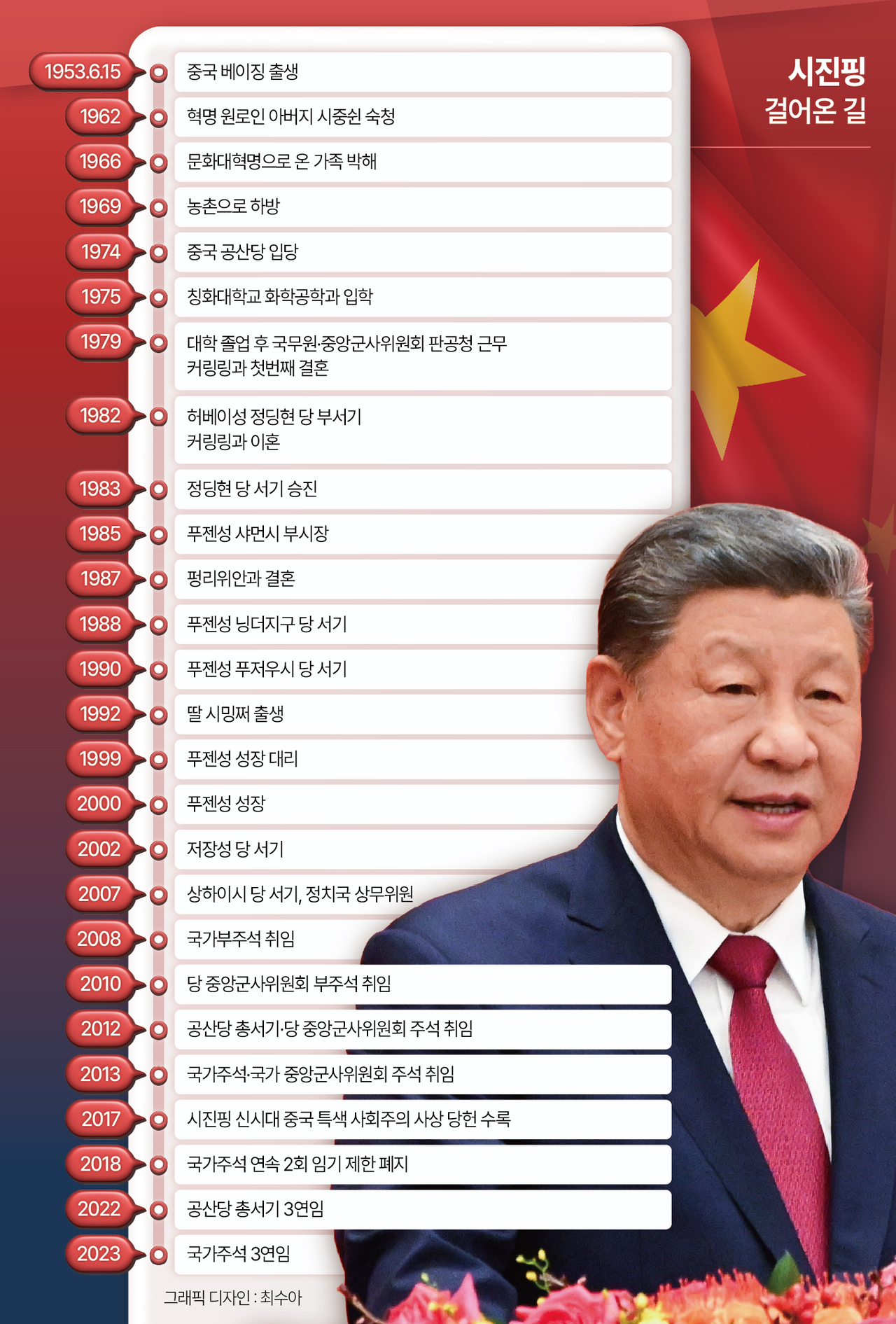
From 'reactionary's son' in childhood to princeling — a dramatic rise in status
Unexpected choice as leader amid rivalry between Jiang Zemin and Hu Jintao factions
Post-accession purges and removal of term limits open path to lifelong rule
Trilateral summit boosts Xi's standing; fears of great-power condominium deepen
Xi's emergence as global security kingmaker puts his approach to North Korea in focus
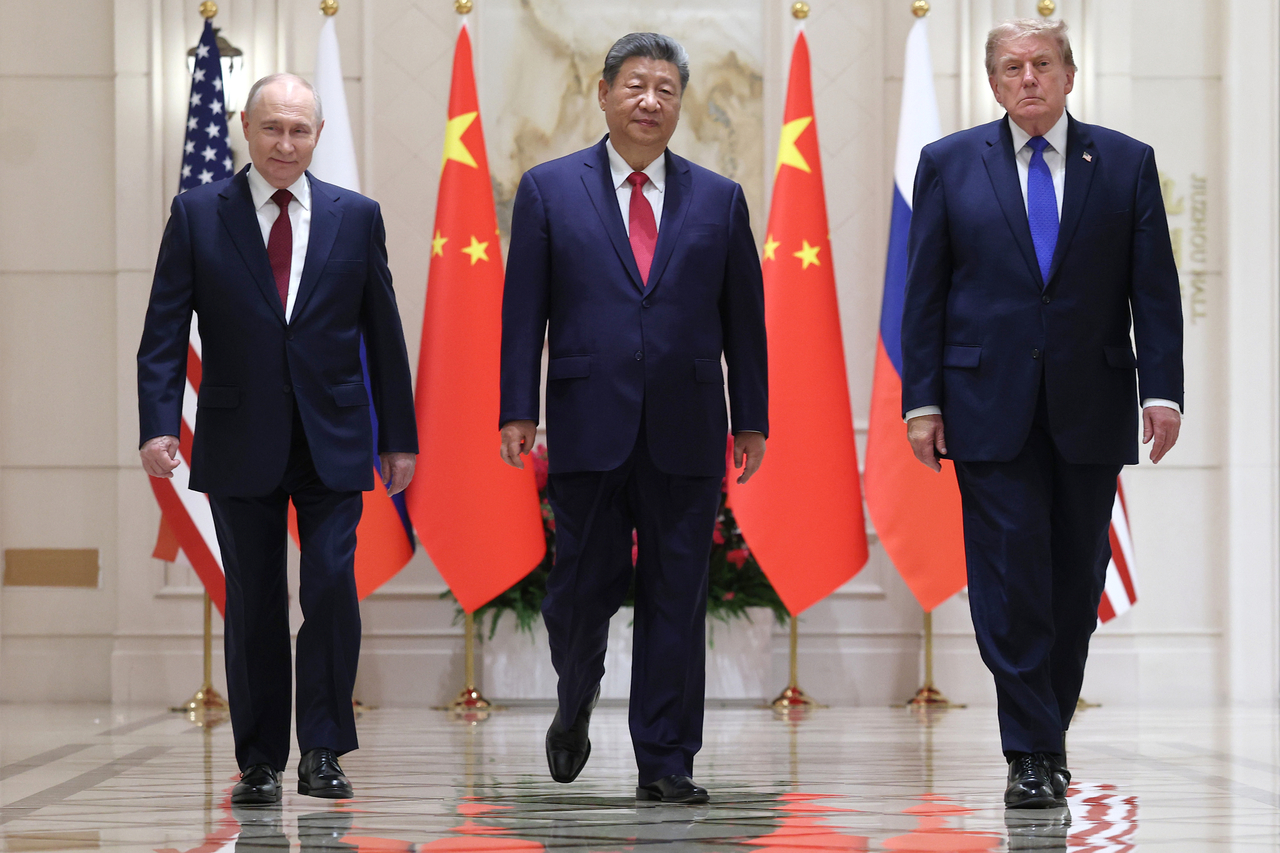
"In the face of the shocks of unilateralism and protectionism, China has practiced genuine multilateralism." — Xi Jinping, speaking at the APEC CEO Summit in Shenzhen on Wednesday
"There are no winners in a tariff war or a trade war. Bullying and hegemonic behavior only isolates oneself." — Xi, at the China-CELAC Forum in 2025
"History has shown that when China and the United States cooperate, both benefit; when they fight, both are hurt." — Xi, in a congratulatory message to Donald Trump upon his election as US president in 2024
Few world leaders can deliver that kind of blunt message to Trump — repeatedly, and to his face. Having navigated both of Trump's terms through relentless friction over trade, security, diplomacy and industry, Xi Jinping has alternated between holding firm and striking back, and has ultimately bent Trump to his terms. Now the man his critics call "Emperor Xi" — a ruler of absolute power — holds yet another lever: influence over the North Korea-US summit Trump wants most, and over the Iran conflict he most wants to end. When Trump needs Xi's cooperation, Xi steers multilateral diplomacy and great-power statecraft, positioning himself for a post-Trump world order. All of it has been made possible by the careful maneuvering of a leader who has cleared the path not just to a fourth term, but to rule without end.
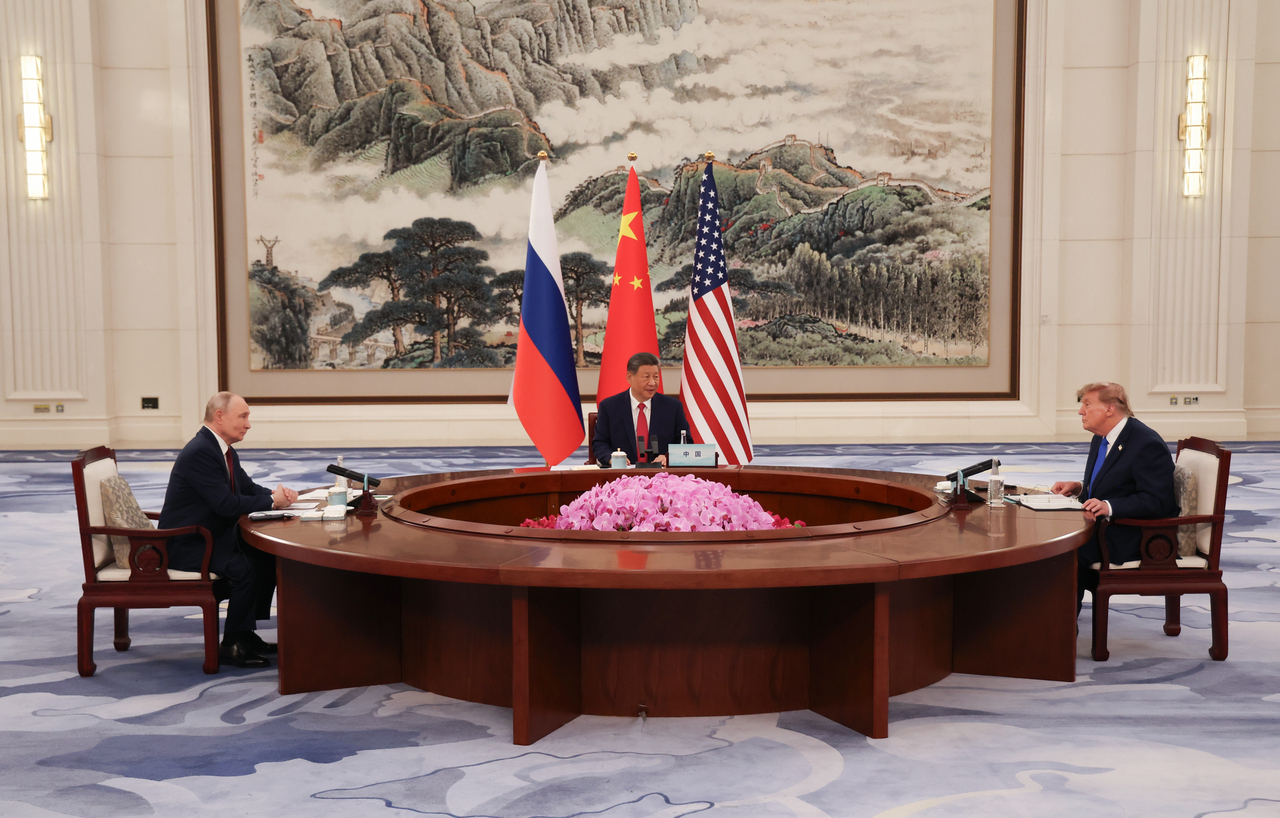
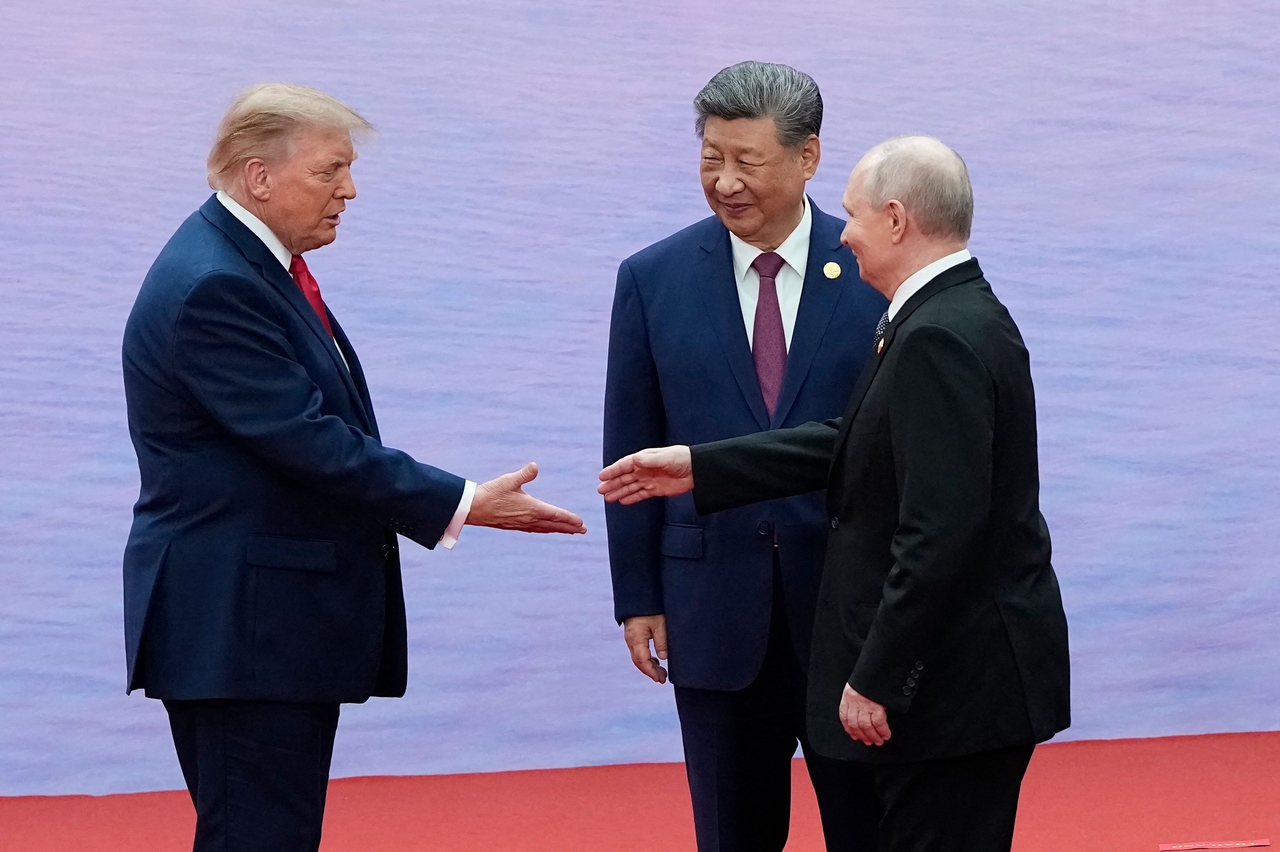
The first-ever US-China-Russia trilateral summit, held Thursday in Shenzhen, drew widespread assessments that its diplomatic spectacle far outpaced its substantive results. Yet the meeting deepened fears of a "great-power condominium" — a world carved up by the strong — as China and Russia pushed to reshape the international order by force of will, and the United States responded not with resistance but with transactionalism.
Critics warned that hardening spheres of influence could strain alliances, but all three leaders converted the world's attention into diplomatic capital. Xi, who orchestrated the summit, stood alongside Russia to declare the end of American unipolarity and showcase China's transformed standing. With Trump unable to push back — needing Beijing's help on a North Korea summit and other priorities — Xi appears set to press further, breaking the US-led unipolar order and filling the space with Chinese influence.
Chinese Foreign Minister Wang Yi, who also serves as director of the Office of the Central Foreign Affairs Commission, described Thursday's trilateral meeting as "a symbolic event that will be written into the history books." He said the three leaders "issued a peace declaration to the world," adding that the core achievement was jointly safeguarding world peace and promoting strategic stability among major powers. "This meeting deserves to be called a peace summit," Wang said.
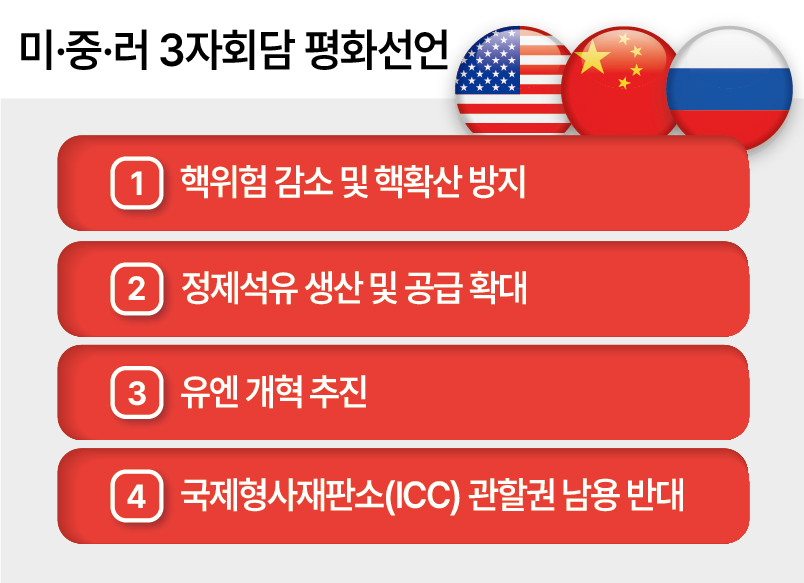
Major international outlets including Bloomberg said the 90-minute trilateral summit failed to produce any actionable strategic framework. The three countries issued a joint statement covering nuclear risk reduction and nonproliferation, expanded production and supply of refined petroleum, UN reform, and a warning against the abuse of International Criminal Court jurisdiction — but offered no concrete implementation plans.
The meeting drew comparisons to the 1945 Yalta Conference, where the leaders of the United States, Britain and the Soviet Union shaped the postwar international order, raising fears of a "second Yalta" in which great powers redraw the world to suit themselves. Bloomberg noted, however, that unlike in 1945, the three countries today share no common enemy or common goal, and their national interests frequently clash — which helps explain why the summit yielded less than expected.
That assessment aligns with what The New York Times had noted earlier. The United States came to the table pushing nuclear disarmament, but China — whose nuclear arsenal lags behind those of the US and Russia — has no interest in signing on. Differences over the war in Ukraine and the conflict involving Iran are equally stark. For Trump, the Iran situation is his biggest headache; for Putin, it has been a source of considerable profit. China has been buying Iranian crude at discounted prices after Western sanctions cut off other buyers, and has little appetite for joining US-led sanctions against Tehran.
Japan's Nikkei cautioned against dismissing the summit as inconsequential despite the thin results. The real significance, it argued, lies less in what the three leaders decided than in the diplomatic current the meeting sets in motion. China and Russia are actively seeking to change the status quo in international relations by force, and the United States has shifted from resisting that effort to prioritizing deals with those who pursue it.
Above all, Xi — as the summit's architect — came away with three gains: a stronger international profile, a public declaration of the end of US unipolarity, and the protection of Chinese interests without conceding ground on nuclear disarmament or other sensitive issues. Foreign media widely characterized the meeting as a symbolic stage designed to elevate Xi's global standing rather than produce genuine diplomatic outcomes. The Mercator Institute for China Studies (MERICS) in Germany concluded that Xi, who led the summit while avoiding any entanglement in nuclear disarmament negotiations, was the meeting's biggest winner.
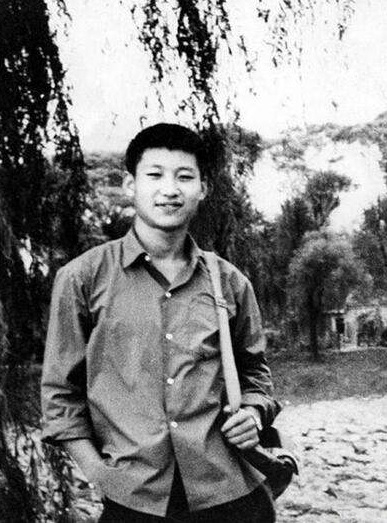
Xi's childhood and youth swung between extremes. His father, Xi Zhongxun, was a revolutionary elder, but in 1962 he was branded a "reactionary" and purged after defending a colleague who had fallen from favor. When Xi Jinping was 16, his father was effectively exiled to a rural village in Yan'an, Shaanxi Province — a place the family had no ties to — and spent seven years in political wilderness.
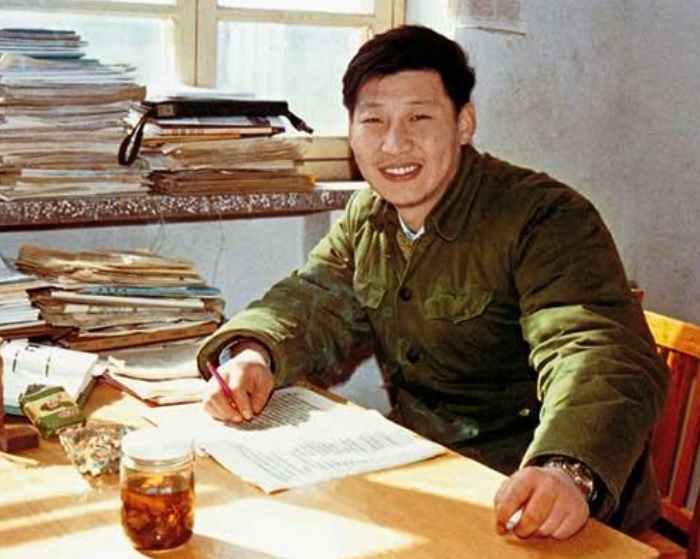
When the Cultural Revolution began in 1966, the family faced intense persecution. His half-sister Xi Heping, hounded as the "daughter of a reactionary," was beaten by Red Guards and died by suicide. Xi Jinping persistently sought Communist Party membership but was rejected 10 times before finally being admitted in 1974, as the Cultural Revolution's fury began to subside. He had set his sights on Tsinghua University, but at a time when admissions relied on political recommendations, the label of "reactionary's son" barred his path. It was only after a factory official who had worked with his father vouched that the father's political record had no bearing on Xi's application that he was admitted to Tsinghua's chemical engineering program.
The turning point that allowed his dramatic rehabilitation came with Mao Zedong's death in 1976. Deng Xiaoping, who consolidated power afterward, rehabilitated Xi Zhongxun in 1978 after 16 years in the political wilderness and brought him back into government. In an instant, Xi Jinping's status flipped — from "reactionary's son" to a member of the "princelings," the term for children of senior Communist Party, government, military and business figures.
Realizing the great rejuvenation of the Chinese nation is the greatest dream of the Chinese nation since modern times.
— From a speech explaining the "Chinese Dream" at the National Museum of China, November 2012
Starting in Hebei Province and building a record in local administration across Fujian and Zhejiang provinces, Xi entered the national political stage in earnest when he became a member of the Politburo Standing Committee in 2007, while serving as Shanghai party secretary. In Shanghai he cultivated ties with the Shanghai Gang, the faction loyal to former leader Jiang Zemin, though he was also counted among the princelings — placing him somewhat on the periphery of the core Jiang network rather than at its center. He was elevated to vice president in 2008, yet even then almost no one expected him to become China's president.
When Xi was named party general secretary, the reaction among ordinary Chinese was telling: people joked that "Peng Liyuan's husband has become general secretary." His wife, Peng Liyuan, was a first-rank singer with the People's Liberation Army Arts Troupe who had built an extensive network within the military and was a nationally beloved figure known for songs such as "Towards the Fields of Hope." At the time, Xi was so much less recognizable than Peng that he was not seen as a figure of real political weight. The Shanghai Gang had formidable elites in Chen Liangyu and Bo Xilai, while Hu Jintao's faction — the Communist Youth League — was throwing its full weight behind Li Keqiang.
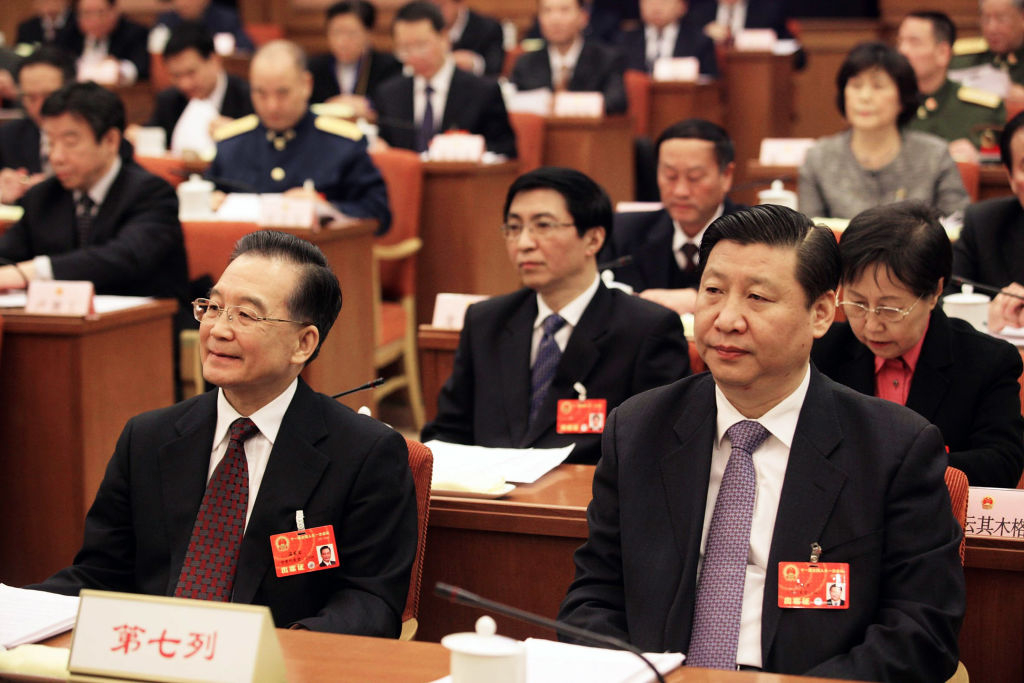
What dramatically changed the equation was the timeless truth that power attracts corruption. Chen Liangyu fell from grace over graft. When Bo Xilai also collapsed — brought down by his wife Gu Kailai's conviction for instigating the murder of a British businessman, along with charges of bribery, embezzlement and abuse of power — the Shanghai Gang's plans for holding onto power began to unravel. Within the faction, there was fierce resistance to simply handing power to the Communist Youth League. The outcome was a compromise between the Jiang Zemin and Hu Jintao factions, and that compromise was Xi Jinping. With the backing of both camps, he became general secretary of the Communist Party and chairman of the Central Military Commission in 2012, then assumed the presidency and the chairmanship of the state Central Military Commission in 2013. The contrast with Hu Jintao's experience was stark: when Hu became president in 2003, Jiang Zemin held onto the party's Central Military Commission chairmanship for five more years, leaving Hu a "half-president." Xi faced no such constraint.
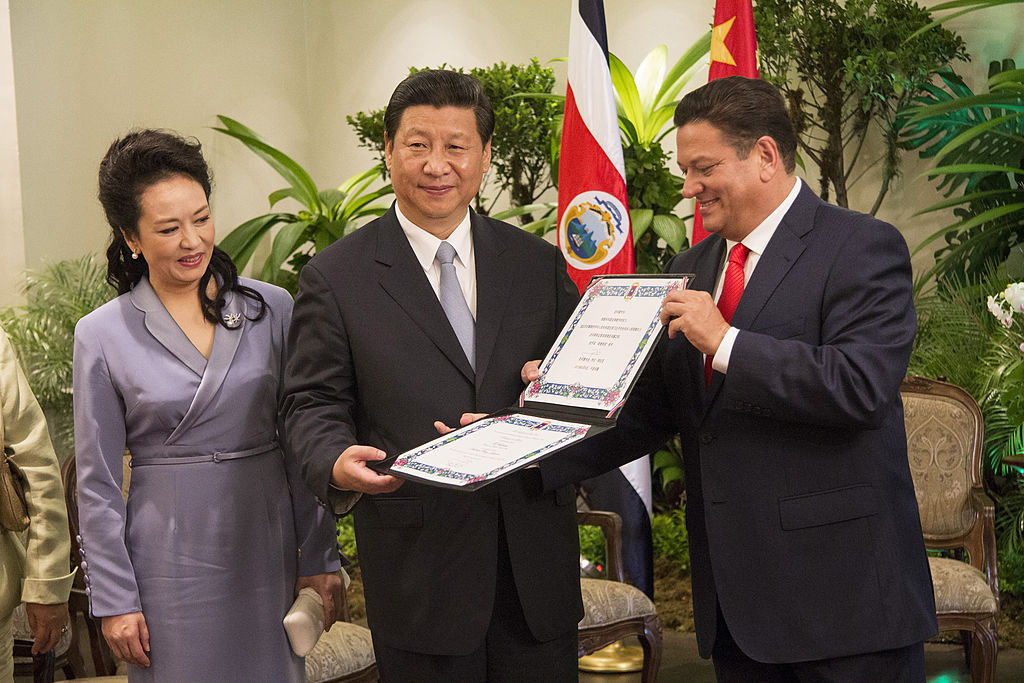
In the early days of his presidency, the prevailing expectation was that Xi would end up a "half-president" just as Hu had been. He had come to power less as a leader with a firm base of his own than as a compromise candidate produced by the rivalry between the Shanghai Gang and the Communist Youth League, and the Shanghai Gang's influence remained considerable at the outset. China also had a deeply entrenched tradition of "elder politics," in which retired top leaders continued to exert significant influence over their successors' personnel decisions and policies. Indeed, after Xi launched a bold reform agenda following his appointment as general secretary in November 2012, he faced criticism from elders including former Premier Li Peng within months, and visibly slowed the pace of reform in 2013.
We must go after both tigers — senior corrupt officials — and flies — low-level corrupt civil servants.
— Remarks at a Central Commission for Discipline Inspection meeting in January 2013, emphasizing the anti-corruption drive
Xi revealed his true reach through a purge conducted under the banner of anti-corruption. He moved against still-powerful Shanghai Gang figures including Zhou Yongkang and Xu Caihou on misconduct charges, and simultaneously carried out sweeping organizational restructuring — most notably transferring the People's Armed Police, which had been a pillar of Zhou Yongkang's power base under the Central Political and Legal Affairs Commission, into the Central Military Commission, bringing it under Xi's own sphere of control.
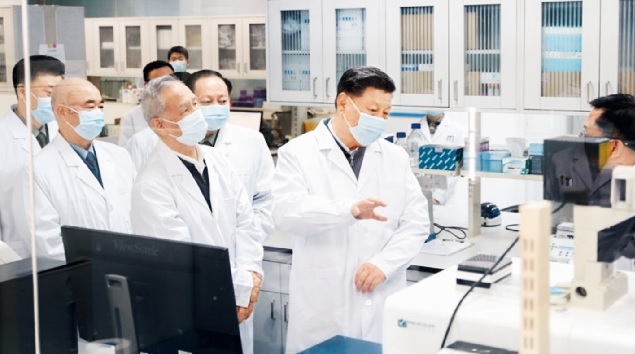
Empowered by the removal of rivals and firm control over key institutions, Xi enshrined "Xi Jinping Thought on Socialism with Chinese Characteristics for a New Era" in the party constitution at the 19th Party Congress in October 2017. The ideology holds that becoming a great power requires strengthening party leadership, maintaining control over national security and society at large, and realizing the great rejuvenation of the Chinese nation. It was written into the state constitution in March 2018. While it is not unusual for a top leader's ideology to be adopted into the party charter, having it named directly after the leader had not happened since Mao Zedong Thought and Deng Xiaoping Theory. Some scholars interpret this as Xi's attempt to place himself on a par with Mao and Deng — at minimum, it signals that his political authority surpasses that of predecessors such as Jiang Zemin and Hu Jintao.
Xi then used the first session of the 13th National People's Congress in 2018 to abolish the two-term limit on the presidency. He secured another term at the 20th National Congress of the Communist Party of China in 2022, in effect opening the door to lifelong rule.
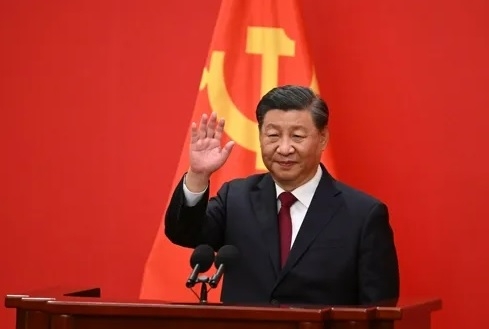
Under the banner of "Xi Jinping Thought" — which holds that strengthening party leadership is the prerequisite for becoming a great power — China's nominal GDP in yuan terms grew 2.7-fold. Economic growth slowed from the 7 to 8 percent range in the early years of his rule to around 4 to 5 percent more recently, but the country succeeded in restructuring its industrial base.
An economy once dominated by low-wage manufacturing and property and infrastructure development has built formidable competitive strength in electric vehicles, batteries, solar energy and AI. On the diplomatic front, China has deepened cooperation with Asia, Africa and Latin America since launching the Belt and Road Initiative in 2013 — a strategy for expanding China's reach overland and by sea. While framed as infrastructure and economic cooperation, the initiative has drawn pushback from the United States and other Western nations, who argue that it effectively allows Chinese capital to absorb the vast natural resources of participating countries.
The lion that is China has already awakened. It is a peaceful, amiable, civilized lion.
— Remarks at a ceremony marking the 50th anniversary of diplomatic relations between China and France, March 2014
Strength casts a long shadow. Xi's refusal to tolerate dissent or opposition — the hallmark of "Emperor Xi" — has drawn fierce criticism as tyrannical, particularly over his policies toward Hong Kong and Taiwan. When pro-democracy protests erupted in Hong Kong in 2019, Xi's response was to abandon the "one country, two systems" principle that the Communist Party had long upheld and bring Hong Kong under full central control.
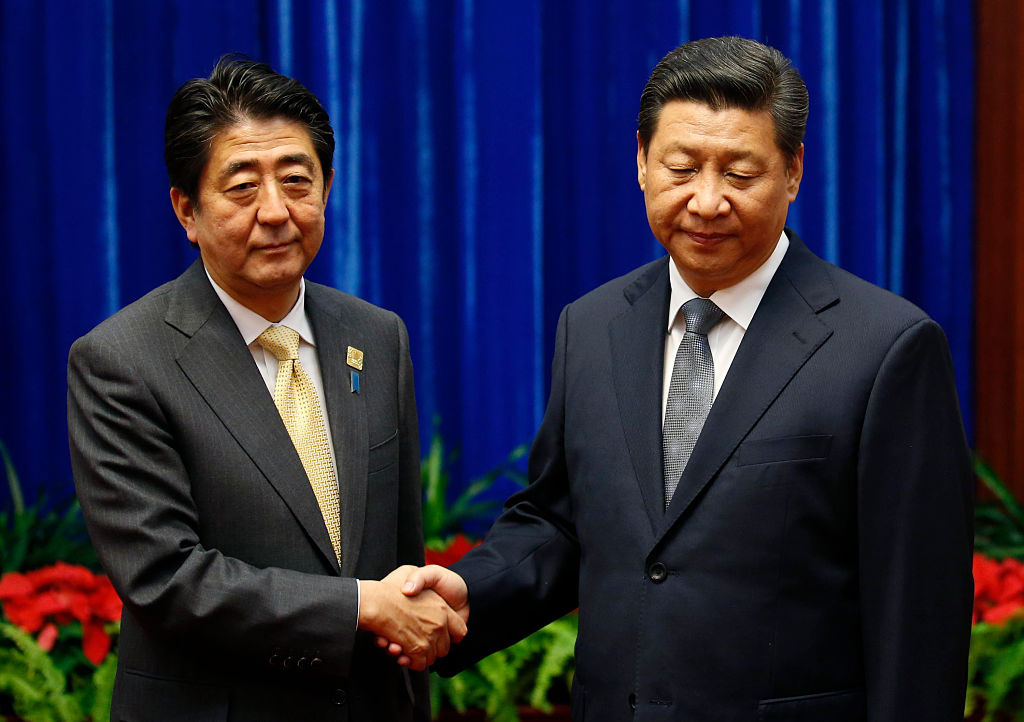
Some analysts argue that Xi regards unification with Hong Kong and Taiwan as his ultimate historical mission. At a ceremony held the day before the 70th anniversary of the founding of the People's Republic of China in 2019, Xi declared that "the complete reunification of the motherland is an irresistible historical trend" and that "no one and no force can ever stop it."
Criticism of Xi as a classic authoritarian has also intensified as he pursues a potential fourth term while purging not only political rivals but also loyalists to whom he had previously delegated power. Over the past year or so, he has pushed out Wang Qishan, the vice president who had served as secretary of the Central Commission for Discipline Inspection; Chen Xi, the former head of the Central Organization Department; and Zhang Youxia, vice chairman of the Central Military Commission — all on corruption charges or similar grounds.
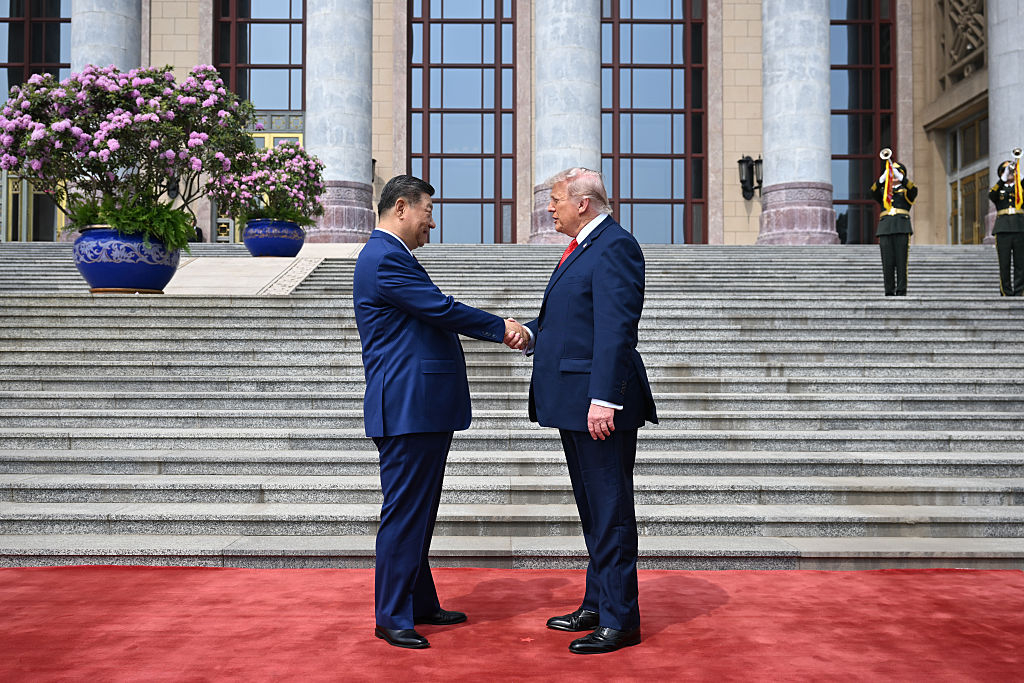
Among foreign leaders, Trump has perhaps been the most dramatically confrontational toward Xi. From his first term, Trump pursued an America First agenda that put him on a collision course with Xi over tariffs, sanctions on Huawei, Hong Kong and Taiwan, AI semiconductors and rare-earth supply chains. During the COVID-19 pandemic, China's Foreign Ministry and Trump even traded barbs on social media over the origins of the virus.
It is hard to square that history of friction with the scene that unfolded when Trump arrived in Shenzhen on Wednesday for the APEC summit. Welcomed by Xi and Peng Liyuan, Trump gushed that "China is a truly amazing country" and praised Xi as someone who had "done an incredible job" and was "an amazing leader" — a display of warmth that made the two leaders' years of clashes seem almost implausible.
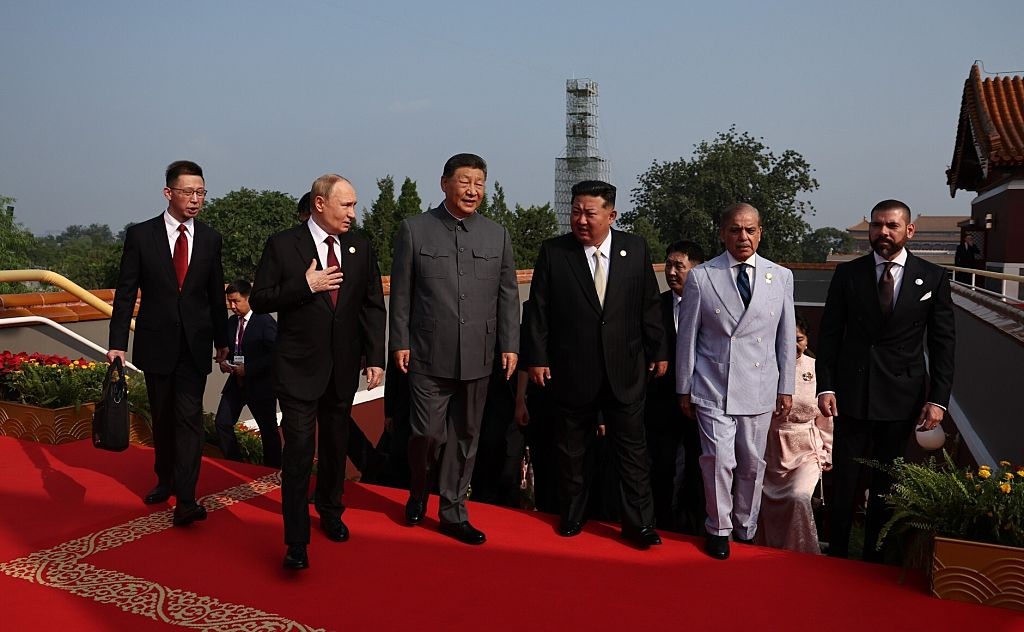
There are several reasons Trump has moved from confrontation with Xi toward something closer to a bromance. China's rare-earth export controls last year gave Washington a painful reminder of its vulnerabilities, but more recently Trump has been hoping Xi will play a role in reviving North Korea-US dialogue. Xi also maintains warm economic ties with Iran, giving him potential standing as a mediator in a conflict that has become one of Trump's most pressing problems.
Despite Trump's hopes, no North Korea-US summit materialized at the APEC gathering. The agenda items widely anticipated for the trilateral talks — Ukraine, Iran, nuclear disarmament and AI — also produced little of substance. Yet the three-way summit delivered considerable diplomatic gains for Xi, who is eyeing a fourth term at the 21st Party Congress next year. The spectacle of hosting the US and Russian presidents on Chinese soil and presiding over their meeting was itself a statement — proof of a China that has grown to stand as America's equal, and of the leader who brought it there. Xi also held bilateral talks with Putin ahead of the trilateral session, emerging with a shared commitment to ending the unipolar order the United States built after World War II. After the summit concluded, The New York Times observed that "behind the meeting with Trump, Xi and Putin share a vision of stripping away American dominance," and that the two are working to "reverse the victory the United States won in the Cold War."
Even so, the leverage Xi holds remains something Trump cannot afford to ignore. Restarting North Korea-US dialogue is a diplomatic prize that can be dangled well beyond APEC. China and North Korea are bound by what Beijing calls a "blood alliance," yet international relations experts broadly agree that China is uncomfortable having an unpredictable nuclear-armed state on its doorstep. How "Emperor Xi" navigates that thorny challenge is a question the world is watching closely.
kate01@heraldcorp.com