First district in Seoul to roll out policy across all departments, citing privacy concerns and fairness in access to services
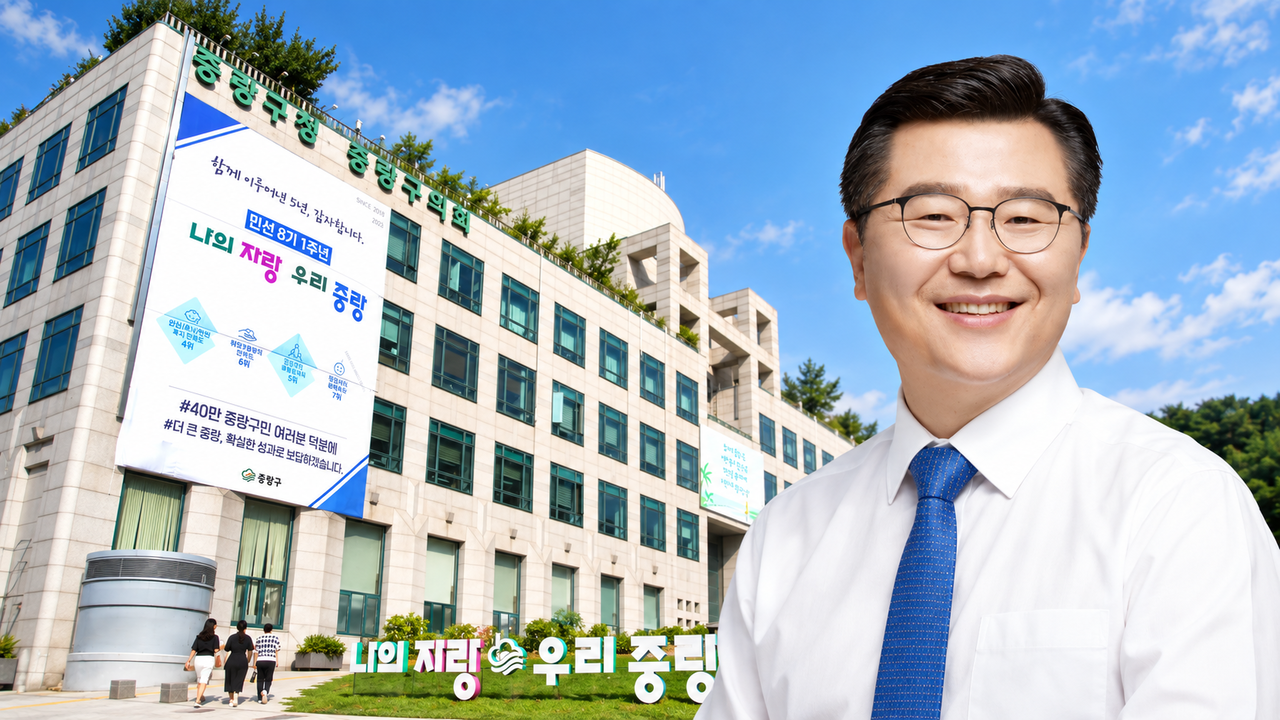
Seoul's Jungnang-gu has established guidelines for handling so-called AI proxy calls — where an AI assistant dials a government office on a user's behalf — and will apply them across all departments. It is the first autonomous district in Seoul to adopt an official policy on the practice, as AI-powered call services grow more widespread.
Jungnang-gu announced it has drawn up the guidelines and will enforce them district-wide.
The move aims to reduce confusion at the point of service, protect personal information and ensure equitable access to consultations as AI proxy calling becomes more common. The core principle is straightforward: once a call is identified as AI-generated, staff will not proceed with the inquiry regardless of its content, will instruct the caller to have the actual resident contact the office directly, and will then end the call.
Employees are directed to say, "We are unable to provide consultation through AI. Please contact us directly," before terminating the call.
The district cited concerns about potential misuse, including identity theft, noting that it is difficult to verify whether an AI proxy call has actually been authorized by the person it claims to represent. Officials also considered the possibility that repeated AI questions or prolonged call times could increase wait times for residents who call in themselves.
Existing guidelines for ending calls were built around abusive or threatening behavior, leaving no clear framework for AI proxy calls — a gap the district said needed to be addressed. There is also the risk that if a complaint is mishandled due to an AI recognition error or a breakdown in information relay, responsibility among the user, the AI service provider and the district office could become unclear.
The guidelines are not intended as a permanent ban on AI proxy call services. The district said it will revisit the policy if the Ministry of Interior and Safety establishes common national standards or if technology advances to the point where authorization by the actual user can be reliably verified.
In addition, the district plans to survey all departments on the number of AI proxy calls received, the types of inquiries involved and any difficulties encountered during those interactions, in order to build a clearer picture of the situation on the ground.
District Mayor Ryu Gyeong-gi said AI assistants could prove useful for elderly residents who have difficulty making phone calls, people with disabilities and workers who cannot find time during the day, but added that protecting residents' personal information and ensuring fair access to consultations must come first for now. "Once the relevant technology matures and conditions are in place to verify user authorization, we will review the guidelines flexibly with residents' interests in mind," Ryu said.
seouldream01@heraldcorp.com