The State Department plans to issue a limited run of specially designed passports featuring Donald Trump's portrait and signature, distributed on a first-come, first-served basis in Washington — the latest in a series of moves to stamp the president's image on national symbols.
The US government's plan to issue a limited-edition passport featuring President Donald Trump's portrait and signature is drawing political fire, as critics question whether it is appropriate to place a sitting president's image on an official national document marking the country's 250th anniversary.
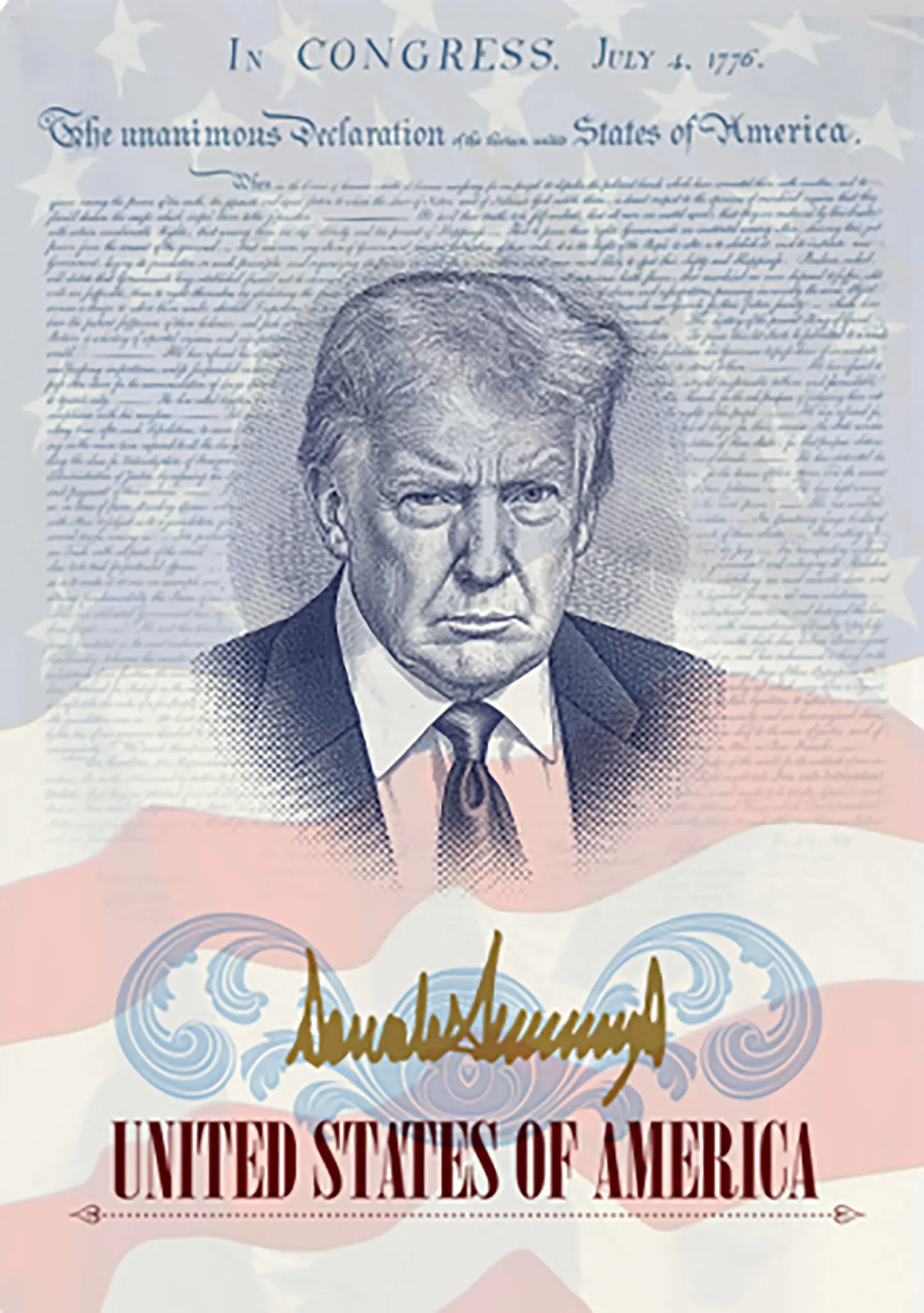
The State Department announced Monday that it would begin issuing a "specially designed" US passport in limited quantities starting this summer. The passports will be distributed on a first-come, first-served basis to American citizens who apply at the Washington Passport Agency, at no additional cost. The department said it would continue issuing them until supplies run out.
The released design mockup includes Trump's portrait and a signature in gold ink. The State Department described the design as featuring "custom artwork and enhanced imagery," but has not disclosed how many passports will be printed or how widely they will be distributed. Some analysts have characterized the passports as essentially commemorative products whose appeal rests on scarcity.
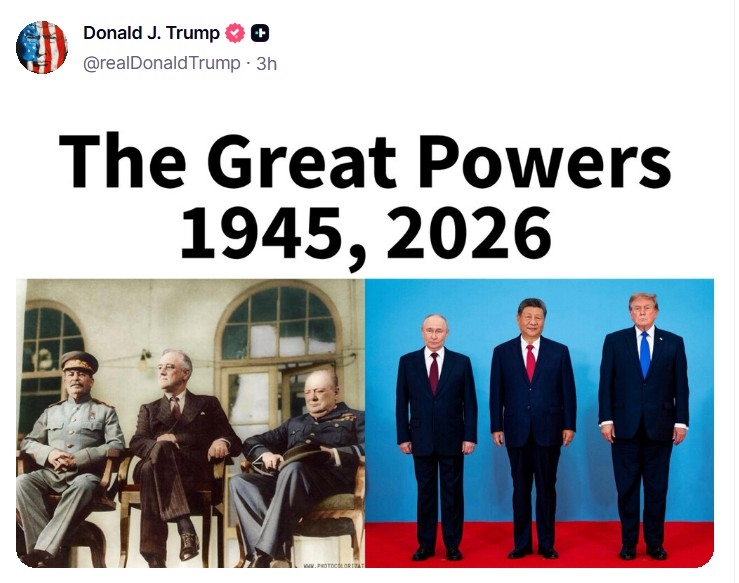
The move fits a broader pattern in which the Trump administration has worked to embed the president's name and image in major national symbols and public projects. Earlier proposals included adding a presidential signature to dollar bills and minting gold coins bearing Trump's portrait. His image has also appeared on national park pass designs, and a number of policy programs have been rebranded with the Trump name.
The trend has fueled a debate over what critics call "symbolic politics." Some view it as a legitimate effort to stamp the administration's identity on national commemorations, while others argue it amounts to using public symbols for personal branding. The controversy is particularly sharp around passports, which serve as the primary official document establishing national identity.
Several similar initiatives have already ended up in court. Attempts to rename cultural facilities in Washington and attach the president's name to public institutions have triggered lawsuits and deepened political tensions. Some experts have warned that the political neutrality of public assets could be compromised.
Reactions in Washington have split along party lines. Some Republicans have praised the passport as a fitting symbolic gesture for the 250th anniversary, while Democrats have accused the administration of exploiting a national commemoration for personal promotion. The dispute is expected to intensify as next year's political calendar approaches.
Potential diplomatic repercussions have also been raised. A passport is an official document representing a country abroad, and questions have emerged about how foreign governments and institutions might respond to one that prominently features a specific politician's image — a departure from the international norm of centering passport designs on national symbols and history.
The State Department, however, has pushed back against the political framing. A spokesperson said the design was intended "to celebrate America's history and heritage," adding that a range of commemorative projects are underway to mark the 250th anniversary of the nation's founding.
sjy@heraldcorp.com