
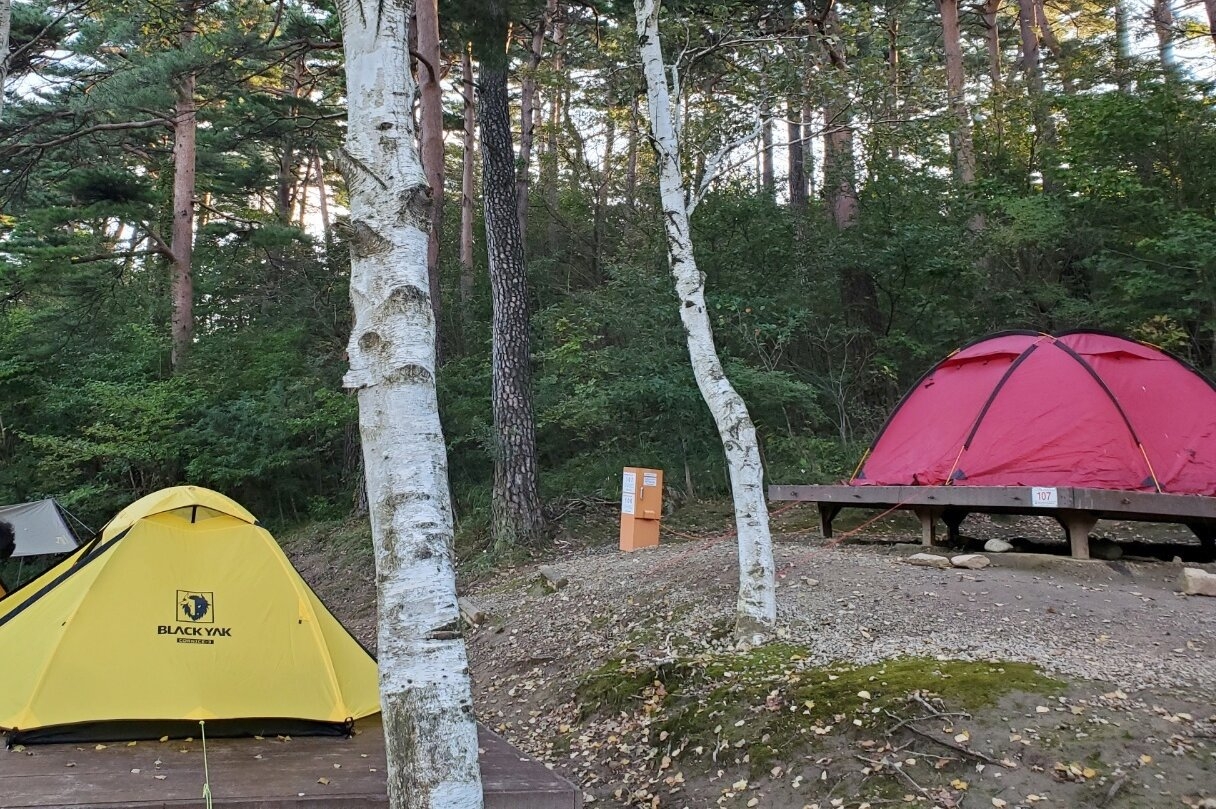
The origin of barbecue meat served at campsites is often difficult to trace. Rather than letting visitors bring their own meat, most campsites and other suppliers sell it as part of a set package — complete with lettuce and doenjang, a fermented soybean paste — at a fixed price per person. It remains one of the few blind spots left in South Korea's meat hygiene oversight.
Gangwon Province announced Tuesday that it has launched a crackdown on livestock product and food hygiene violations at pensions, glamping sites, nearby businesses handling livestock products, and barbecue restaurants with a camping concept. The campaign runs through July 10 and comes as authorities expect a surge in livestock product consumption with the rise in outdoor activities during summer.
The crackdown aims to close hygiene management gaps that widen during the summer peak season, cut off the retail of substandard livestock products before violations occur, and create a safer food environment for consumers.
Inspectors will focus on five areas: unregistered business operations, compliance with hygiene management standards, adherence to operator obligations, false labeling of country of origin, and compliance with food labeling requirements.
Gangwon Province said it will take strict action against any violations of the Livestock Products Sanitation Control Act, the Food Sanitation Act, and other relevant laws uncovered during the crackdown.
Cases subject to criminal punishment will be referred to prosecutors after investigation, while businesses facing administrative sanctions such as suspension of operations will be reported to the relevant city or county authorities.
"We will proactively block the retail of substandard livestock products at major tourist destinations this summer so that residents and tourists can consume meat with confidence," said Kim Ju-hwan, head of the social disaster division at Gangwon Province. "We will continue to strengthen inspections to ensure food safety and establish a fair retail order."
abc@heraldcorp.com





