
Global pharma giant signs $500M MOU with government, strikes back-to-back technology deals with Hanmi and Samsung Biologics, raising hopes for a virtuous cycle of domestic startup growth
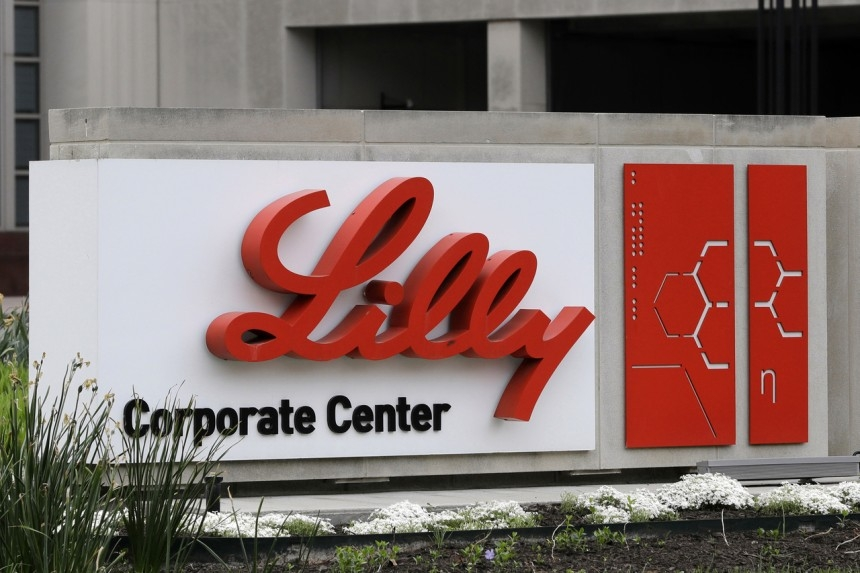
Eli Lilly, the global pharmaceutical powerhouse that dominates the obesity and metabolic disease treatment market, has designated South Korea as a core R&D hub for Asia, unleashing a wave of sweeping investments and mega deals.
From a government investment pledge to partnerships spanning traditional pharmaceutical companies, biotech ventures and contract development and manufacturing organizations, Lilly's string of alliances signals that South Korea's biotech industry has fully arrived on the global stage of drug development.
Industry sources said Monday that Lilly closed multiple trillion-won-scale technology licensing deals, equity acquisitions and open-innovation co-development agreements with Korean companies in the first half of this year. The push began with a strategic government partnership: on March 9, Lilly signed a memorandum of understanding with the Ministry of Health and Welfare, committing to invest $500 million (about 740 billion won) in South Korea's biotech ecosystem over the next five years. The roadmap centers on expanding domestic clinical trial recruitment and corporate social responsibility programs, as well as bringing Lilly's advanced bioventure incubation platform to Korea.
The investment took concrete shape through a landmark alliance with Samsung Biologics. In March, Lilly announced it would partner with Samsung Biologics to establish Lilly Gateway Labs (LGL) within the second bio campus in Songdo, Incheon, targeting completion in July 2027. South Korea is the first country where Lilly has built an incubation hub in collaboration with a local company.
The Korean LGL site will be Lilly's second location outside the United States, after China, and will accommodate up to 30 early-stage biotech startups — at the seed and Series A rounds — providing direct R&D support. Lilly will supply its R&D infrastructure and mentoring, while Samsung Biologics will offer broad support to resident companies drawing on its world-class CDMO capabilities. Samsung Biologics will also separately establish an industry development fund worth 25 billion won.
Lilly's partnership push has translated directly into Korean pharmaceutical and biotech companies securing key pipeline assets. Hanmi Pharmaceutical signed a technology licensing agreement with Lilly on June 1 for sonepeglutatide, a candidate treatment for short bowel syndrome, a rare disease. The deal includes a confirmed upfront payment of $75 million (about 112.9 billion won), with total deal value reaching up to $1.26 billion (about 1.9 trillion won) upon achievement of milestone targets.
In May, Lilly agreed to acquire GC Biopharma's US affiliate Curevo outright for up to $1.5 billion (about 2.25 trillion won), securing global rights to a next-generation shingles vaccine candidate. The proceeds from GC Biopharma's equity transfer alone amounted to approximately 459.9 billion won.
In December last year, Lilly entered an open-innovation agreement with bioventure Medigen to co-develop an obesity treatment candidate through to clinical trials. Its collaboration with OliX Pharmaceuticals on treatments for metabolic dysfunction-associated steatohepatitis and obesity — a deal worth roughly 911.7 billion won signed in February 2025 — also continues this year.
ABL Bio signed a technology licensing and joint R&D agreement with Lilly in November last year for its IGF1R-based blood-brain barrier platform Grabody-B. The total deal value stands at $2.602 billion (about 3.8072 trillion won), with ABL Bio receiving approximately 80.5 billion won, including a $40 million upfront payment and a $15 million equity investment.
Industry observers attribute Lilly's aggressive spending in South Korea to the "technological maturity" of the country's biotech ecosystem. Where Korea once served merely as a manufacturing base for contract cell line production, analysts say it has successfully reinvented itself as a core R&D hub capable of independently supplying differentiated first-in-class drug candidates and platforms in obesity, metabolic disease and rare disease — fields poised to lead global markets.
"The startups that emerge from Lilly Gateway Labs in Songdo will go on to lead major follow-on deals with global pharmaceutical giants, completing a virtuous cycle ecosystem," an industry official said.
silverpaper@heraldcorp.com





