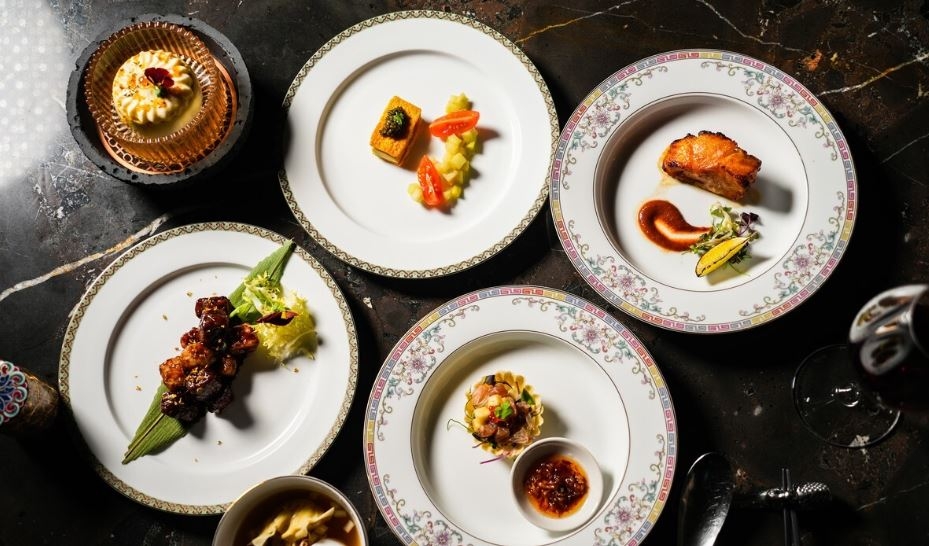
The omakase craze — once celebrated as the defining "small luxury" of Koreans in their 20s and 30s, with meals routinely asking 100,000 won ($66) or more per person — is cooling rapidly.
According to Naver DataLab, search volume for "omakase" peaked at an index score of 100 in January 2023 and has fallen steadily since, dropping to 15 last month. That represents an 85 percent plunge in roughly three years, putting current interest below even pre-COVID levels recorded in May 2019, when the index stood at 20.
The reservation platform Catch Table tells a similar story: "Japanese omakase" topped its dining category rankings in both 2023 and 2024 but fell off the chart entirely last year.
Closures have followed. According to the Ministry of Interior and Safety, 2,593 Japanese restaurants — a category that includes omakase establishments — shut down between 2023 and May this year. That figure far exceeds the number of Chinese restaurants (1,821) and cafes (624) that closed over the same period.
Industry observers point to sustained inflation and weakening consumer spending as the main causes. The consumer price index stood at 119.92 (base year 2020 = 100) last month, up 3.1 percent from a year earlier, according to the Korean Statistical Information Service. As dining-out costs climb, analysts say more consumers are gravitating toward affordable alternatives rather than omakase meals that can run hundreds of thousands of won.
Just a few years ago, omakase was a defining spending trend among younger Koreans. The pattern was distinctive: university students ate cheaply at school cafeterias and office workers relied on company canteens for daily meals, yet both groups would splurge on omakase — often more than 100,000 won per head — for special occasions.
Foreign media took notice of the phenomenon at its height. Japan's Daily Shincho ran a 2023 article headlined "Japan's omakase is trending in Korea," describing omakase as "a symbol of luxury for young Koreans" and noting that reservations were typically made for birthdays, Christmas and first dates.
The reporter who wrote the piece visited a Seoul omakase restaurant in February 2023 and found that most diners were couples in their 20s and 30s. Despite lunch prices of around 130,000 won and dinner prices of around 250,000 won per person, the restaurants remained packed — a phenomenon the article attributed to Korea's anniversary dining culture and the desire to showcase experiences on social media.

rainbow@heraldcorp.com