
Oh's reelection seen as securing organizational stability and policy continuity, with senior officials and staff widely expected to have backed the incumbent mayor
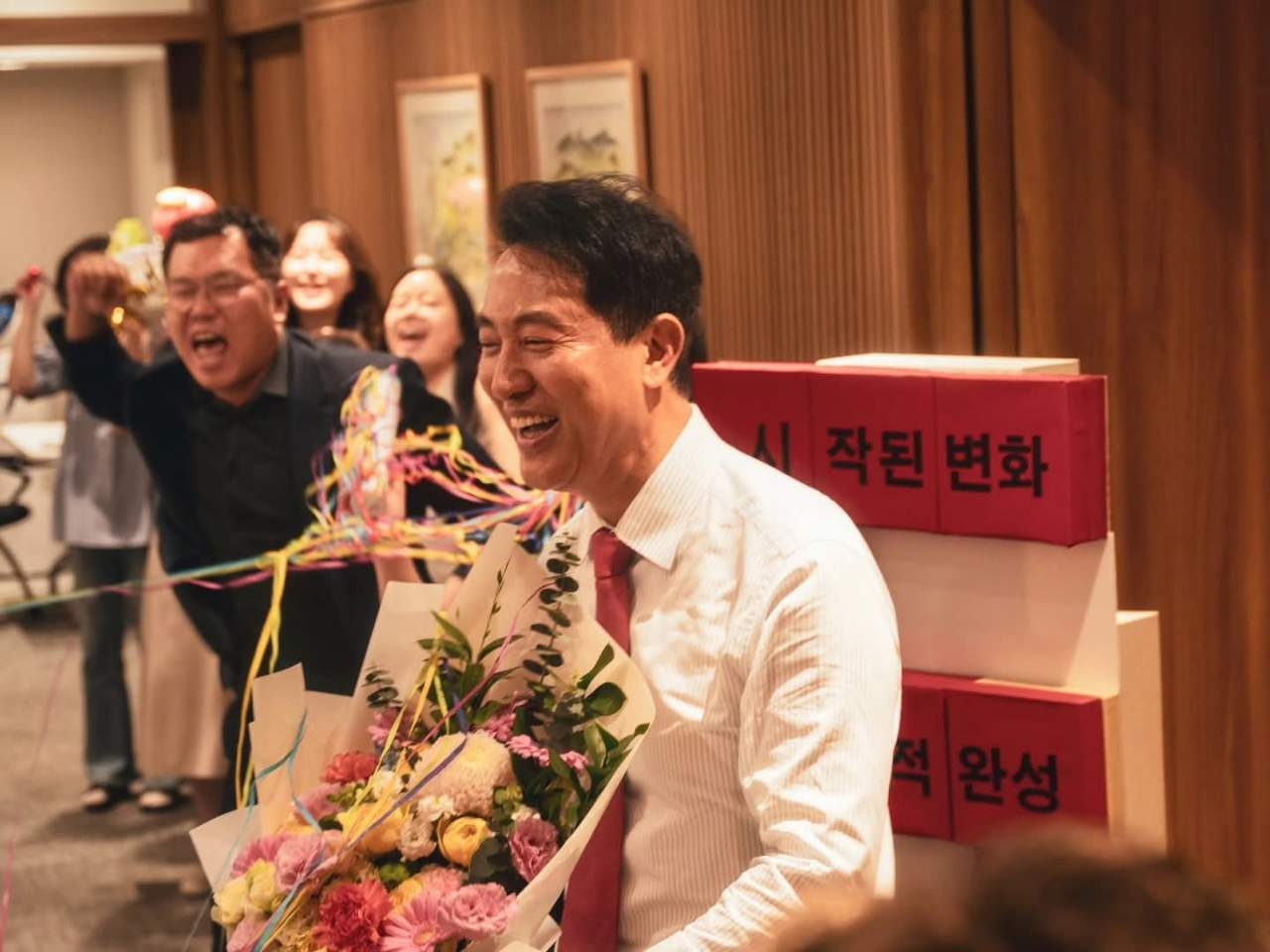
"Most of the senior officials and staff at Seoul City Hall probably supported Mayor Oh Se-hoon."
That was the carefully worded assessment a senior Seoul Metropolitan Government official recently shared with a reporter.
The Seoul mayoral race in the June 3 local elections was one of the most fiercely contested in recent memory. Oh, seeking an unprecedented fifth term, faced off against Jeong Won-oh, a three-term district mayor, in a battle for control of the capital.
The election carried stakes that went well beyond a simple win or loss — it was directly tied to the future direction of the Seoul city government as an organization. For Oh, it meant the chance to become the first five-term Seoul mayor in the country's history. For Jeong, it was the defining moment of his political career: a leap from district-level administrator to regional government head.
Early in the race, Jeong held a commanding lead, buoyed by strong party support. As election day approached, both camps consolidated their bases and the contest tightened considerably. The mood inside Seoul City Hall was no exception.
From the perspective of city civil servants, Oh is the leader they have worked under for more than five years. They know his management style, policy priorities and decision-making approach firsthand. Jeong, by contrast, had administrative experience as Seongdong-gu district mayor but was a relative unknown within the broader Seoul city organization.
For that reason, analysts say, a significant number of civil servants likely favored the incumbent's reelection — not necessarily out of policy preference, but out of a desire for organizational stability.
"There was a palpable sense of relief that Mayor Oh was coming back," one senior city official said. "Above all, many staff were glad that major ongoing projects would be able to continue without interruption."
Seoul has pursued a wide array of large-scale initiatives during the current eighth elected term — Han River development, urban spatial innovation, social welfare programs and transportation system overhauls among them. Within the civil service, there were concerns that a change in leadership could force a review of key projects or trigger an organizational restructuring.
Some staff also recalled the internal turmoil that followed past leadership transitions, when policy priorities shifted abruptly. A new mayor's arrival typically brings changes not only to policy direction but also to key advisers and the way the organization is run.
For those who lived through the era of the late Mayor Park Won-soon — when civic groups and union-aligned figures in effect took over large parts of city hall, causing considerable disruption — the anxiety was particularly acute.
Civil servants are, of course, bound by a duty of political neutrality, and it is impossible to draw firm conclusions about how any individual voted. However, public administration experts generally note that members of any organization tend to favor familiar leadership and policy continuity — a psychological pull that likely shaped the mood inside city hall.
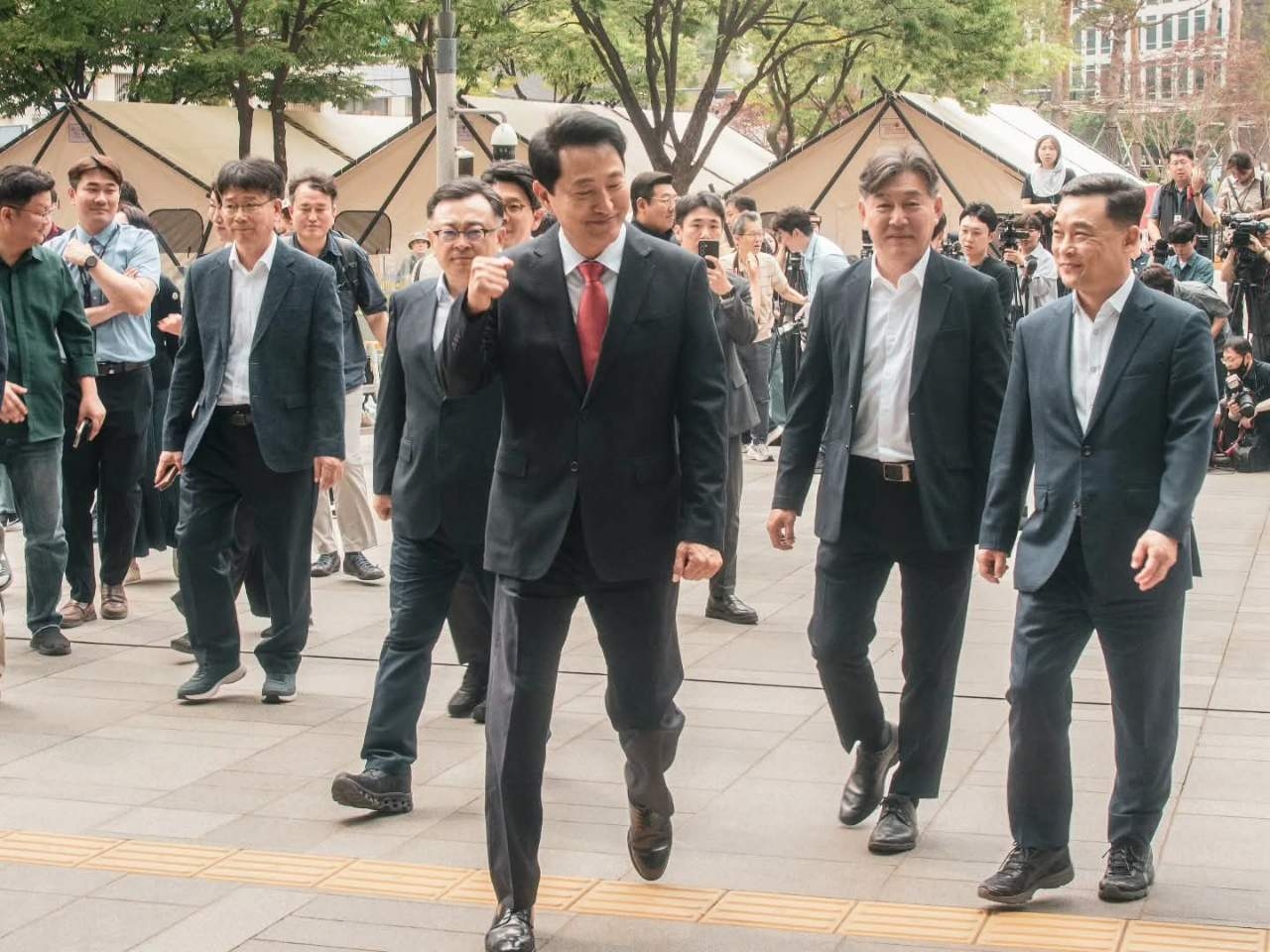
The election result left another lesson: the head of a public organization must earn not only the trust of citizens but also the confidence of the people who work within it.
Beyond Seoul, several district mayors who won second or third terms in the local elections are also being credited with victories built on open communication with staff, fair personnel management and a track record of organizational stability.
Ultimately, elections are decided by citizens — but the success or failure of governance is shaped by the organization behind it. The Seoul mayoral race has again shown that a leader who wins the trust of those within the institution is also more likely to win the trust of the public.
seouldream01@heraldcorp.com





