Classical performances in Daegwallyeong, Daehangno and Jamsil
The 23-year-old 'elder statesman': PyeongChang Daegwallyeong Music Festival
'Lumières de France' theme anchors July Festival
World-class masters converge for Classic Revolution
Different philosophies, scales and repertoires —
yet all three share one question:
where does music come from, and how does it endure?
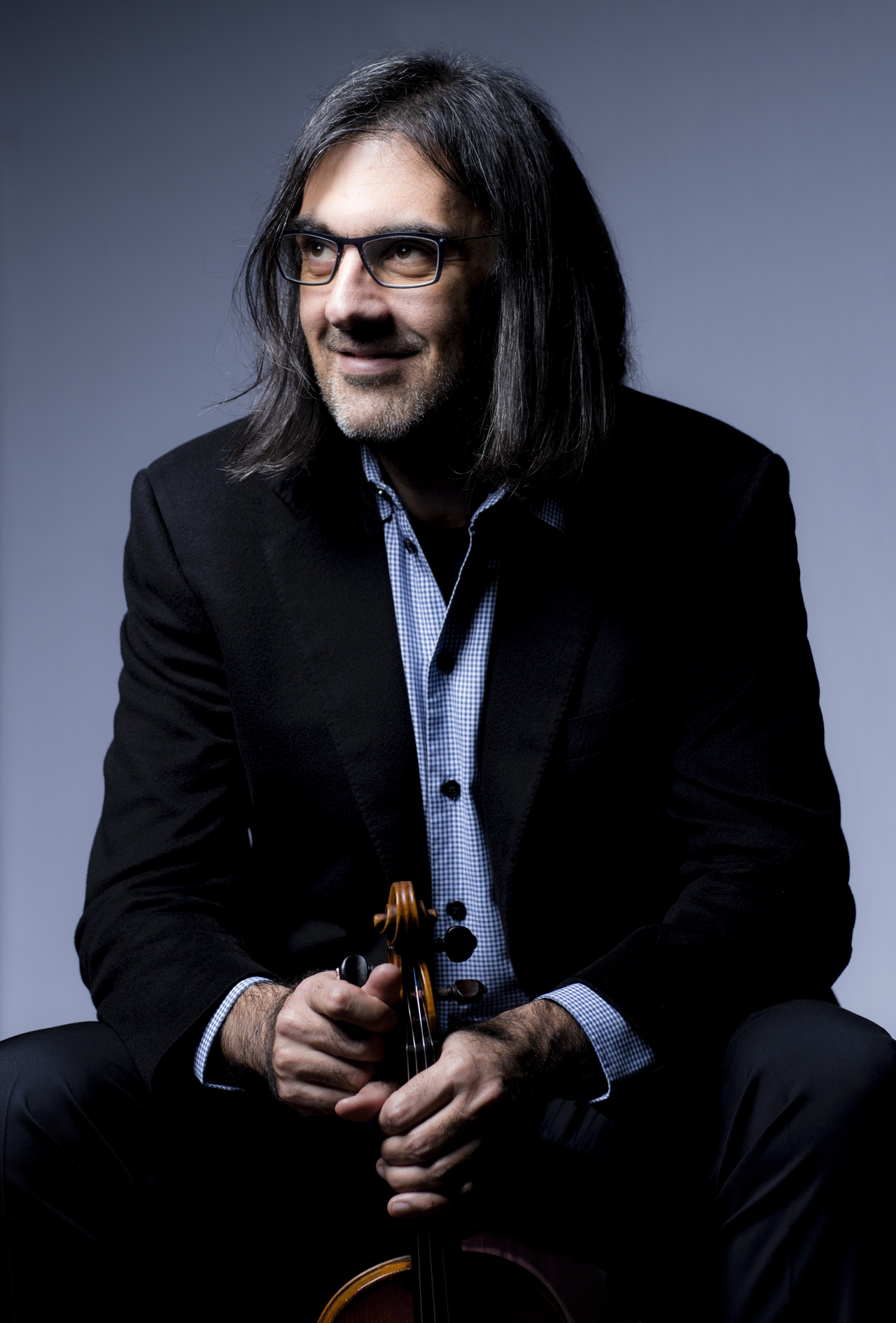
![Violinist Leonidas Kavakos performs at the summer music festival Classic Revolution. [Lotte Concert Hall]](https://wimg.heraldcorp.com/news/cms/2026/06/12/news-p.v1.20260610.c7b6c8f23fc1463182ddf58f41623cbe_P1.jpg)
"Where does music come from, and how does it endure?"
The classical music world is buzzing this summer. From the highland plateau of Daegwallyeong in Gangwon Province to an intimate salon in Seoul's Daehangno and on to the city's premier concert hall in Jamsil, three festivals are each asking, in their own way, about the origins and possibilities of music. The PyeongChang Daegwallyeong Music Festival, the July Festival and Classic Revolution differ in philosophy, scale and repertoire — yet all three share a single question.
PyeongChang Daegwallyeong Music Festival: innovation requires inheritance
"Rather than a star system and music that earns a solitary standing ovation, we want to pursue music in which we are all absorbed into something pure."
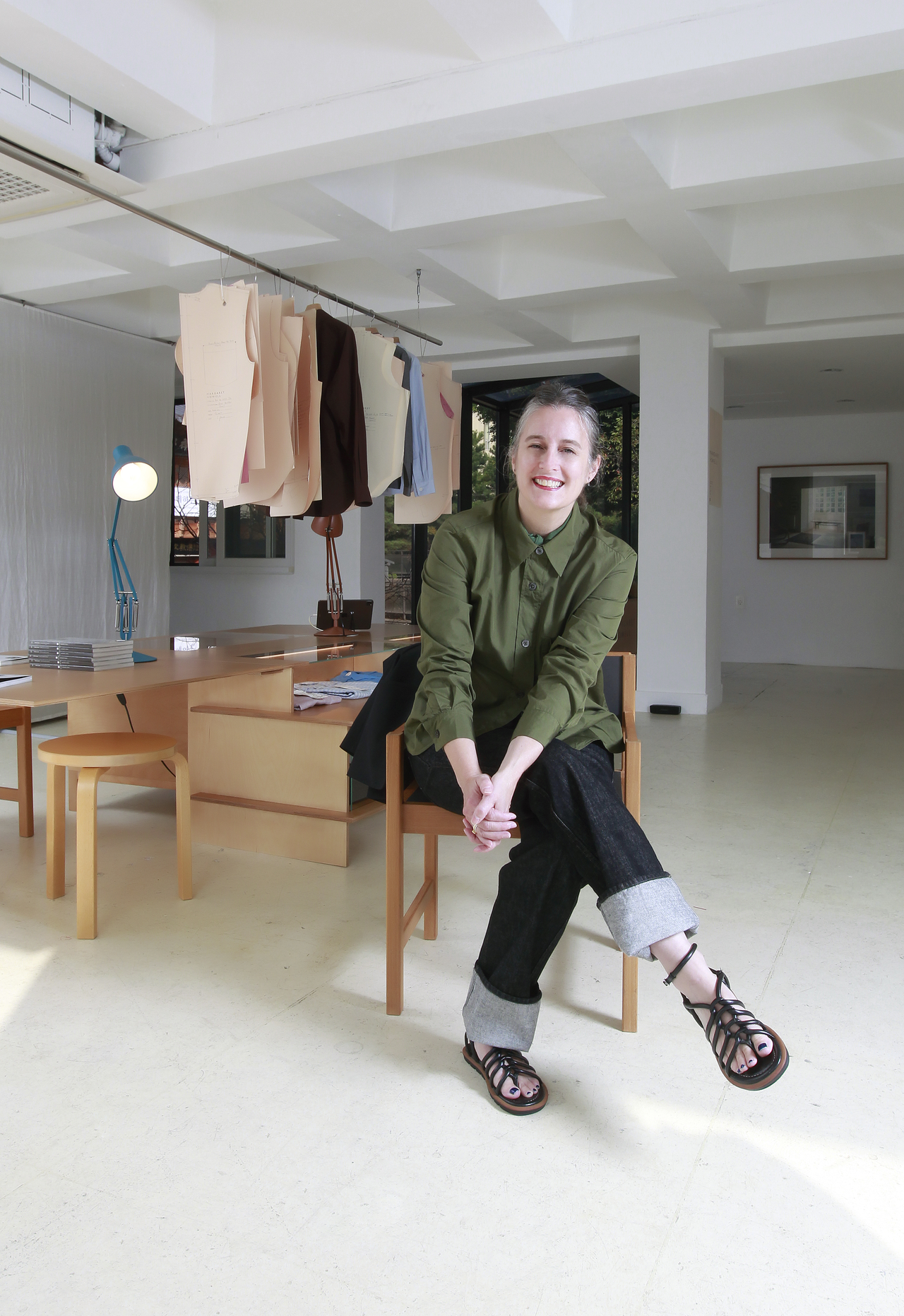
Launched in 2004 under the theme "Nature's Inspiration," the PyeongChang Daegwallyeong Music Festival marks its 23rd year this summer — the undisputed elder statesman of Korea's summer classical festival scene. Cellist Yang Sung-won has served as the festival's fourth artistic director since March 2023, following violinist Kang Hyo, the duo of Chung Myung-wha and Chung Kyung-wha, and pianist Son Yeol-eum. He has chosen "Legacy and Innovation" as the theme for his third season, running July 23 through Aug. 2.
The opening concert best captures that theme. Bach's Orchestral Suite No. 4, Beethoven's Piano Concerto No. 4 (with pianist Sunwoo Yekwon) and Stravinsky's "The Firebird" in its 1910 version together form a musical argument that innovation can only emerge from inheritance. The journey from Baroque through Classicism to the modern era invites audiences to rediscover the roots of classical music.
"When you hear the 1910 version of 'The Firebird,' you will be able to feel with your own ears how Stravinsky understood the past and then transformed it," Yang said.
Among the highlights this year are an unusual program that underscores the weight of tradition and a boldly chosen repertoire. The "President's Concert" on July 25 brings together Kim Dae-jin, former president of the Korea National University of Arts, Sawa Kazuki, former president of Tokyo University of the Arts, and Tsutsumi Tsuyoshi, former president of Toho Gakuen School of Music, in a trio performing Brahms, Dvořák and more.
Korean premieres — including a concert-opera version of Richard Strauss's "Ariadne auf Naxos" (July 29) and the Czech Pavel Haas Quartet performing Kaprálová's String Quartet No. 1 — will satisfy the intellectual curiosity of devoted listeners.
The structure of the PyeongChang Festival Orchestra also embodies the value of legacy. Veteran musicians — including Park Ji-yoon, concertmaster of the Orchestre Philharmonique de Radio France, and Lee Ji-yoon, concertmaster of the Staatskapelle Berlin — lead the ensemble, while young emerging musicians fill the second wind and brass chairs, creating a natural musical dialogue and mentorship on stage.
![The July Festival, opening July 1, weaves a single theme through an entire month of performances. Pictured are participating musicians. [The House Concert]](https://wimg.heraldcorp.com/news/cms/2026/06/12/news-p.v1.20260610.0105af36d5264cd8a889748005e097d8_P1.png)
July Festival: a 30-day journey through France
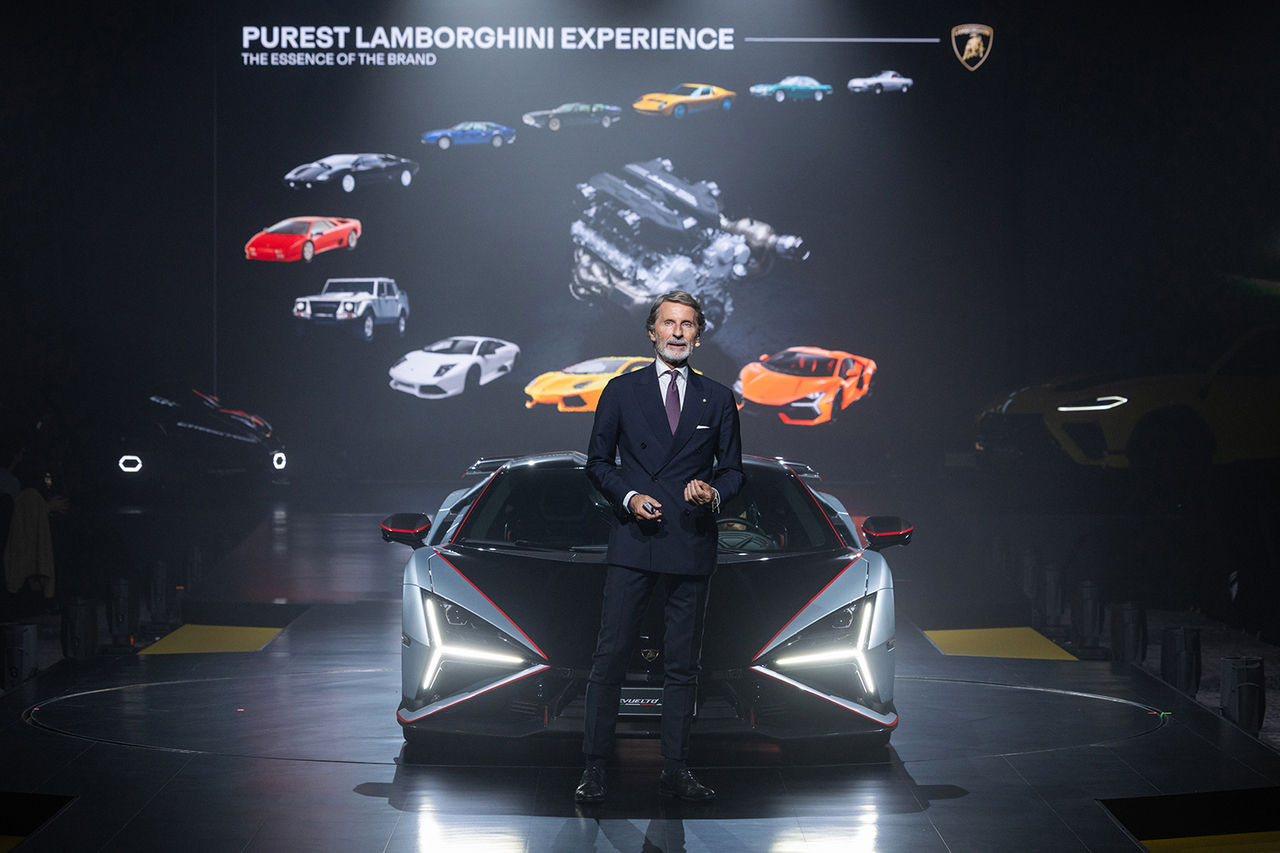
The House Concert, which has spent years conducting deep dives into individual composers, is making a bold pivot — giving audiences an entire month of French music to see and hear. After six consecutive years of single-composer focus — Beethoven in 2020, Brahms in 2021, Bartók in 2022, Schubert in 2023, Schumann in 2024 and Stravinsky in 2025 — the organization is expanding its lens from composer to country. This year's theme is "Lumières de France."
The House Concert was founded on July 12, 2002, in the home of musician Park Chang-su in Seoul's Yeonhui-dong, spreading a culture of house concerts in Korea through an intimate performance style that dissolved the boundary between stage and audience. The July Festival is the summer expression of that philosophy: one performance a day, one theme sustained for an entire month.
This year, Debussy and Ravel serve as the central pillars, with the spectrum extending to Satie, Les Six, Jean Françaix and Messiaen to illuminate the many textures of 20th-century French music. The festival traces a chronological arc — from the colors of Impressionism through Ravel's restraint and balance, Satie's irony and simplicity, and on to Messiaen's sublime mysticism — offering a journey through music history.
The focal point is the intensive exploration of Debussy and Ravel. Debussy features every Tuesday and Ravel every Thursday, with three and four piano programs respectively. The final Ravel installment, on July 23, pairs two pianos in a program including "Boléro," letting audiences experience the work's orchestral imagination in an entirely different texture.
The first-half highlight is a performance of Poulenc's one-act opera "La Voix humaine" on July 3, combining soprano Lee Han-na, pianist Jeong So-ra, dancer Kim Yeon-hwa and director Jo Eun-bi. Based on Jean Cocteau's play, the work centers on one woman's intense monologue and reinterprets the linguistic and theatrical dimensions of French music in a multifaceted staging. The second half brings pianist Sonya Bach performing Messiaen's "Vingt regards sur l'Enfant-Jésus" in its entirety on July 28 — a vast, roughly two-hour work rarely heard in full. Two days later, on July 30, Messiaen's "Quartet for the End of Time" will be performed by clarinetist Jo In-hyeok, violinist Han Su-jin, cellist Kang Seung-min and pianist Kim Song-hyeon, marking the aesthetic peak of the festival.
The opening and closing are equally considered. The July 1 opening concert features conductor Park Gang-hyeon and emerging artist Hong Seok-young as soloist in works by Debussy and Ravel, while the July 31 finale is led by conductor Park Geun-tae with soloist Lee Gwan-uk. The festival also extends beyond Seoul's Daehangno Arts House to 24 performances across nine regions nationwide.
Classic Revolution: from folk roots to the essence of classical music
Violinist Leonidas Kavakos, who took on the role of inaugural music director last year, returns to lead Classic Revolution for a second time. Launched in 2020, Classic Revolution is Lotte Concert Hall's summer music festival, presenting programs spanning recital, chamber music, concerto and symphony.
Kavakos has chosen "Origin" as his theme — a kind of musical archaeology that traces how composers absorbed their folk traditions and ethnic roots into their compositions.
The biggest draw of Classic Revolution (Aug. 28–Sept. 4) is its formidable lineup of world-class artists converging on Korea.
Pianist Kirill Gerstein, ranked No. 1 among pianists in classical music platform Bachtrack's "busiest performers of 2025" survey, joins violinist Kavakos, ranked fourth among violinists, and cellist Kian Soltani, ranked third among cellists. Violist Antoine Tamestit and pianist-conductor Kim Sun-wook round out the roster, moving fluidly between orchestral and chamber settings. A chamber music concert pairing these masters with Korea's next-generation musicians — including Kim Seo-hyeon, Kim Gyu-hyeon, Moon Woong-hwi and Han Jae-min — is also worth watching.
The opening concert on Aug. 28, a kind of musical manifesto, features the Korea National Symphony Orchestra conducted by Andrei Boreyko alongside cellist Soltani. The program — Kodály's "Dances of Galánta," Dvořák's Cello Concerto in B minor and Bartók's "Concerto for Orchestra" — makes a compelling case for how the indigenous folk sensibilities of Hungary and the Czech lands were sublimated into sophisticated art music.
The duo recital by Kavakos and Gerstein on Sept. 1 is another festival highlight. Through works including Bartók's Violin Sonata No. 2, the two artists trace in intense musical dialogue how folk music expanded into the modern musical language of the 20th century. The festival closes on Sept. 4 with Kavakos taking up the baton to conduct the Suwon Philharmonic Orchestra alongside Gerstein in Brahms's Piano Concerto No. 1 and Symphony No. 1. Gerstein will also meet Korean audiences in a solo piano recital during the festival.
By Ko Seung-hee
shee@heraldcorp.com