Oh appeared on TV Chosun's current affairs program Saturday evening, offering a measured take on President Lee Jae-myung's sliding approval ratings — pointing to real estate and prices as the core causes — and expressing confidence that his fandom among centrist swing voters will prove decisive when it matters most.
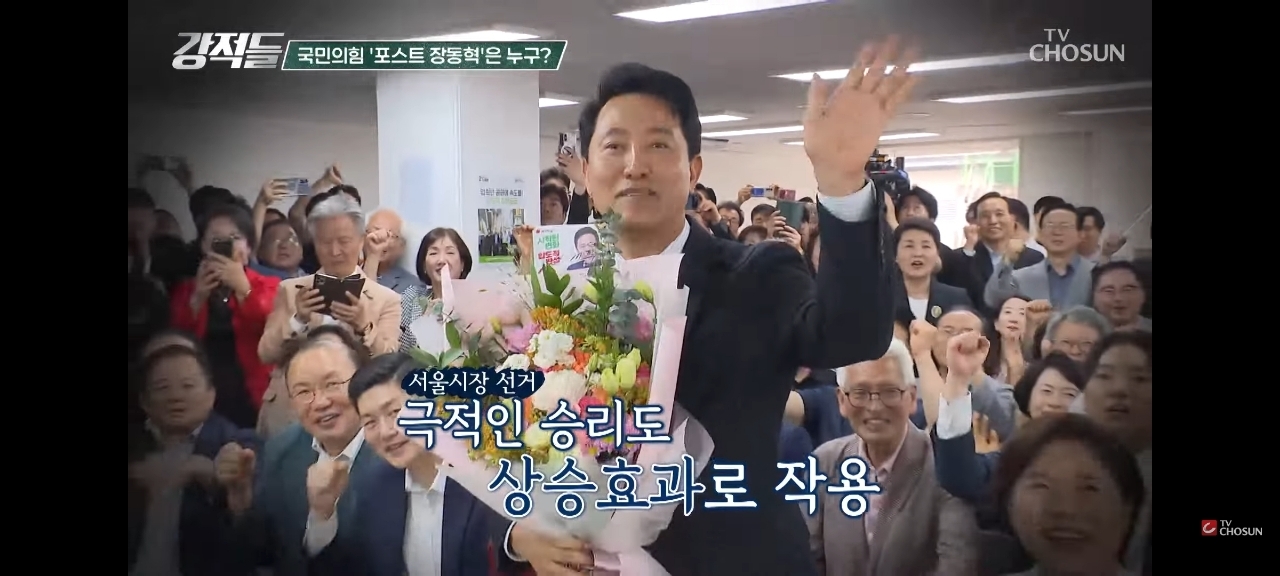
The biggest winner of the June 3 local elections was, by far, Seoul Mayor Oh Se-hoon.
The race remained neck-and-neck until the final stretch, but Oh pulled off a dramatic come-from-behind victory in the early morning hours as votes were counted, securing his hold on the top post of South Korea's capital.
The win carries special personal significance for Oh. He has set a new record in South Korean constitutional history as the first person elected to a fifth term as Seoul mayor.
The Seoul mayor represents 10 million residents and is widely regarded as the most politically influential elected office after the presidency. It is no exaggeration to say Oh is now at the peak of his political career.
Against that backdrop, Oh appeared Saturday evening on TV Chosun's current affairs program "Gangjeokdeul," sharing his views on the current administration and the state of the economy in a notably composed manner.
Political circles have largely attributed President Lee Jae-myung's approval rating sliding into the 40 percent range to internal ruling-camp tensions and intraparty power struggles. Oh, however, focused on the everyday economic dimension.

He said the administration had disappointed the public by declaring, even after its first-anniversary press conference, that it sensed a warning from public sentiment — yet would maintain its existing policy course unchanged.
Oh particularly singled out real estate and prices as the core causes of the president's falling support.
"The people hit hardest by rising housing prices, rising jeonse and monthly rent, and inflation are society's most vulnerable," he said, drawing a direct line between economic policy and people's livelihoods.
The remarks read less as a political attack than as the perspective of a longtime urban administrator. Oh also said he had asked the presidential office for an opportunity to share his views on housing market issues, underscoring his interest in policy dialogue with the central government.
More striking was his response to questions about his standing as a potential presidential contender.
Oh is frequently mentioned as one of the most competitive opposition figures for the next presidential race, yet he has consistently faced criticism that his base within the party is thin.
He pushed back on that assessment. "There are more lawmakers in the party who like me than people think," he said. "Those who prefer 'mild flavor' over 'spicy flavor' support me."
He also expressed confidence about his broader appeal, saying his fandom runs deep among centrist swing voters and that "when the decisive moment comes, that strength will show itself."
The remarks capture the essence of Oh's political style.
In South Korean politics, combative rhetoric and confrontational leadership often attract attention. Oh, by contrast, is known as a politician who maintains relatively restrained language and a composed demeanor.
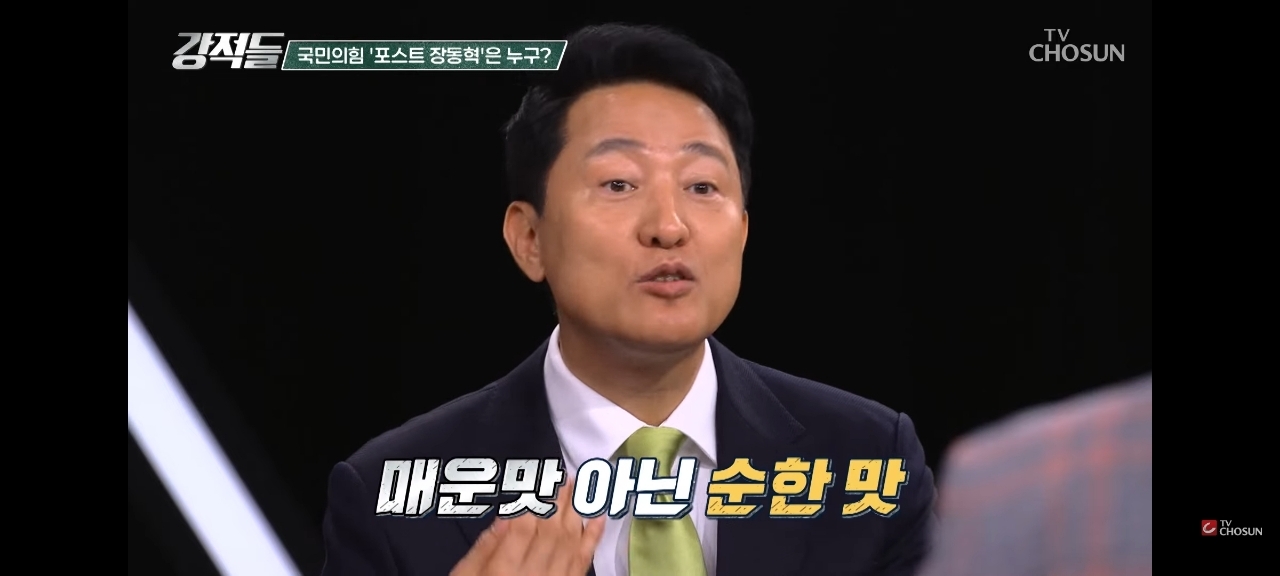
In practice, Oh has consistently sought to persuade through policy and logic rather than sharp words aimed at opponents — a style that has also drawn criticism that he lacks political intimacy and presence.
But the election result invites a different reading.
A loud voice does not necessarily mean strong leadership. A calm, measured approach can sometimes earn greater trust.
The "mild-flavor leadership" Oh describes appears to embody precisely that political philosophy.
As political polarization deepens, securing broad support among centrists is increasingly seen as the key to future electoral competitiveness. In that context, Oh's description of a support base that spreads "quietly and widely" may be more than mere rhetoric.
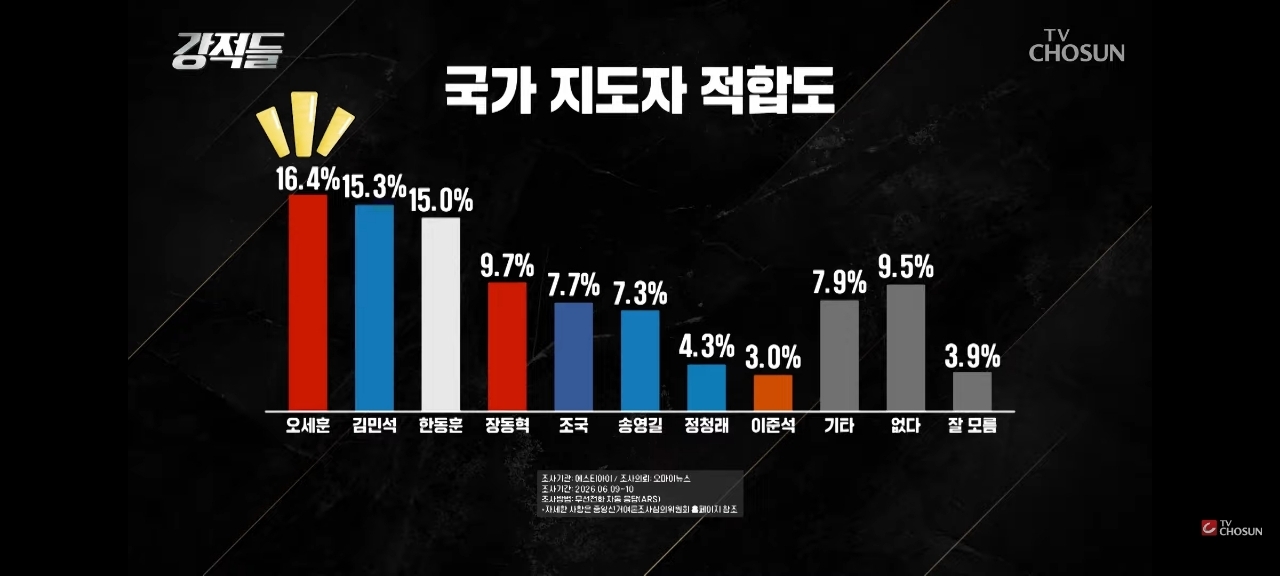
Oh Se-hoon has secured a historic fifth term as Seoul mayor with a dramatic come-from-behind victory.
Attention now turns to whether his "mild-flavor leadership" can prove effective not only in running Seoul but in the broader arena of South Korean national politics.
seouldream01@heraldcorp.com