Democratic Party to hold speaker candidate primary Monday; six lawmakers — including one five-term and one four-term member — compete amid debate over whether seniority norms will hold
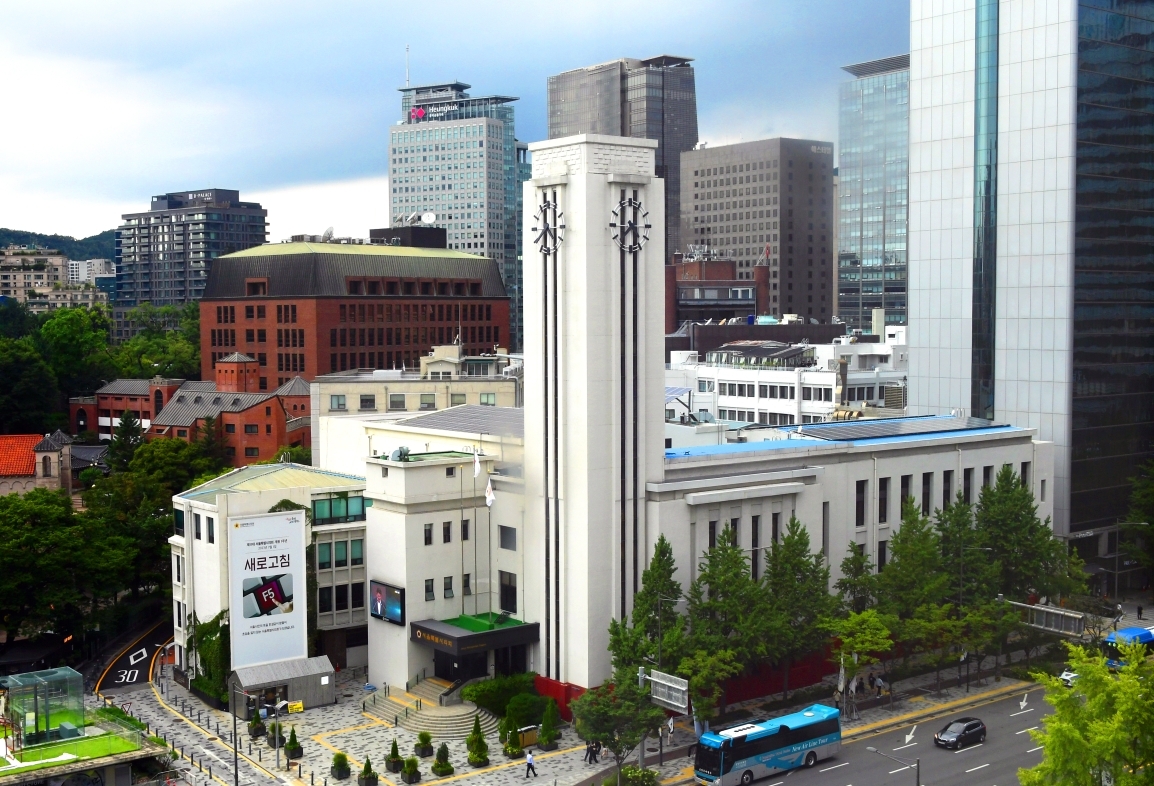
Political attention is mounting as the election for speaker of the Seoul Metropolitan Council — the body representing 10 million Seoul residents — is now just two days away.
The Democratic Party of Korea holds 80 of the 118 seats in the 12th Seoul Metropolitan Council, meaning the outcome of the party's internal speaker candidate primary Monday will in effect determine who leads the council for the first half of its term.
Six lawmakers have entered the race: five-term member Kim Ki-deok, four-term member Kim In-je, and four three-term members — Kang Dong-gil, Im Man-gyun, Bong Yang-sun and Lee Seung-mi. Candidates will present their platforms before members vote to select the party's nominee.
The central question surrounding the primary is whether the so-called seniority principle — long regarded as a cornerstone of parliamentary practice — will be upheld.
In both local councils and the National Assembly, it has been a longstanding convention that the speakership goes to the most senior member, on the grounds that the role demands extensive legislative experience and seasoned judgment.
The same logic typically governs the allocation of deputy speaker posts and standing committee chairmanships, with seniority and legislative experience treated as the standard criteria.
The principle amounts to more than mere custom — it is an unwritten rule of council governance that has endured for decades and is regarded as a form of customary law underpinning parliamentary democracy.
The Seoul Metropolitan Council has followed this tradition throughout its history.
This time, however, the dynamic is different, with a large number of three-term lawmakers entering the speaker race. Particularly notable is a growing chorus of voices arguing that the speaker should be chosen through an open primary regardless of seniority, fueling a sharp debate between tradition and change in how the council should be run.
Political observers expect the outcome of this primary to have a significant bearing on the council's governing culture going forward.
Adding another layer of interest: of the 80 Democratic Party members elected to the current council, 53 previously served on district-level assemblies. Many come from a political culture that places considerable weight on seniority and institutional order, making their collective choice a matter of close attention.
"Just as the National Assembly recently elected its most senior member — a six-term lawmaker — as speaker, councils are organizations with a strong tradition of respecting seniority and experience above all else," a local council official said. "Whether the Seoul Metropolitan Council upholds the principles of parliamentarism or makes a new choice will depend on the collective judgment of its elected members."
The speaker primary is shaping up to be more than a vote for a single presiding officer. It is seen as a pivotal moment that will reveal whether the Seoul Metropolitan Council intends to carry forward the traditions and principles of parliamentary governance or chart a new political course.
seouldream01@heraldcorp.com