First-time buyer share remains low in Gangnam, Seocho
May figures were the highest recorded this year
Gifting and jeonse-inclusive purchases by non-homeowners cited as key factors
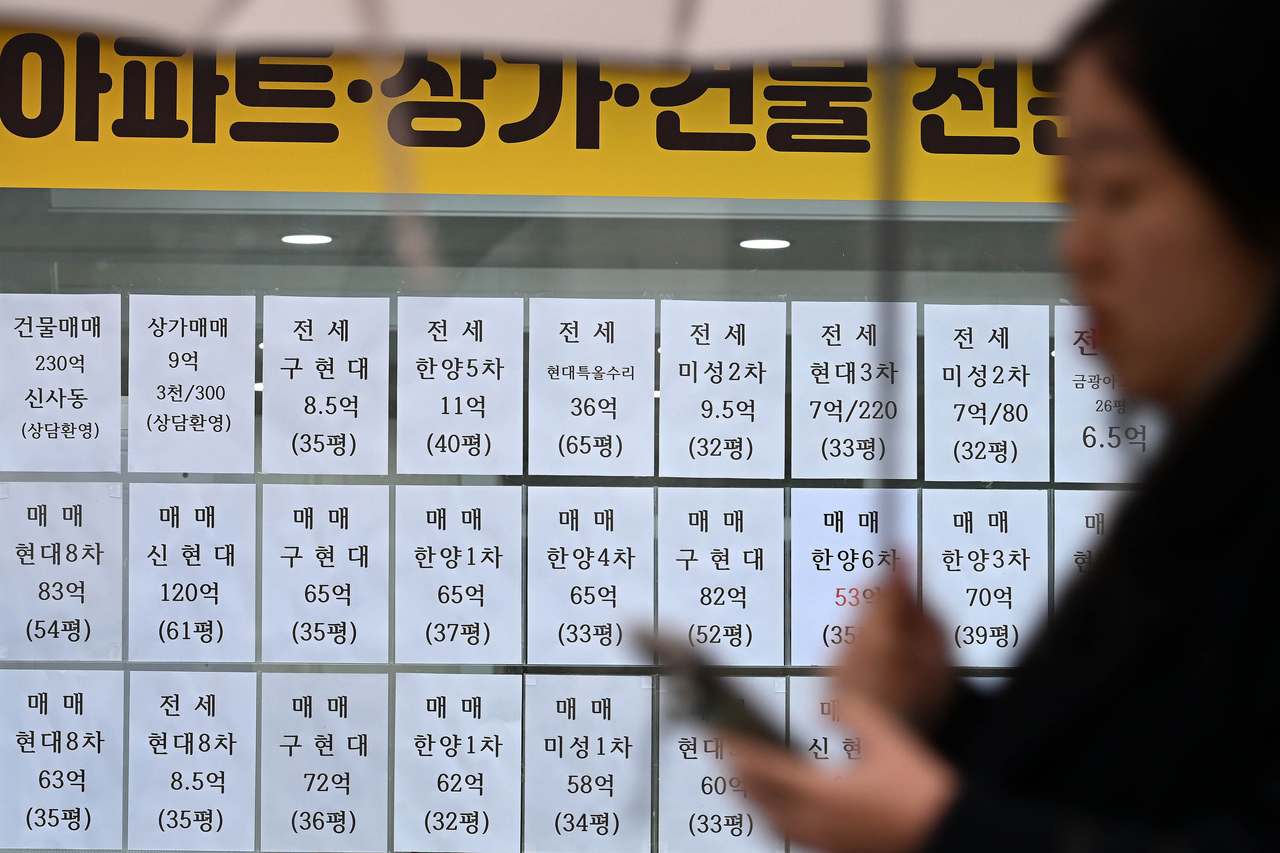
First-time homebuyers made their strongest showing of the year in Gangnam-gu and Seocho-gu — Seoul's two most expensive apartment districts — in May, data showed Saturday. Despite tight regulations that cap mortgage loans at 200 million won for homes priced at 2.5 billion won ($1.62 million) or more, analysts say a wave of gift-based transfers drawing on parental wealth and cash purchases by so-called "young rich" buyers drove the surge, ahead of the reimposition of a capital gains tax surcharge on multi-home owners.
According to the Supreme Court Registry Information Plaza, 224 people purchased real estate in Gangnam-gu for the first time in May — the highest monthly figure recorded this year — based on an analysis of ownership transfer registrations for collective buildings, including apartments, officetels and commercial units.
The number of first-time buyers in Gangnam-gu rose 5 percent from the previous month's 212 and surged 28 percent from 174 at the start of the year. Buyers in their 30s accounted for the largest share at 130, followed by those in their 40s at 49 and those in their 20s at 21.
Seocho-gu, home to high-priced apartment complexes including those in Banpo, also saw a sharp jump in first-time buyers in May. The district recorded 205 first-time buyers, the first time this year it exceeded 200 and a 19 percent increase from 172 at the start of the year. As in Gangnam-gu, buyers in their 30s led at 108, followed by those in their 40s at 44 and those in their 20s at 26.
Because ownership transfer registrations can be filed up to three months after a contract is signed, the actual number of first-time purchases in Gangnam-gu and Seocho-gu could rise further.
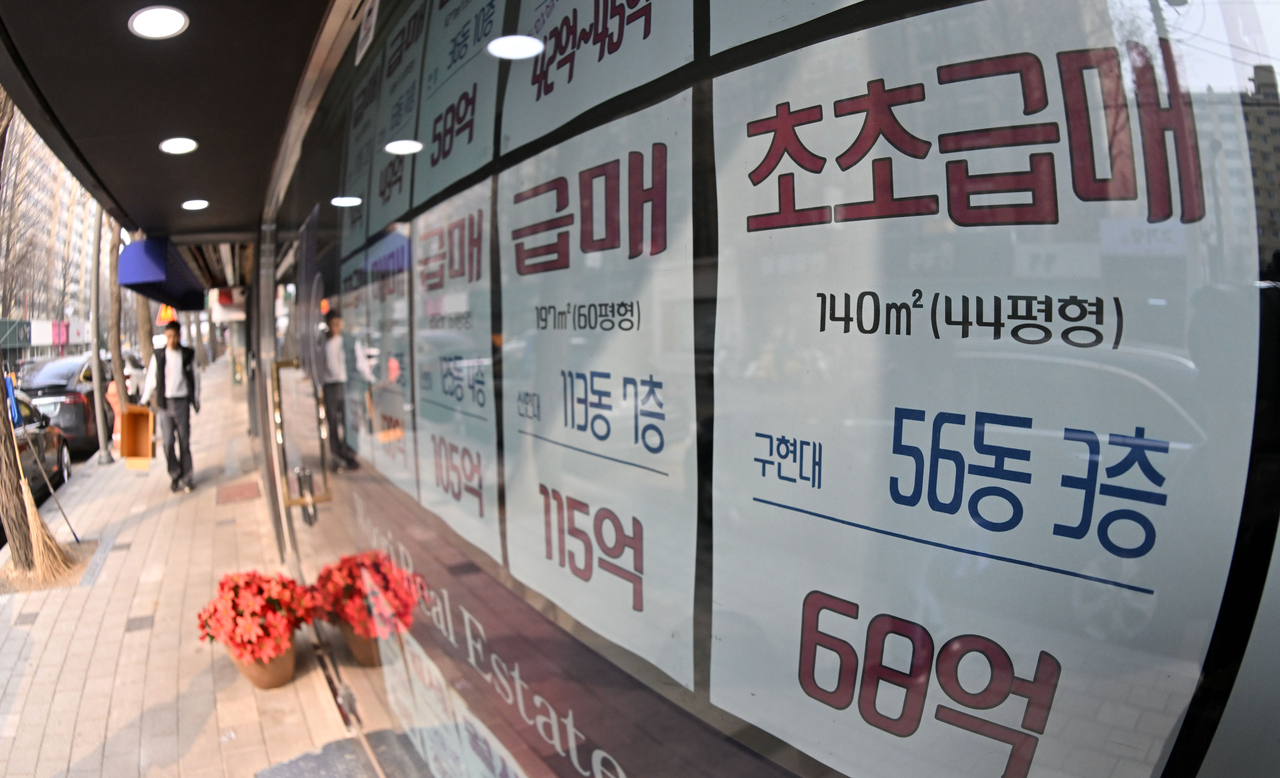
Experts attribute the rise in first-time purchases of high-end apartments by buyers in their 30s and 40s to a combination of parental wealth transfers and cash buying by affluent younger investors. Many of those wary of gift tax burdens are believed to have turned to below-market transfers instead.
A below-market transfer involves selling property to a family member or relative at a price lower than the prevailing market rate — in effect a gift. When the buyer has sufficient cash on hand, the capital gains tax on such a transaction is relatively lower than the gift tax, making it a common method for multi-home owners to pass property to their children.
The trend is being amplified as baby boomers reach retirement age, accelerating the pace at which wealth passes to the next generation. An anonymous asset management specialist said wealthy individuals holding more than 1 billion won in financial assets tend to transfer more than 60 percent of their assets as gifts, and that consultations on gifting surged before the reimposition of the capital gains tax surcharge on multi-home owners.
Analysts also note that the share of "young rich" buyers in their 30s and 40s purchasing homes with existing jeonse tenants in place — paying in cash — may have grown. Kim Hyo-seon, a senior real estate specialist at KB Kookmin Bank's WM Star Advisory Group, said Gangnam-gu and Seocho-gu still have the lowest share of first-time buyers among all Seoul districts. She added that a policy allowing non-homeowners to purchase properties with existing jeonse contracts, introduced ahead of the expiry of the capital gains tax surcharge suspension for multi-home owners, also played a role.
Now that the capital gains tax surcharge on multi-home owners has been reinstated, transaction volumes, gift transfers and direct deals — expected to include below-market transfers — are all declining in the Gangnam area. Deputy Prime Minister and Minister of Economy and Finance Koo Yun-cheol, speaking on the direction of real estate tax reform, said the government sees little reason to offer incentives for homes held by multi-home owners or properties not occupied by their owners, signaling that the administration intends to distinguish between homes purchased for personal use and those held as investments.
hss@heraldcorp.com