Yongin Special City Mayor Lee Sang-il has drawn attention for his defense of the city's semiconductor cluster amid political headwinds, relying on sharp argumentation and a swift read of local sentiment. When President Lee Jae Myung stopped short of a clear declaration that Yongin's semiconductor plans would be left intact, political circles and some private interests moved to exploit the ambiguity. Without meaningful support from the People Power Party, Lee Sang-il navigated the turbulence through his own reasoning and rapid information-gathering, ultimately securing the semiconductor cluster and winning reelection. He is widely regarded as a capable politician and strategist who accomplished more during his tenure than President Lee Jae Myung did as Seongnam mayor.
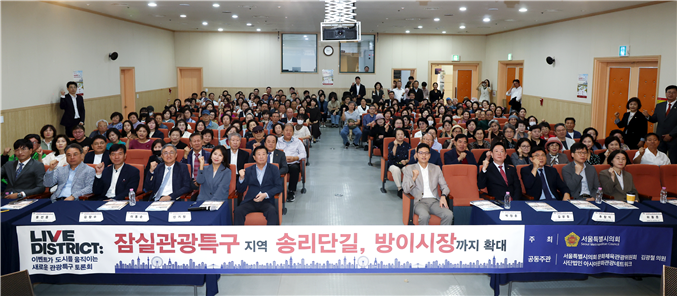
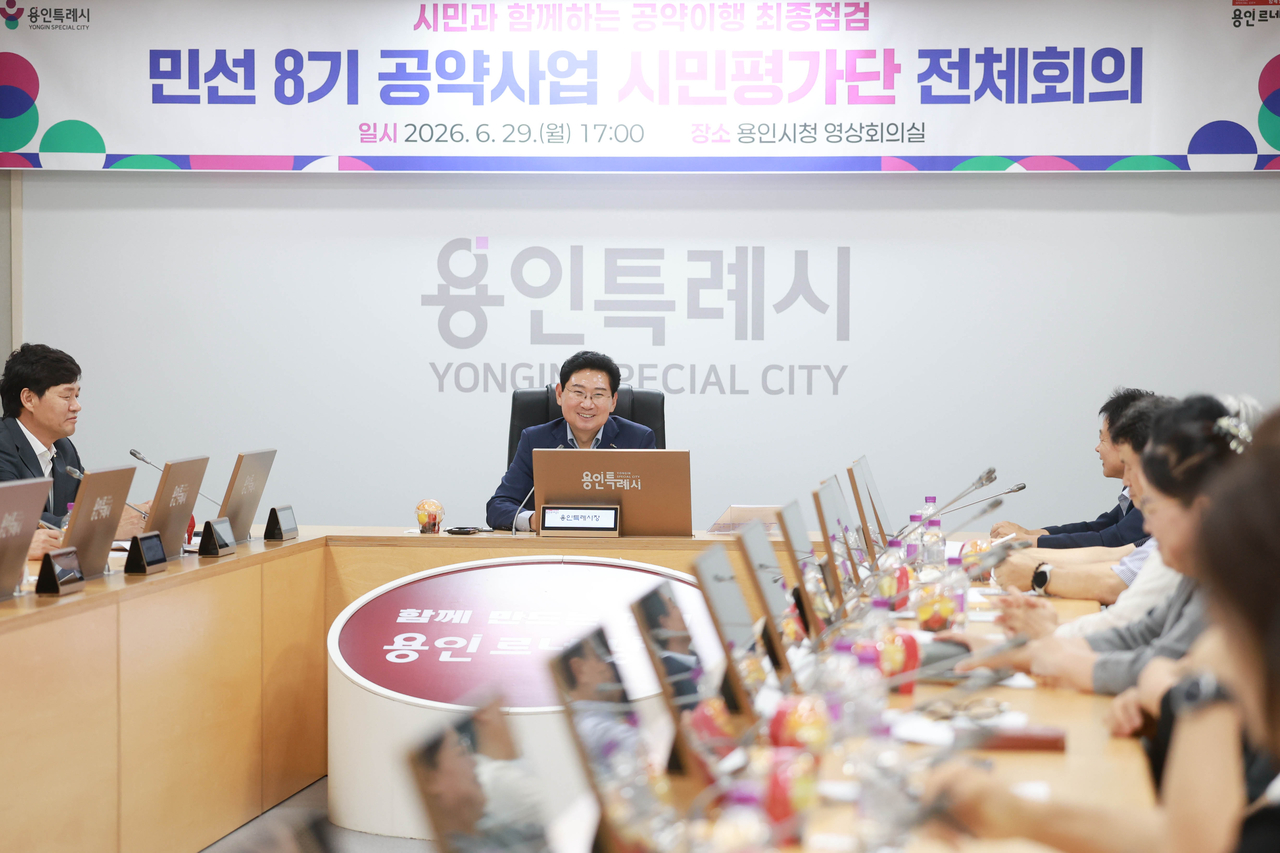
Yongin said Monday it held a plenary session of the Citizens' Evaluation Committee for the eighth elected-term administration's campaign pledges at City Hall on Sunday, conducting a final review of pledge fulfillment. Mayor Lee Sang-il and 30 committee members attended.
Of the 212 total campaign pledge projects for the eighth elected-term administration, 190 — or 90 percent — have been completed. The remaining 22 are either on track (17 projects) or partially under way (five projects), bringing the overall fulfillment rate to 97 percent.
Among the standout achievements, the city lifted a 45-year-old water-source protection zone designation around Songtan that had long constrained local development — a step no previous administration had attempted. Construction of the Wonsammyeon Yongin Semiconductor Cluster general industrial complex and a semiconductor-focused new town highway project are both proceeding on schedule. Beyond the original pledges, a national industrial complex for advanced system semiconductors in the Idong and Namsa areas — proposed by Lee himself — was secured, laying the groundwork for what is expected to become the world's largest semiconductor industry ecosystem.
The city also established a framework to reinvest Platform City development proceeds back into Yongin, ensuring development gains flow to residents and support local growth. It also confirmed plans to establish a semiconductor high school to train the next generation of specialists for the industry.
Progress was made in education, culture, welfare and administration as well. The city improved school environments, expanded youth activity facilities, and renovated the Central Library and Guseong Library to broaden its education and cultural infrastructure. It also pushed forward welfare initiatives including expanding public nurseries and introducing preferential programs for pregnant residents.
On the environmental front, the city drew up a comprehensive carbon neutrality plan and advanced projects including the Giheung Lake Park development and the creation of a walking trail and ecological park around Idong Reservoir.
In administration, the city worked to strengthen its standing as a city of about 1 million residents by securing special authority powers, expanding public Wi-Fi coverage and installing additional security cameras to improve convenience and safety for residents.
Efforts to raise residents' quality of life continued on other fronts. The city built park golf courses across all three districts — Cheoin, Giheung and Suji — to expand recreational sports infrastructure, and launched Yongin Citizen Pro Football Club as a community-owned team.
To enhance transparency and credibility in pledge fulfillment, the city has operated the Citizens' Evaluation Committee throughout the process, reviewing progress at every stage alongside residents.
Through four sector-specific meetings and plenary sessions, the committee examined the status of pledge projects, gathered feedback and incorporated it into project planning after review by relevant departments.
Those efforts earned Yongin Special City an A rating for three consecutive years from the Korea Manifesto Practice Headquarters in its assessment of pledge fulfillment and information disclosure. In the final evaluation announced in April, the city received an SA rating — the highest grade — for the first time in its history.
"Once the semiconductor industrial complex begins full operation as planned, we expect tax revenues to increase significantly from the year after next," Lee said. "We will boldly invest the secured funds not only in expanding the transportation network but also in cultural, arts and sports facilities and citizen welfare, creating changes that residents can feel and further improving their quality of life."
fob140@heraldcorp.com