
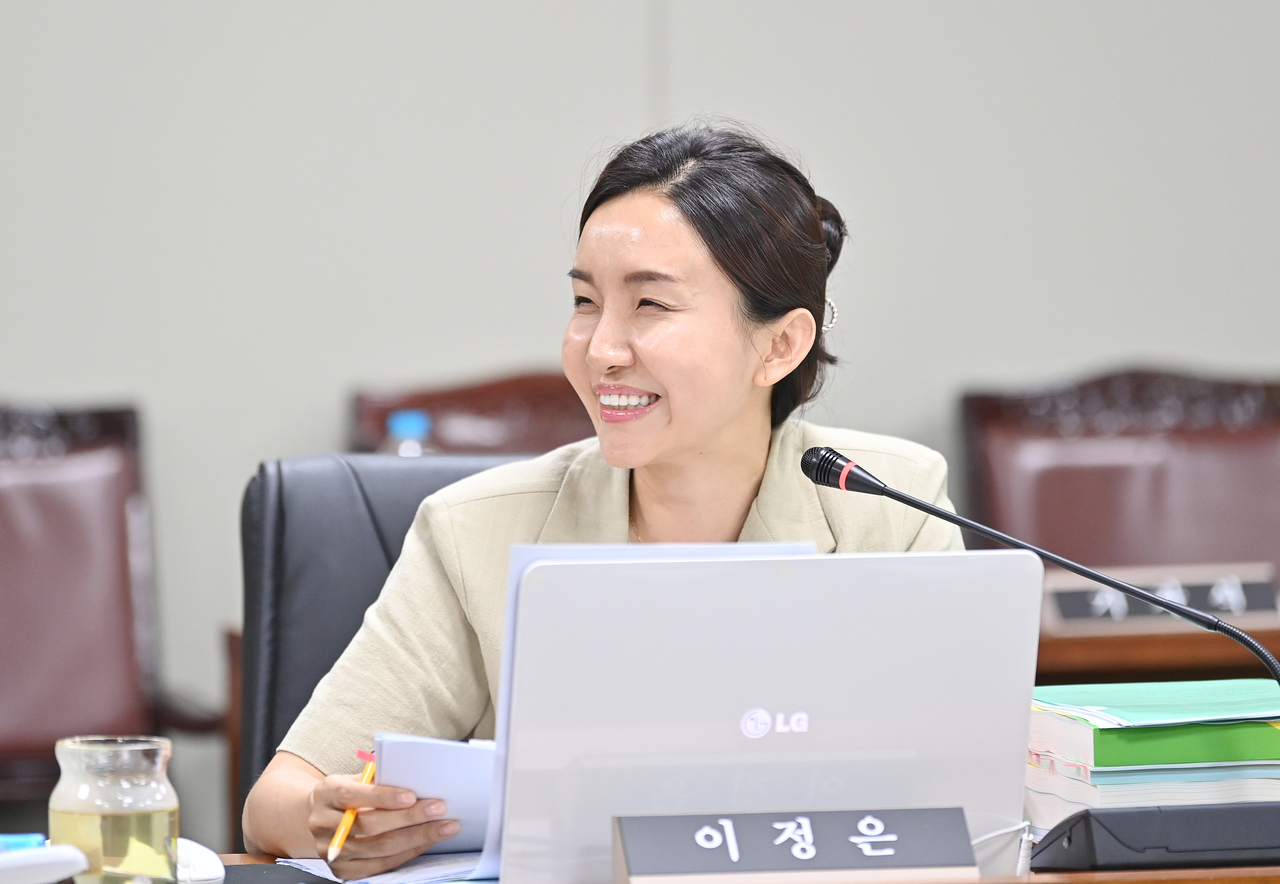
"The role of the council is to translate citizens' voices into policy and to create change that people can actually feel in their daily lives."
Lee Jeong-eun, elected chair of the Paju City Council's Autonomous Administration Committee on Wednesday, outlined balanced development, expanded lifestyle infrastructure and people-centered governance as the key challenges facing the growing city. Having taken the helm of the standing committee responsible for administration, welfare and public safety — the areas most closely tied to residents' lives — she said she intends to focus even more on field-based legislative work.
A two-term lawmaker, Lee spoke in an interview Tuesday about what she sees as the most urgent issues confronting Paju: expanding administrative services and infrastructure to keep pace with the city's rapid growth. As Paju develops into a leading growth hub in the northwestern Greater Seoul area, she said the city must close the gap in lifestyle infrastructure between neighborhoods and broaden policies in transportation, welfare and education that residents can tangibly feel.
She said policy preparation to address the low birth rate and aging population is critical. As a mother of twins, Lee said she understands firsthand the need to create an environment where people feel comfortable having and raising children, and stressed the importance of building a comprehensive welfare system to prepare for an aging society. She said laying the groundwork for all generations to live stably is at the heart of a city's competitiveness.
Balanced development across neighborhoods was another priority she raised. Lee said the goal of balanced development is not simply to expand construction in specific areas, but to ensure that all residents enjoy a similar standard of administrative services and living conditions. To that end, she said the city needs to expand its transportation network and everyday public infrastructure, distribute cultural and sports facilities more evenly, and broaden welfare services.
She also said budget allocation must be carried out fairly, with a focus on what residents can feel and on demand by district. She said the council will faithfully fulfill its oversight and scrutiny role to ensure that local issues are examined carefully and funds are distributed efficiently.
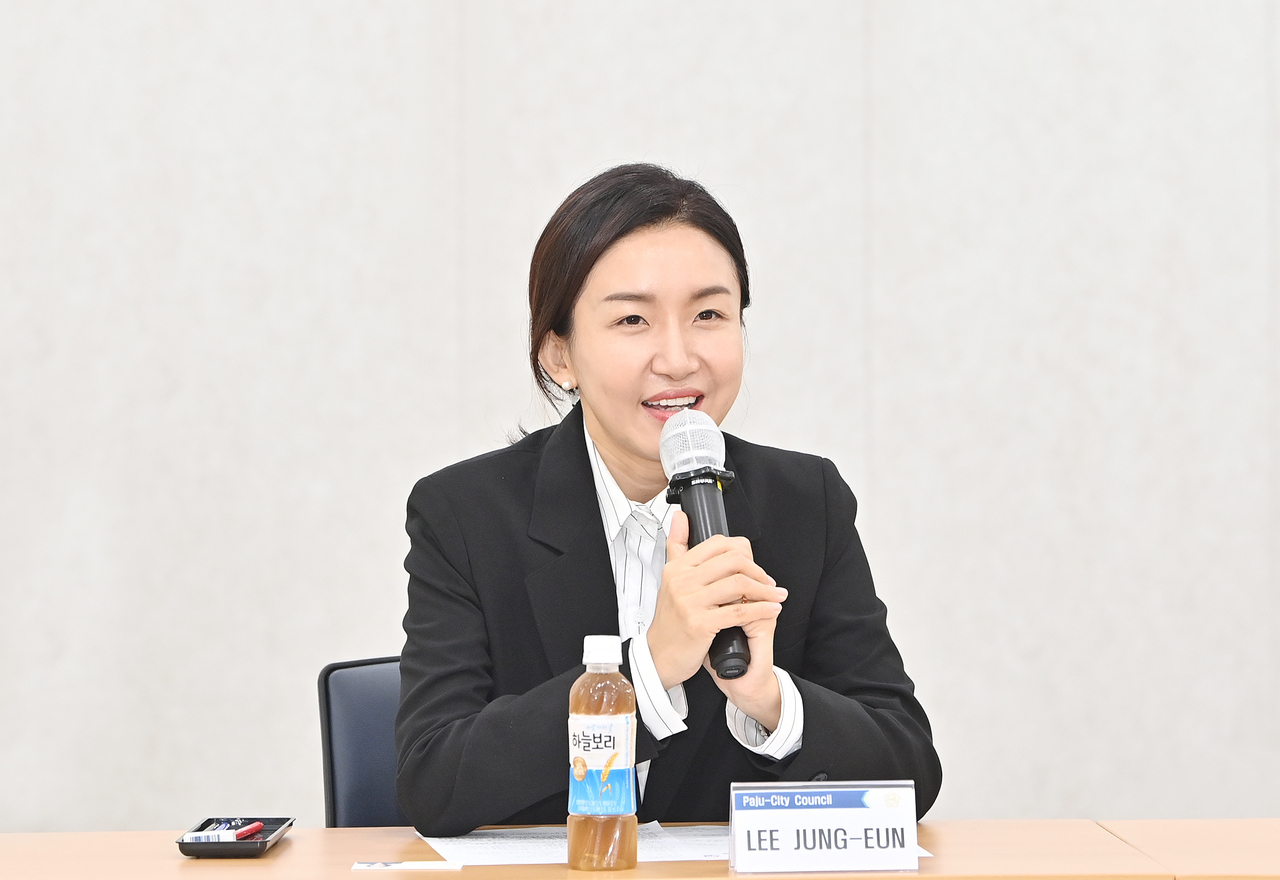
Lee champions participatory governance centered on listening to residents
At the core of Lee's approach to legislative work is listening to citizens. She said complaints should be understood not merely as inconveniences but as real problems in people's lives, and that going to the scene directly is where solutions begin. She said it is important to work with relevant departments to find remedies and, even when a problem is difficult to resolve, to take the time to explain the situation fully.
Her communication with residents is also grounded in fieldwork. She engages with constituents in real time through social media and visits key complaint sites in person to hear their concerns directly. She plans to further expand participatory governance that connects citizens' opinions to policy.
Throughout her time in the council, Lee has consistently worked to develop policies for socially vulnerable groups. As chair of the special budget and accounts committee, she focused on securing funding for welfare, care services and the social safety net, and took a leading role in enacting ordinances aimed at improving the quality of life for women, children, people with disabilities and others on the margins.
She said she has kept the original spirit with which she entered public life — thinking about policy from the perspective of the socially vulnerable. She said it is the role of a local lawmaker to identify policies that provide real, practical help and to put in place systems that people can feel working in their lives.
Her record has earned recognition both within and outside the council. Lee was named the "best city council member" by Paju city civil servants in both 2024 and 2025, and received ministerial commendations from the Ministry of Gender Equality and Family and the Ministry of Health and Welfare in recognition of her four years of legislative work.
She identified "people-centered growth" as the key to strengthening Paju's future competitiveness — a city where young people can find jobs and put down roots, children can grow up safely, and seniors can enjoy a fulfilling retirement.
She also said administrative innovation in response to advances in AI and digital technology is essential. She said the city must build a smart administrative system suited to the changing environment and expand citizen-centered public services to improve both efficiency and satisfaction.
Lee said transparency and accountability matter most for the advancement of local politics. She said the city must make efficient use of budgets and public resources funded by taxpayers and pursue sustainable policies grounded in reliable data.
She also said opportunities for residents to participate in the policy-making process must be expanded, and that broader education and access to information are needed to deepen public understanding of politics. She said open legislative activity — where citizens, the administration and the council think together about local development — is the key to strengthening local self-governance.
Reflecting on her election as committee chair, the two-term lawmaker said it reflects both the choice of citizens and the trust of her fellow council members. She added that she will not lose sight of her original commitment to serving as an instrument of the people, and will practice grassroots politics by finding answers in the field.
"I will listen to citizens' voices with an even more humble posture, and deliver results with an even greater sense of responsibility," she said. "I will be an Autonomous Administration Committee chair who is always out in the field, working alongside residents so that their lives can improve, even if just a little."
7toy7@heraldcorp.com





