![[Provided by Hanwha Asset Management]](https://wimg.heraldcorp.com/news/cms/2026/07/14/news-p.v1.20260714.983c6e226fff4987a474ec438615ebb0_P1.png)
Hanwha Asset Management plans to maintain its exposure to the AI investment boom in the second half of this year while reducing its reliance on a handful of large US technology stocks. The strategy calls for raising the weighting of semiconductor and AI infrastructure shares while broadening the investment universe to include US small-cap stocks and Asian emerging markets.
The asset manager unveiled its second-half strategy for LIFEPLUS TDF, its flagship retirement pension product, on Tuesday.
Hanwha Asset Management expects investment across the broader AI ecosystem — semiconductors, software and data centers — to continue in the second half. However, it said investor attention is shifting away from the growth potential of the AI industry itself and toward identifying companies that can translate large-scale capital expenditure into actual sales and profits.
Accordingly, the firm plans to increase its allocation to semiconductor and related infrastructure companies that stand to benefit from rising AI capital expenditure, while rebalancing the portfolio to avoid excessive dependence on any single country or large-cap technology stock.
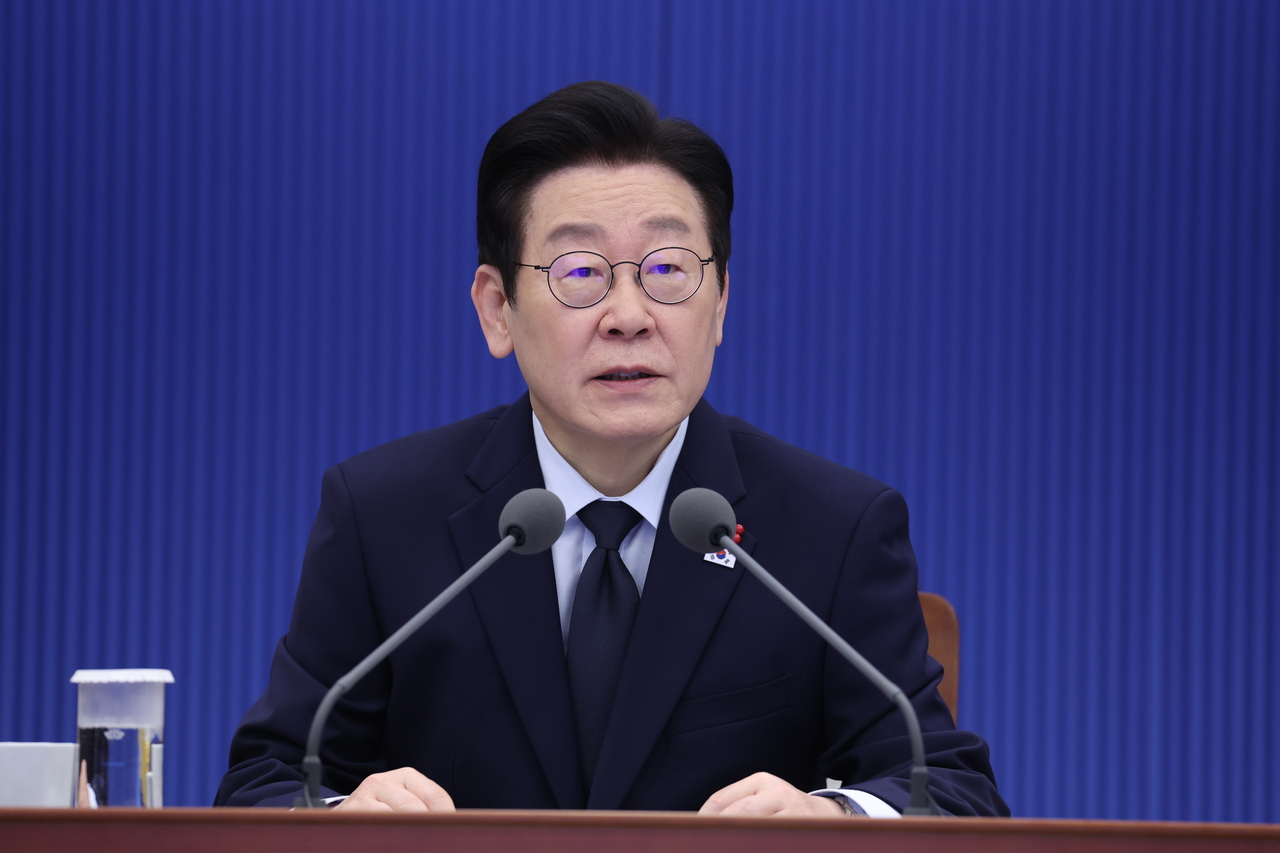
"This is a moment when we need to participate in the earnings-growth trend driven by AI capital expenditure, while also achieving well-balanced diversification that accounts for investment geography and market capitalization," said Cha Deok-yeong, head of Hanwha Asset Management's retirement pension division.
Within US equities, the firm will increase its small-cap weighting. AI infrastructure spending is expected to sustain the broader uptrend in US markets, but Hanwha said the concentration risk from funds flowing into a narrow group of large-cap technology stocks has grown considerably.
The plan is to extend the investment scope beyond large-cap technology names to include small-cap stocks that could benefit from rising demand and an improving economic environment driven by AI investment — capturing upside potential while reducing single-stock concentration risk.
The firm will also expand its exposure to Japan and Asian emerging markets. It sees Japan as a market where an easing of yen depreciation pressure could attract foreign capital inflows and support earnings improvement. Asian emerging markets are viewed as critical nodes in the AI capital expenditure supply chain, given their roles in semiconductor production and data center construction.
The overall strategy focuses on diversifying away from a large-cap technology-centric structure toward small-cap stocks and non-US markets amid the ongoing AI investment cycle. The firm noted that as AI capital expenditure extends over a longer horizon, the pool of beneficiaries is likely to widen beyond semiconductors and data center equipment to include power, cooling and components.
As the target-date fund market grows, competition among asset managers is shifting from simply raising the weighting of risk assets to how effectively they allocate across regions and sectors. Because funds sharing the same target date can produce meaningfully different returns and volatility depending on each manager's asset allocation strategy, securing long-term diversification benefits matters more than chasing short-term gains in any single market.
"The core of a TDF is diversified investment through global asset allocation," Cha said. "Using that to generate steady, long-term performance in investors' pension assets is what matters most." He added that heavy concentration in a particular country or sector "can look attractive when that market is performing well," but warned that "if the market stalls or the leading sector rotates, it can derail the long-term growth of pension assets."
LIFEPLUS TDF applies a customized glide path developed jointly with global asset manager JPMorgan. A glide path is an asset allocation framework that gradually reduces exposure to risk assets such as equities and increases the weighting of safer assets such as bonds as an investor approaches their target retirement date.
The fund also combines active management for asset classes where outperformance is considered achievable with passive management for those where tracking a market index is deemed more efficient.
kacew@heraldcorp.com