MBK Partners and Meritz Financial Group have reached a last-minute agreement on a 200 billion won ($134 million) debtor-in-possession loan for Homeplus. While the deal spares the hypermarket chain from immediate bankruptcy, concerns are mounting that the rehabilitation process — only just resumed — could be terminated again if no buyer steps forward to take over the company.
Meritz board to decide on loan Thursday
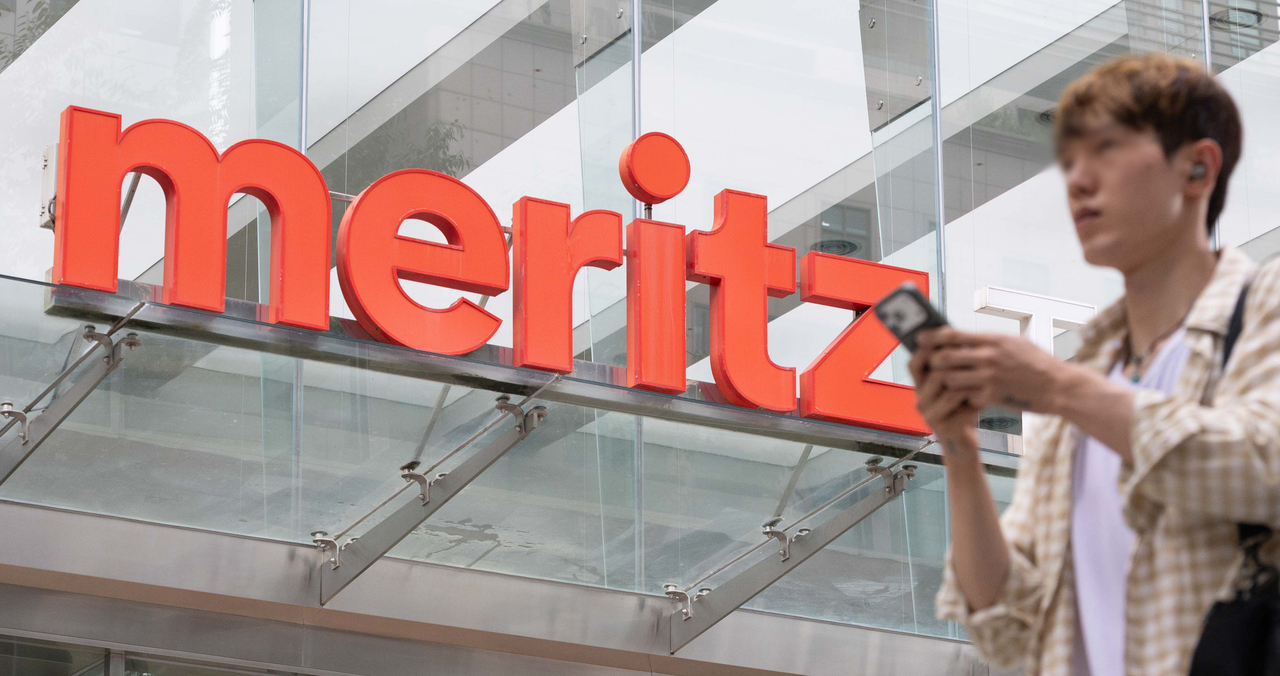
According to investment banking industry sources and political circles, Meritz Fire & Marine Insurance, Meritz Securities and Meritz Capital — the main units of Meritz Financial Group — convened a board meeting Thursday to deliberate on extending a 200 billion won DIP loan to Homeplus, with a personal guarantee from MBK Partners Chairman Kim Byung-ju as a precondition. A decision was expected later Thursday.
The Seoul Bankruptcy Court's fourth rehabilitation division, presided over by Chief Judge Jeong Jun-yeong with Judge Park So-yeong as the presiding justice, ruled on July 3 to terminate Homeplus's rehabilitation proceedings. However, the court left open the possibility of reversing that decision if Homeplus secured 200 billion won in emergency operating funds before the immediate-appeal deadline of July 20.
If the Meritz Financial Group board approves the loan, Homeplus can file an immediate appeal against the court's termination ruling. Should the Seoul Bankruptcy Court accept the appeal, rehabilitation proceedings would resume. Under the Debtor Rehabilitation and Bankruptcy Act, the legal deadline for approving a rehabilitation plan is a maximum of one year and six months from the date proceedings began — meaning the deadline falls on Sept. 4.
The market is watching the Meritz board's decision closely. Recent amendments to the Commercial Act expanded directors' fiduciary duties to include shareholders, raising the stakes for board members weighing a large-scale loan with uncertain prospects of recovery. Even if Homeplus secures DIP financing, whether a rehabilitation plan will ultimately be approved and carried out remains unclear. The board faces a difficult judgment call over whether extending additional credit — rather than pursuing principal and interest recovery through liquidation or bankruptcy — truly serves the interests of Meritz Financial Group's shareholders.
200 billion won buys time — but Homeplus still needs a buyer
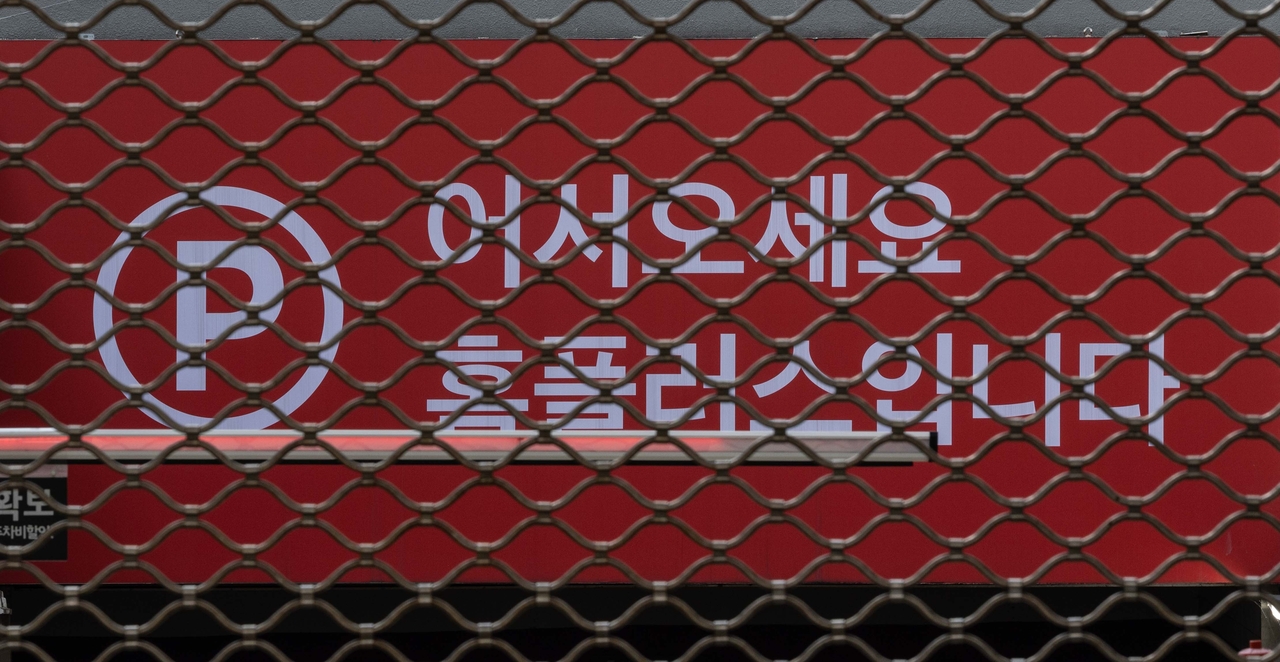
Even if Meritz Financial Group's loan provides the full 200 billion won, whether Homeplus can actually be rehabilitated remains an open question. The rehabilitation plan Homeplus submitted is premised on a sale. The core strategy is to slim down the company — restructuring stores around key locations and reducing headcount through voluntary and natural attrition — before finding a new owner.
Ultimately, even if immediate bankruptcy is avoided, rehabilitation proceedings are likely to be terminated again if no acquirer emerges by September. The e-commerce platform WeMakePrice, which filed for rehabilitation in 2024 after failing to pay out large sums to merchants, pursued a pre-approval merger and acquisition process but could not find a buyer and ultimately went bankrupt. Tmon, by contrast, was acquired by Oasis and completed its rehabilitation proceedings last August.
A lawyer specializing in corporate rehabilitation and restructuring said the 200 billion won was "no more than a drop in the bucket." The attorney said the company's value had continued to erode over the past year as rehabilitation proceedings stalled, making it harder to attract a buyer. "The remaining two months is a short window to carry out the large-scale workforce restructuring and profitability improvements needed to lower the burden on any potential acquirer," the lawyer said.
Homeplus has already reduced its workforce from roughly 20,000 to about 9,000 through the sale of its Express division and a combination of voluntary and natural attrition. In a revised rehabilitation plan released late last month, the company said it would consolidate its 126 hypermarket locations into 67 core stores and projected operating profit in the 80 billion won range once supply and sales operations were normalized — though the plan offered no explanation of how further workforce reductions would be handled.
The prospect of intervention by a public institution such as UAMCO (United Asset Management Corporation) is also seen as unlikely. In March, the Mart Industry Labor Union called for UAMCO to be appointed as a third-party administrator in place of MBK Partners Vice Chairman Kim Gwang-il and Homeplus CEO Jo Ju-yeon. UAMCO is a corporate restructuring specialist established in 2009 through a joint investment by major commercial banks.
An IB industry official said it was theoretically possible for UAMCO to take over Homeplus, carry out a lengthy restructuring and then sell it again, but added that the scale of the company made it too large for UAMCO to handle alone. "They would need to form a consortium with a strategic investor or secure large-scale funding from the banking sector, but the hypermarket business has limited growth potential, which makes that difficult," the official said.
For context, the acquisition prices UAMCO paid when it took over and turned around STX Engine and STX Shipbuilding — now K Shipbuilding — were 180 billion won and 250 billion won, respectively; the latter was acquired jointly with KHI. Dongsung Pharmaceutical, a more recent acquisition, involved a deal valued at around 160 billion won, with UAMCO participating in a consortium alongside Taekwang Industrial. Homeplus operates on a far larger scale than any of those companies, requiring a continuous and substantial flow of operating capital to maintain its nationwide store network, merchandise procurement, workforce and lease obligations.
park.jiyeong@heraldcorp.com