Organizations ultimately run on people, and personnel decisions are the most powerful tool for moving them. Where leaders place their talent determines an organization's culture, performance and long-term competitiveness.
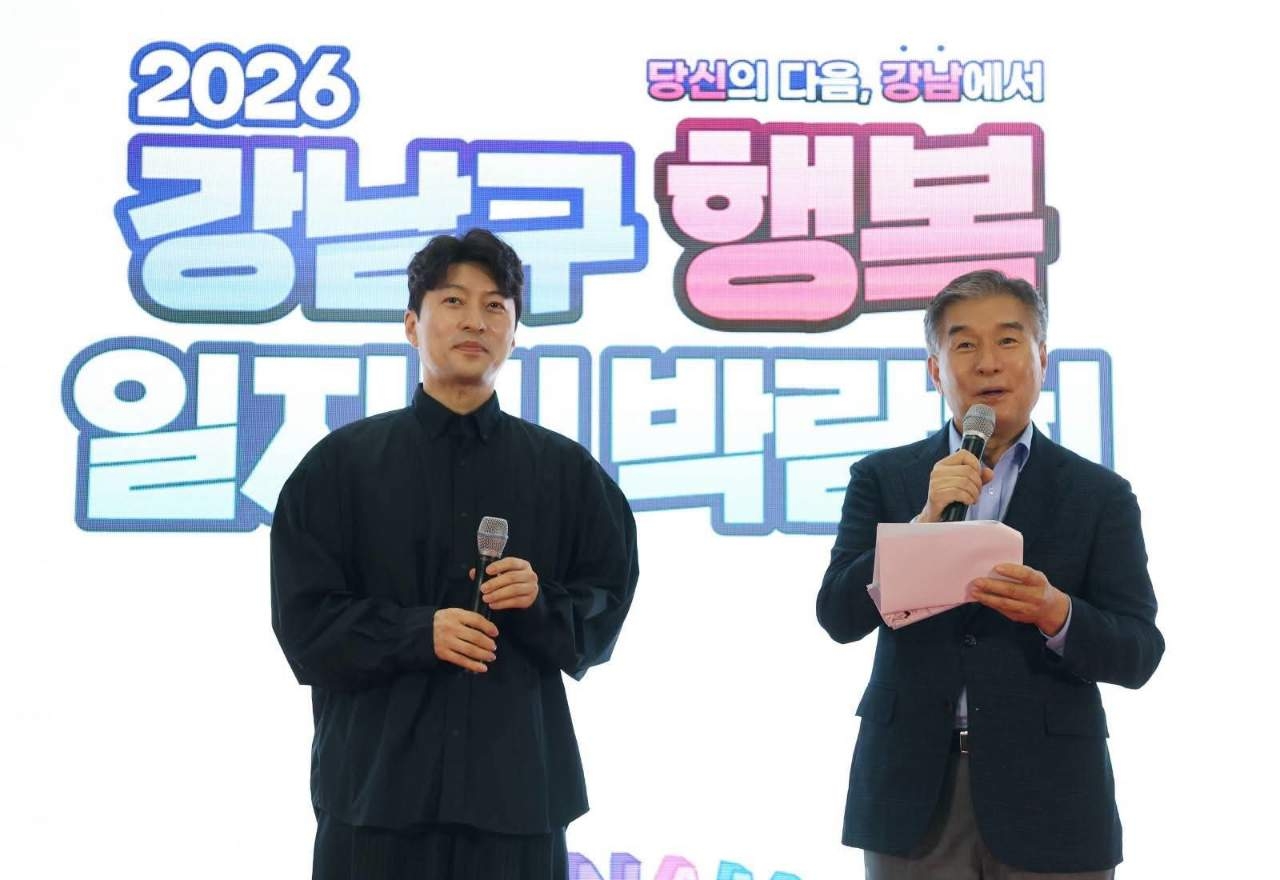
Against that backdrop, the staffing choices and organizational philosophy that Gangnam-gu District Mayor Kim Hyun-gi has displayed since the launch of the ninth elected-term administration are drawing close attention.
From his first day in office, Kim made communication with staff a top priority. He personally shook hands with employees on his way in and invited newly appointed civil servants to his office to share orchids — a traditional congratulatory gift — working to close the psychological distance between himself and the organization.
Even the best policy is only as good as the civil servants who carry it out. Observers say Kim's approach is meaningful precisely because building trust with staff and creating a team-oriented atmosphere is the essential first step in running any organization.
Kim then used his personnel decisions to signal his broader philosophy of organizational management.
He first placed Policy Adviser Kim Gwang-su, Chief of Staff Kim Hee-ju and General Affairs Division Chief Kong Seung-ho in key positions.
Policy Adviser Kim Gwang-su has been one of the district mayor's closest aides since Kim's time as speaker of the Seoul Metropolitan Council, and is regarded as someone who can align seamlessly with his policy direction.
Chief of Staff Kim Hee-ju, a former director-level official at the Gangnam-gu district office, built a relationship of trust with the district mayor during the election campaign. She is considered the right person to convey his intentions accurately to the organization while drawing on her administrative experience.
General Affairs Division Chief Kong Seung-ho oversees personnel and organizational management — the central administrative function. Long recognized for his drive and organizational skills, he is considered the right fit to ensure stable personnel operations.
Settling on key advisers and operational leads first is widely read as a clear statement of intent to establish a firm center of gravity for the administration.
Kim then issued orders Wednesday reassigning Joo Myeong-ae, head of the Future Strategy Planning Office, to director of the Administrative Bureau, and moving Administrative Bureau Director Im Gyeong-gu to head the Future Strategy Planning Office.
The Administrative Bureau directorship is in effect the district office's most critical post, overseeing personnel and organizational affairs. The Future Strategy Planning Office, meanwhile, will design and drive the ninth elected-term administration's core policies. The swap is interpreted as a move to build out the new administration's organizational framework in earnest.
Ultimately, the reshuffle reflects a "new wine in new wineskins" approach — redistributing key senior officials to the roles that best fit the new leadership.
Particularly notable is that Kim has not rushed the process, instead reviewing each appointment carefully. Analysts say the approach suggests a deliberate effort to achieve both organizational stability and meaningful change at the same time.
Gangnam-gu is expected to soon announce nine candidates for promotion to Grade 5 — eight from the administrative track and one from the welfare track. Once subsequent transfer appointments are finalized, the Kim Hyun-gi administration will have its full organizational lineup in place.
There is a common saying: "Look at the personnel choices and you see the leader; look at the leader and you see the organization's future."
Attention is now turning to whether the upcoming promotions and transfers will translate into the organizational competitiveness needed to support what Kim calls the "Great Gangnam Transformation."
Expectations are growing for a district mayor who, in his first term, is already drawing comparisons to a seasoned veteran.
seouldream01@heraldcorp.com