Investors will need to hold 30 million won ($20,200) in cash as a basic deposit before they can trade single-stock leveraged exchange-traded funds.
The new rules also change the minimum trading unit to 20 shares, tighten tracking-error management, suspend new listings and expand investor education requirements.
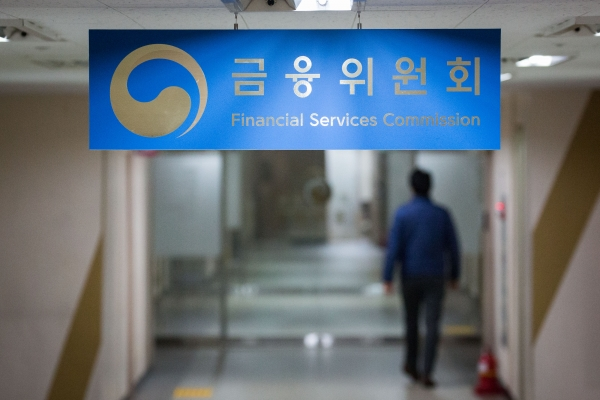
The Financial Services Commission, the Financial Supervisory Service and Korea Exchange announced the measures Thursday, based on discussions at a market-monitoring meeting chaired by Deputy Prime Minister for Economic Affairs Koo Yun-cheol.
The most significant change is the increase in the basic deposit threshold. The required deposit for single-stock leveraged ETF investment will rise from 10 million won to 30 million won.
Under the previous rules, up to 70 percent of the 10 million won requirement could be met with the value of shares already held, meaning an investor with 7 million won in stocks and 3 million won in cash could qualify.
Now, the full 30 million won must be held in cash. In effect, the minimum cash requirement rises tenfold — from 3 million won to 30 million won.
The minimum trading unit will also be raised on a provisional basis to 20 shares. Single-stock leveraged ETFs are currently issued and traded at prices similar to those of typical leveraged products — around 10,000 to 20,000 won — making them accessible at lower price points than the underlying shares of Samsung Electronics or SK Hynix.
Raising the trading unit to 20 shares is expected to reduce overall trading volume. The higher deposit requirement is set to take effect in August, while the change to the 20-share trading unit will be introduced in November to allow brokerages time to update their systems.
Tracking-error management will also be tightened. The tracking error — expressed as a percentage — measures the gap between an ETF's net asset value and its market closing price. The threshold for brokerages' tracking-error management obligations will be lowered from 3 percent to 2 percent, and asset managers whose ETFs breach the acceptable tracking-error limit may face restrictions on new listings. The number of steps in the procedure for designating a product as a cautionary investment item will also be reduced from three to two.
Financial authorities will also extend mandatory investor education to encourage more careful decision-making. The required training for single-stock leveraged ETF investment will increase from two hours to three.
New listings of single-stock leveraged products will be suspended until market conditions stabilize, and advertising and marketing for products already in circulation will be prohibited.
th5@heraldcorp.com