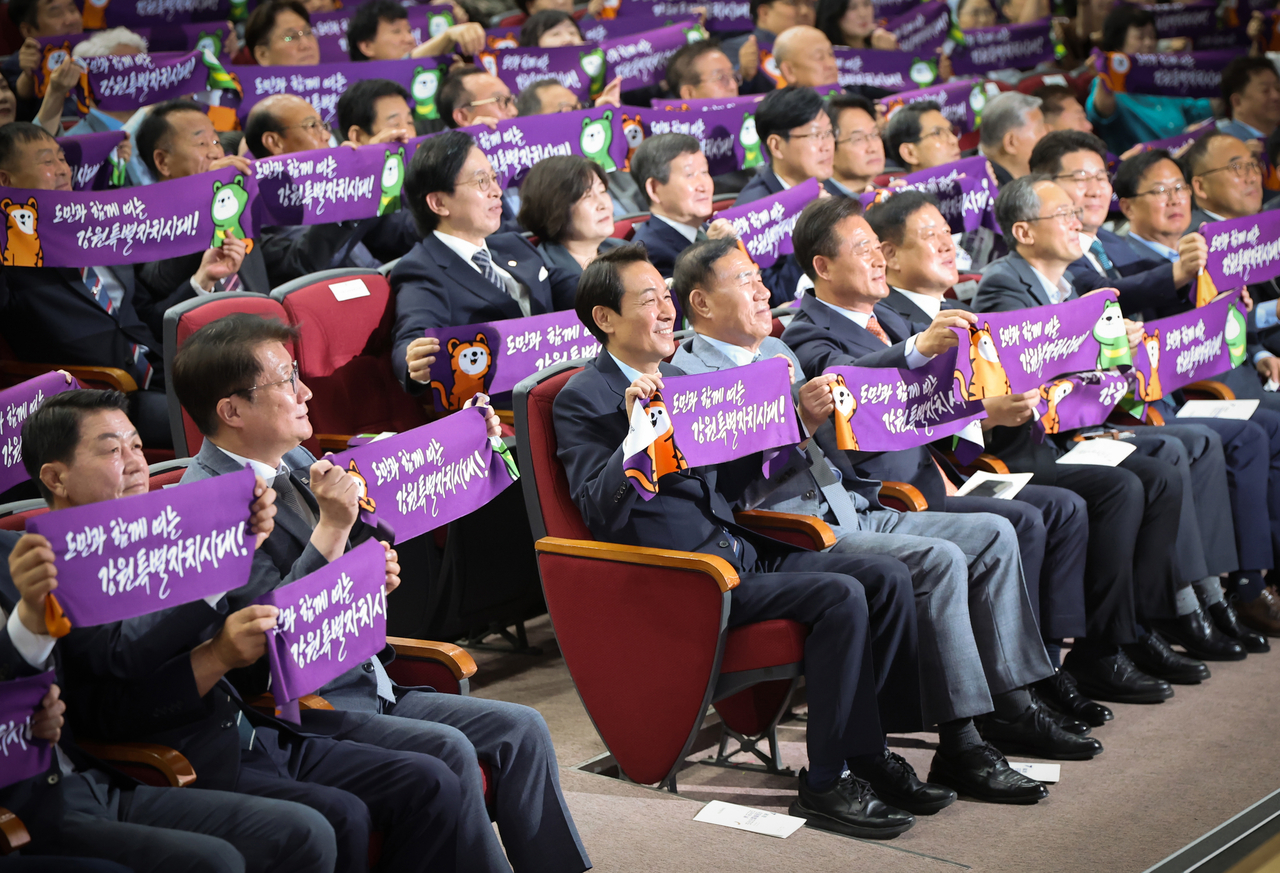
Gangwon Special Self-Governing Province Governor Woo Sang-ho began a recent interview with a look of undisguised concern, citing population decline and a weakening industrial base as he warned that "a few more years like this and we're in trouble."
As the conversation progressed, his expression shifted — from worry to resolve, and then to cautious optimism. Woo outlined a set of action tasks sharpened through field visits and consultations with local residents and experts, and described a string of positive developments he had been working toward even before taking office: large-scale corporate investment commitments and a pledge of more than 1 trillion won ($675 million) from companies with ties to Gangwon Province. "Change in Gangwon has begun," he said, his tone now firm. He also noted that opposition-party mayors and county chiefs had expressed a willingness to cooperate, calling their support vital to his administration.
Beyond the province's celebrated coastline, Woo laid out a vision to transform the forests of the Baekdudaegan mountain range into hot and hip destinations — part of a broader plan to make Gangwon "the Switzerland of Asia." He smiled as he predicted that "Gangwon is going to become a lot more exciting."
Highway and other infrastructure links connecting Seoul, Gyeonggi Province, the Chungcheong provinces and Gangwon Special Self-Governing Province are also advancing at pace. Though not listed among the formal sub-tasks, a rail connection between Chuncheon and Wonju is expected to materialize as well — the proposal was the subject of a National Assembly forum held during the June 3 local elections campaign.
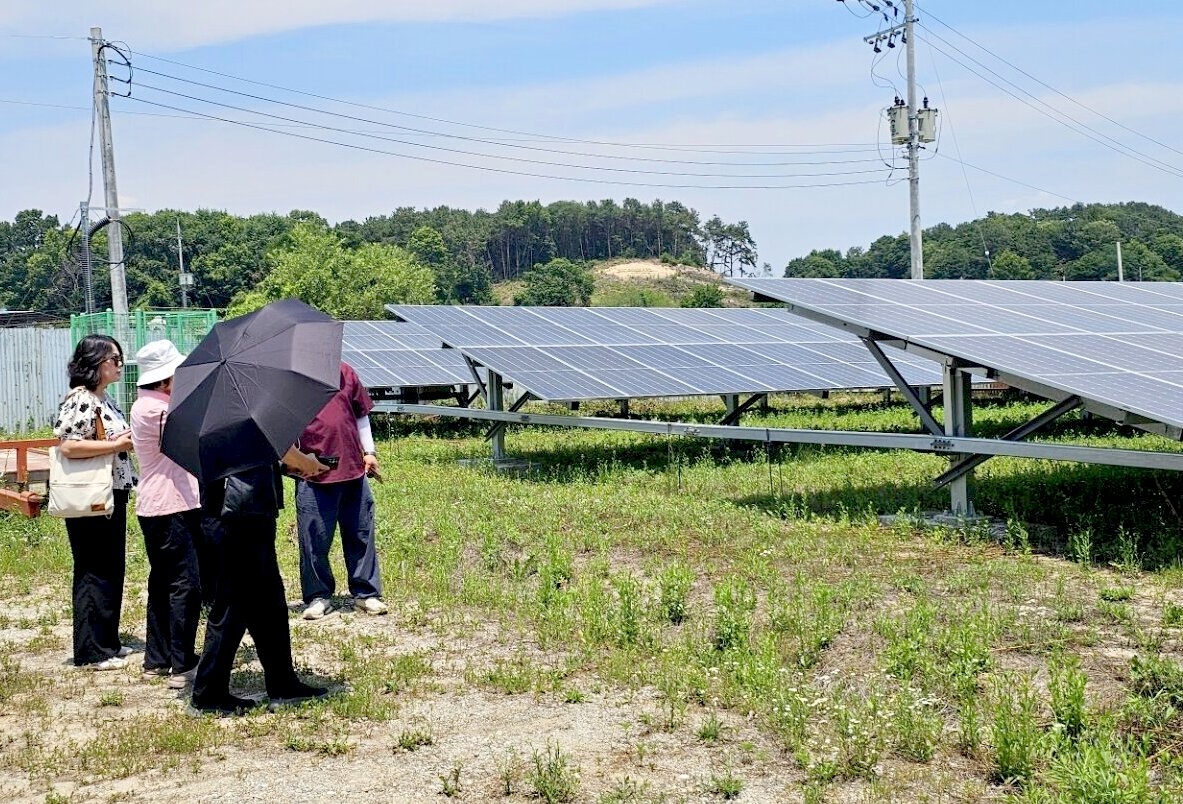
Governor Woo has designated four priority projects: attracting more than 100 trillion won in AI data center investment to create a hub for cutting-edge technology development shared by major domestic conglomerates and global big-tech firms; expanding the supply of publicly rented housing centered on young people to stem population outflow and draw new residents to Gangwon Province; building a "clean-energy highway" by installing two to three rows of solar panels running east to west along 100 kilometers of the civilian control line; and pushing ahead with a peace economy special zone covering the border areas of Goseong, Inje, Yanggu, Hwacheon-gun and Cheorwon.
The governor's transition committee spent two to three months — from the campaign period through roughly 20 days after his inauguration — conducting direct field visits and refining its strategy before settling on the slogan "Make Gangwon special, make residents happy" for the ninth elected-term administration, along with three governing principles: clean Gangwon, youthful Gangwon and peaceful Gangwon. The vision, built around the Korean characters for "clear" and "green-blue," aims to make the province productive.
The goal is a Gangwon Province where pristine nature becomes a driver of growth, young people can pursue their dreams, and peace translates into economic opportunity. To that end, the administration has finalized five strategies, 12 action tasks and 80 detailed sub-tasks, outlined below.
Under the first strategy — innovation-led growth based on clean resources — Action Task 1 focuses on building clean-resource industrial clusters. Sub-tasks include establishing a Gangwon-style food-convergence industrial cluster, pursuing a Gangwon-style forest-economy industrial belt, concentrating forest-product processing and distribution centers, supporting the activation of the HAPPY700 Pyeongchang green biotech initiative, and supporting the creation of a deep-sea water convergence industrial cluster.
Action Task 2 covers nurturing clean energy and natural-substance industries. Sub-tasks include pursuing the clean-energy highway (a priority project), advancing a water-and-light energy lake belt, upgrading an AI-based natural-substance bioindustry, and establishing a national industrial complex for natural-substance biotech.
The second strategy — nurturing cities where people settle happily — opens with Action Task 3 on expanding the metropolitan transport network and social overhead capital infrastructure. Sub-tasks include early ground-breaking for the Dumuri Pass tunnel, early ground-breaking for the Gwangdeok tunnel, extending the Sokcho–Goseong East Sea expressway, early ground-breaking for the Yongmun–Hongcheon railway, early ground-breaking for the east-west expressway linking Yeongwol and Samcheok, swift progress on the Pocheon–Cheorwon expressway, building an integrated Gangwon-style transport connectivity network, expanding eco-friendly public transport and its infrastructure, and reflecting provincial infrastructure projects in statutory plans for early completion.
Action Task 4 addresses strengthening welfare, education and medical infrastructure. Sub-tasks include creating a local industry-academia cooperation ecosystem in partnership with universities, providing welfare support for civil-military coexistence, attracting and establishing foreign educational institutions, pursuing Gangwon-tailored specialized high schools, building an integrated regional essential public healthcare system for Gangwon, significantly expanding community sports facilities, strengthening integrated care for children and youth in local neighborhoods, expanding the supply of publicly rented housing centered on young people (a priority project), strengthening integrated care for elderly residents under the "Moduae" program, promoting community participation through support for the independence and employment of people with disabilities, and expanding the introduction of special transport services for people with disabilities.
Action Task 5 focuses on revitalizing local communities and improving livelihoods. Sub-tasks include supporting the activation of the social solidarity economy and village communities, promoting women's economic independence and social participation, strengthening protections for workers' safety and rights, supporting Gangwon small business owners and the self-employed while reinforcing the social safety net, pursuing the development of a Gangwon-style self-sustaining retirement village complex, gradually expanding a basic income program for Gangwon's farming, mountain and fishing villages, supporting the creation of a mixed cultural hub on the livestock station site, establishing a Gangwon-style companion-animal culture, and pursuing citizen-participatory urban regeneration and redevelopment projects in older city centers.
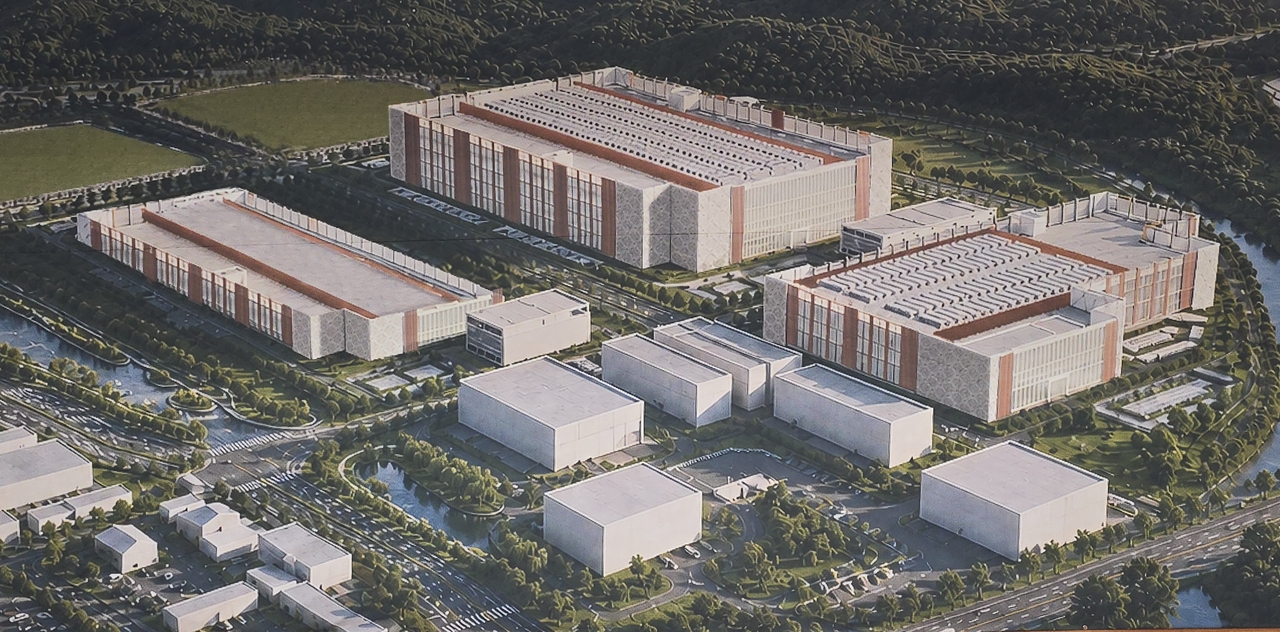
The third strategy — nurturing Gangwon-style strategic industries — begins with Action Task 6 on fostering AI and biotech advanced industries. Sub-tasks include nurturing a Gangwon biotech and medical AI-transformation industry, attracting AI data centers (a priority project), establishing a Gangwon global industry and trade organization, building a K-quantum biotech cluster, pursuing designation of a Gangwon biotech mega special zone, building a medical AI-transformation industrial cluster, and supporting the advancement of a national antibody cluster.
Action Task 7 covers building industrial hubs and a foundation for future industries. Sub-tasks include supporting the development of Donghae Port and Mukho Port as marine economy hubs, supporting structural upgrading of the Bukpyeong industrial complex, pursuing the conversion of coal-industry transition areas into advanced smart-farm complexes, creating a future-energy resource cluster covering clean methanol and mineral industries, creating a future-energy resource cluster for coal and hard rock, building a Gangwon-style liquefied hydrogen industrial cluster, strengthening Gangwon's hub for industrializing nationally strategic critical minerals, supporting the activation and infrastructure expansion of the Daepo agricultural-industrial complex, advancing the future mobility industry, supporting the installation of solar panels on livestock barn rooftops, and nurturing an industry that converts livestock waste into resources and clean energy.
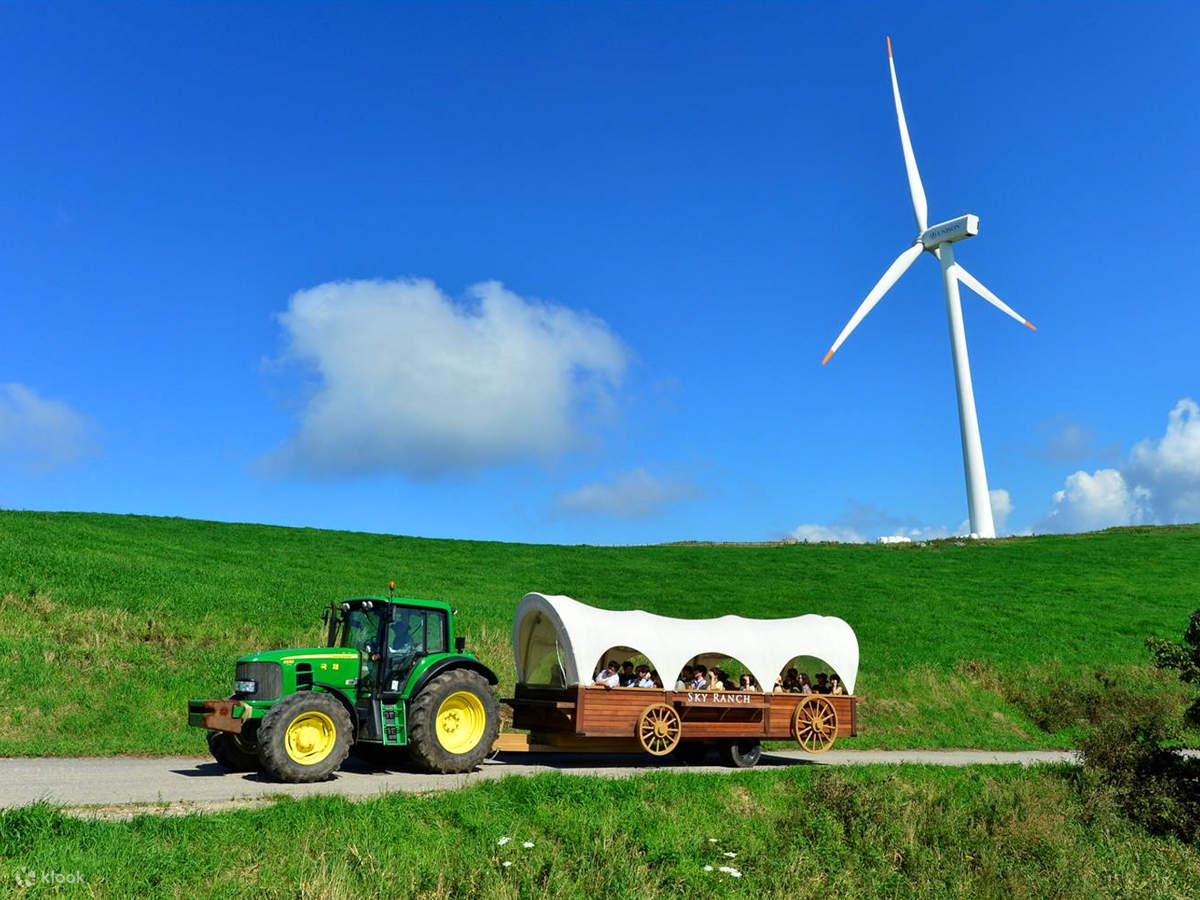
The fourth strategy — activating global stay-and-tourism — opens with Action Task 8 on creating world-class tourism hubs. Sub-tasks include pursuing a four-season tourism and leisure complex, developing Sokcho Port as a premium tourism and logistics hub for the East Sea rim, and supporting the activation of Yangyang Airport and international tourism.
Action Task 9 focuses on expanding stay-oriented tourism content. Sub-tasks include creating a world-class trekking course, developing a forest wellness tourism complex, reorganizing fish markets along the East Sea coast, swiftly advancing the Jangho Port fishing-village revitalization project, creating a world-class mixed tourism complex, operating a marine healing program and building a dedicated center, developing the Donggang River into an ecology, history, recreation and experience tourism belt, supporting the creation of a sports and tourism complex utilizing the Winter Olympics legacy, promoting tourism centered on humanities and historical heritage, and developing humanities and rural healing workcation tourism cities.
Action Task 10 covers specializing cultural, garden and tourism resources. Sub-tasks include creating a lakeside local garden and supporting its designation as a national garden, developing a culture and arts theme town, branding Gangwon's identity through the use of idle spaces in older city centers, developing "Gangwon goods" merchandise and expanding dedicated online and offline retail channels, and removing coastal barbed-wire fencing while replacing landscape fencing in areas where it is retained.

The fifth strategy — leading the peace economy — begins with Action Task 11 on building a peace economy foundation. Sub-tasks include creating a specialized complex for defense drone education and demonstration, and pursuing a peace economy special zone for Gangwon's border areas (a priority project).
Action Task 12 addresses activating DMZ peace tourism. Sub-tasks include promoting a DMZ ecological peace tourism route, supporting the development of a large-scale tourism complex at Jeongja-ri, supporting the creation of a park golf hub, and supporting the development of local gardens and garden cities.
abc@heraldcorp.com