
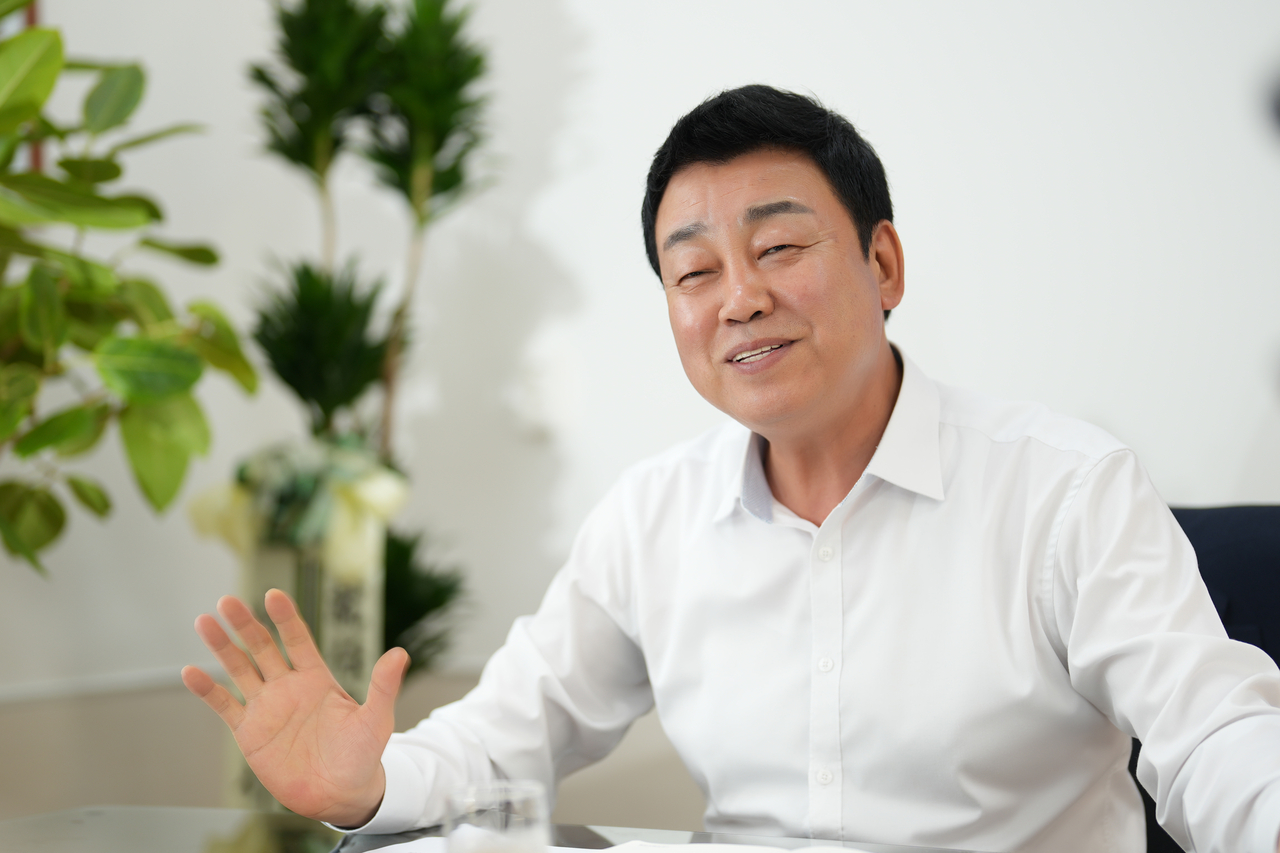
Seong Heum-je, deputy speaker of the Seoul Metropolitan Council and a Democratic Party of Korea lawmaker representing Eunpyeong District 1, said the will of citizens must be the top priority in Seoul's administration, and identified housing stability for young people, urban safety and climate response as the city's most pressing challenges.
Speaking in an interview Tuesday, Seong said the council's role is to take the public's mandate most seriously. "Correcting flawed administration and creating real change in people's lives — that is the responsibility of local government," he said.
He identified housing and transportation as the issues citizens feel most acutely in their daily lives. He said the lack of jobs for young people and the burden of housing costs affect marriage, childbirth and long-term financial independence, making comprehensive measures — not just short-term support — essential.
He also called for a shift away from family-centered housing policy to reflect the growing number of single-person households in Seoul, saying the city should expand the supply of small public housing units suited to young people and single residents and build a support system that allows stable, long-term tenancy.
As a means of increasing housing supply, he proposed making active use of underutilized urban land such as vehicle depot sites, arguing that suitable plots can be found without encroaching on greenbelt areas. He added that redevelopment and reconstruction projects should not only accelerate supply but also expand schools, parks and transportation infrastructure to improve residents' living conditions.
Han River Bus, TBS: 'Public value and citizen benefit must both be considered'
Seong also addressed two major issues facing Seoul: the Han River Bus service and TBS. On the Han River Bus, he said punctuality and accessibility are the core requirements of any public transit system, but the current service is structured in a way that makes it difficult for citizens to use as an everyday mode of transport. "We need a comprehensive review — not just of the project costs and operating deficits, but of safety and operational efficiency as well," he said.
He added that because rescue and emergency response on water is inherently difficult, the city must strengthen coordination with relevant agencies including the fire department and ensure that sufficient specialist safety personnel are in place.
On TBS, he said decisions about support policy and operational direction must weigh the broadcaster's public mandate, citizen benefit and the realities facing its staff.
While some hosts or programs may be candidates for reform, he said the employment of staff who have built up expertise over many years must also be considered as a matter of policy. He called for a normalization plan centered on public value and citizen benefit rather than political judgment.
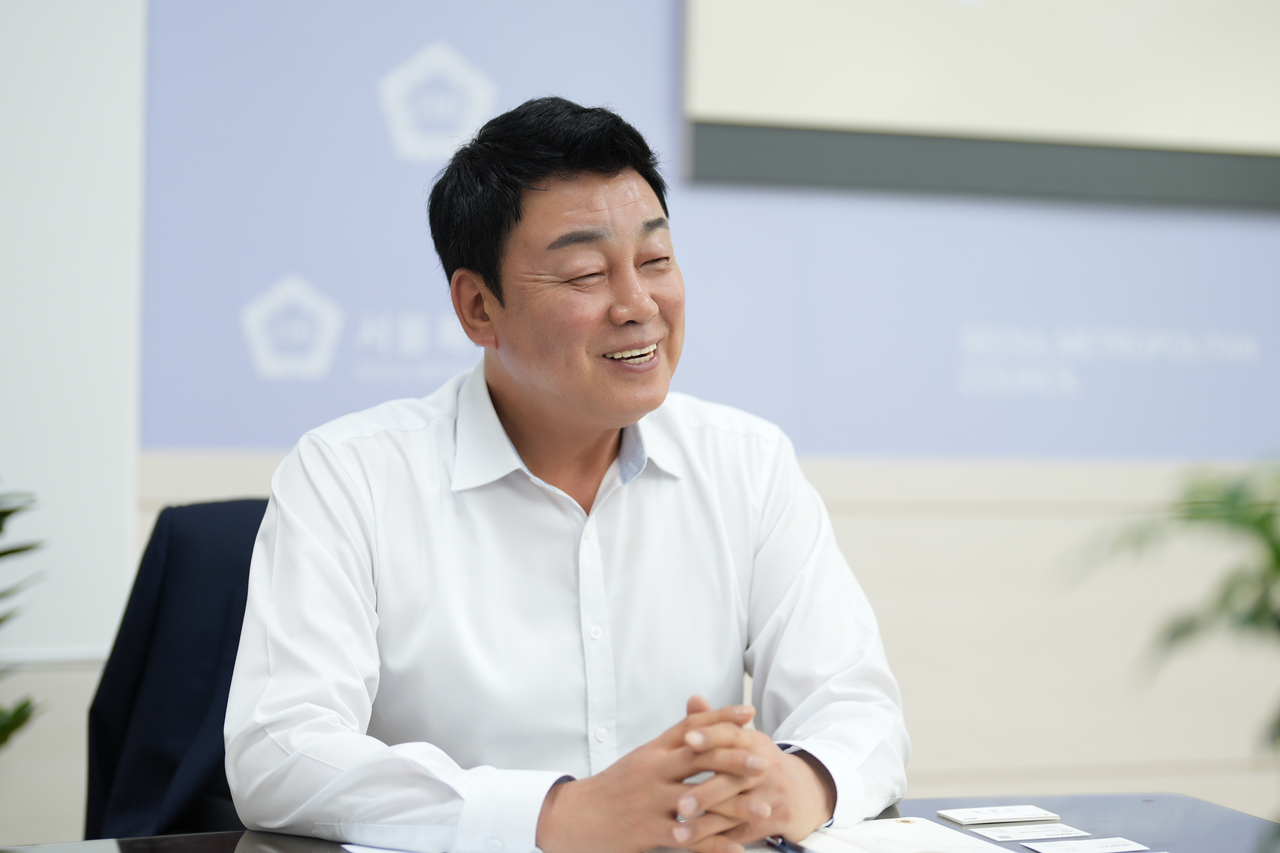
'Strengthen prevention-first urban safety — and deliver results citizens can feel'
Seong also flagged safety risks from urban aging as a key challenge. "The older a city gets, the more safety becomes not a choice but the foremost value," he said, calling for preemptive inspections and stronger accident-prevention systems covering the subway, communications infrastructure, below-ground structures and aging facilities.
He said administrative accountability for underground excavation and facility management must also be strengthened, particularly as redevelopment, reconstruction and large-scale construction sites multiply. Rather than focusing on damage control after accidents occur, he said the city needs a prevention-first safety management system that identifies and addresses hazards in advance.
He said the council must also support public safety through oversight of the executive branch and active policy proposals — drawing lessons from past major disasters to tighten on-site inspections and safety standards, and continuously reviewing emergency response systems to ensure they can be activated quickly when accidents happen.
On climate response, he proposed a city policy centered on public transportation. With extreme weather — heat waves, heavy rain and heavy snowfall — becoming routine, he said the city should expand urban heat-island mitigation projects such as road cooling systems and improve conditions for public transit users.
He said road diets, improved parking policy and expanded public transit services, taken together, can reduce private vehicle use in ways that advance carbon neutrality, ease traffic congestion and improve the living environment for citizens.
Seong said he also intends to focus, as deputy speaker, on resolving local issues and supporting fellow council members in their legislative work. He plans to monitor how citizen complaints are handled so they do not languish in administrative procedures, and to ensure that voices from the field translate into concrete policy and budget decisions.
"I will continue to do my best to identify policies that improve citizens' lives and to hold Seoul's administration accountable," he said.
7toy7@heraldcorp.com





