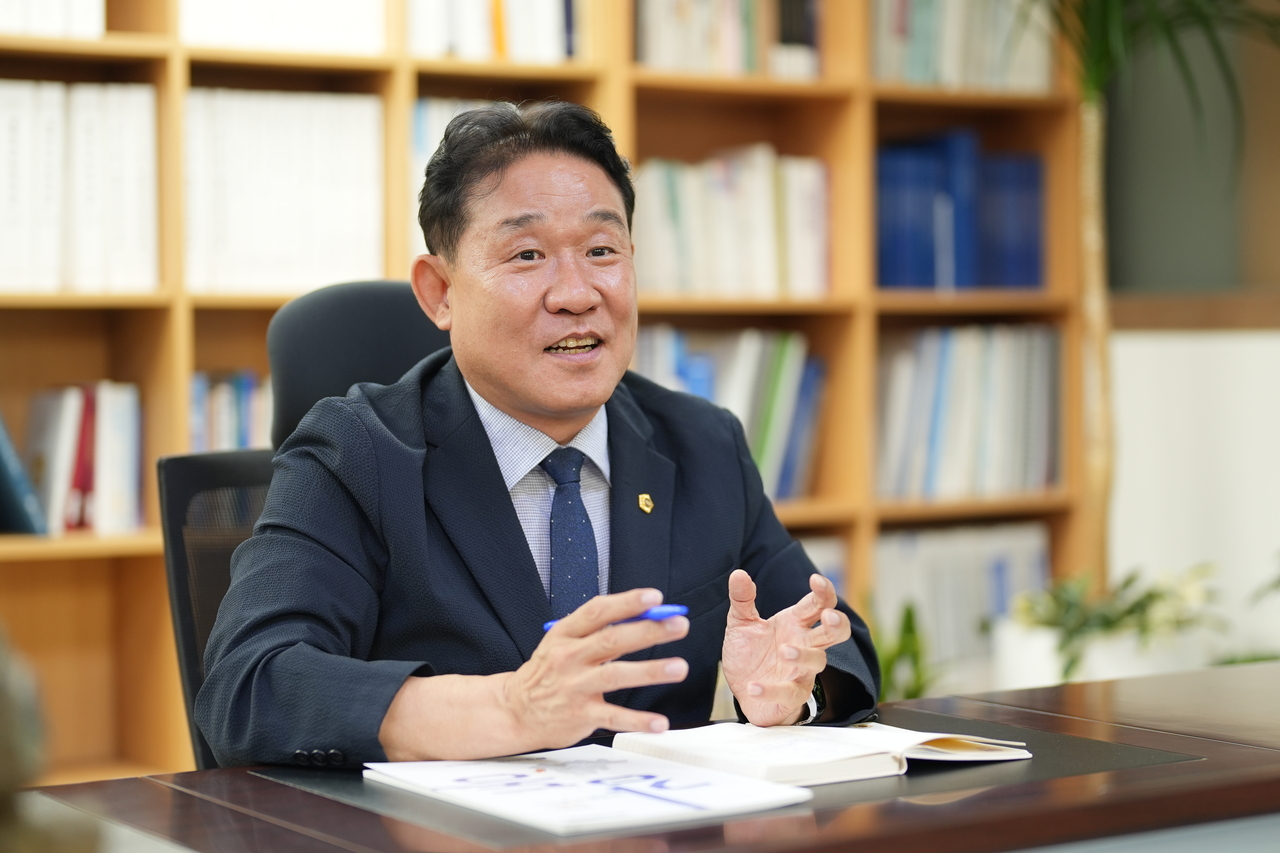
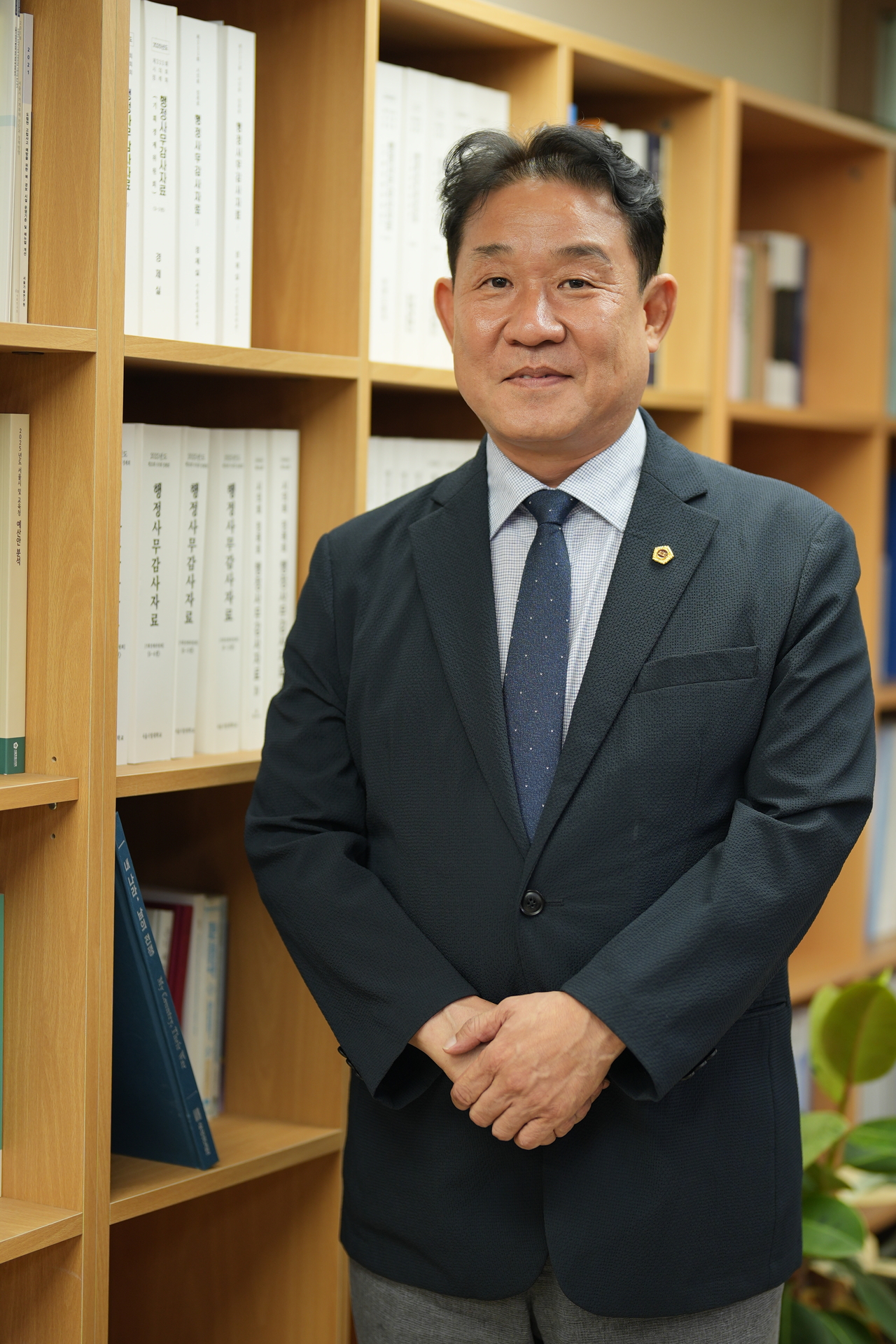
Lee Jun-hyung, chair of the Seoul Metropolitan Council's Planning and Economy Committee and a Democratic Party of Korea lawmaker representing Gangdong-gu District 3, has identified "sustainable, quality jobs" as the defining measure of success for Seoul's economic policy. He outlined a vision to expand investment in future industries such as AI and biotech while strengthening the self-reliance of small businesses and neighborhood commercial districts, creating an economic structure in which growth and everyday livelihoods reinforce each other.
In an interview with The Herald Business on Monday, Lee said the city must go beyond simply supporting companies and industries and closely examine whether policy outcomes translate into actual employment gains and tangible improvements in residents' lives.
"The results of Seoul's economic and livelihood policies must be proven through sustainable, quality jobs," he said. "How much a given policy improves citizens' lives and how many new jobs it creates are the key criteria by which it should be judged."
Strengthening the committee's role as policy control tower for economic and fiscal affairs
The Seoul Metropolitan Council's Planning and Economy Committee oversees the Office of Planning and Coordination — which manages the city's organization, budget and finances — as well as the Economy Bureau and the Livelihood and Labor Bureau. Lee defined the committee's role as a "policy control tower" that designs Seoul's future and coordinates the direction of its economic and fiscal policies.
He said his legislative focus will be on maintaining fiscal soundness while securing future growth engines, and achieving a recovery in everyday economic conditions that residents can actually feel.
Lee said what matters more than the size of a budget or its execution rate is whether the resources invested have led to real gains in employment, consumer spending and local economic vitality.
He put forward "fiscal soundness" and "selectivity and concentration" as the guiding principles of budget review. Large-scale investment projects will be scrutinized for feasibility and financing plans; funds will be actively channeled into areas that drive future growth and improve residents' lives, while programs that deliver poor results will be restructured.
"Showy projects and redundant or inefficient programs will be boldly restructured," he said. "Budget will be concentrated on initiatives with proven results and areas of genuine need."
On Seoul's employment policy, Lee said the city must strengthen coordination and follow-up management across programs scattered among different departments and agencies. He said it is important to systematically track the outcomes of individual programs while building a structure in which work experience gained through public-sector jobs can lead to stable private-sector employment.
He also identified tailored job placement and employment linkages for young people who face barriers to entering the labor market — including isolated and reclusive youth — as a key priority.
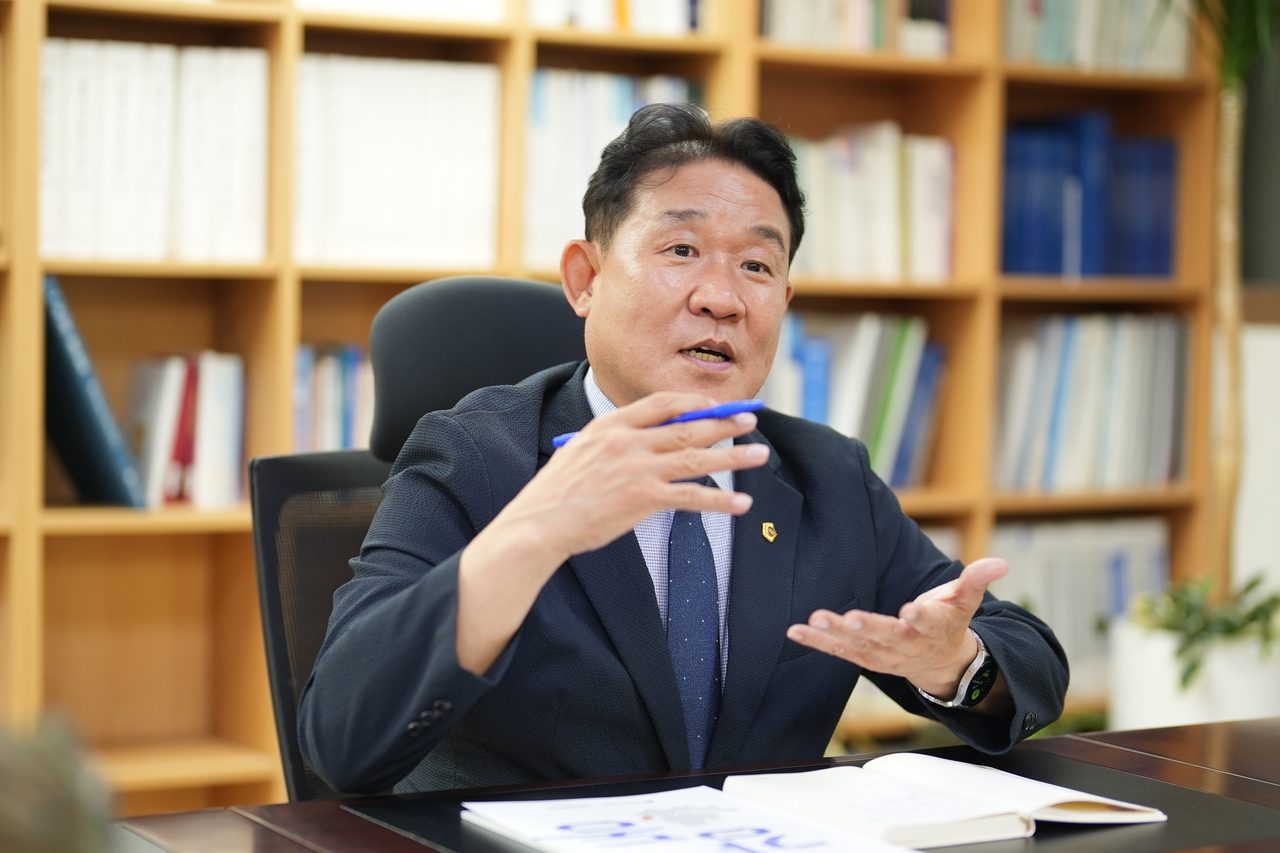
During his two-year term as committee chair, Lee plans to accelerate the development of new industries that will sustain Seoul's economic future. He views AI as the core foundational technology that will determine the city's industrial innovation and urban competitiveness, and said he intends to focus the committee's policy efforts on building an ecosystem where AI companies and talent can take root in Seoul.
He said collaboration among companies, research institutions and universities should be expanded around hubs such as the Yangjae AI Cluster and the Suseo Robotics Cluster, and that an integrated foundation connecting technology development, commercialization, investment attraction and talent cultivation must be put in place. Investment in advanced industries such as AI and robotics, he said, should feed a virtuous cycle in which promising companies grow and quality jobs that young people want are created.
However, Lee said large-scale investment in future industries must not end up concentrating benefits on a handful of companies or specific areas. He said he will continuously monitor whether the city's fiscal outlays and various policies genuinely help small and medium-sized enterprises and startups strengthen their technological competitiveness and expand new business opportunities — and ultimately whether they deliver broader employment.
"I will keep watching to the end to ensure that the results of AI investment do not stop at large companies but flow through to the growth of small and medium-sized enterprises and startups, and to the creation of quality jobs for citizens," he said.
Alongside developing future industries, Lee identified revitalizing small businesses and neighborhood commercial districts as another core task for Seoul's economic policy. He said the city must pursue long-term growth engines through advanced industries while implementing livelihood measures that allow small business owners struggling with the economic slowdown and weak consumer spending to feel real change on the ground.
He said small business policy must shift away from short-term cash support toward approaches that build self-reliance and a stable sales base. Policy funds and financial programs should ease the burden on business owners, he said, while practical measures to boost competitiveness — such as branding tailored to the character of each commercial district and diversifying sales channels — also need to be developed.
He is particularly focused on linking traditional markets and neighborhood commercial districts with local festivals and cultural and tourism resources to draw visitors and convert foot traffic into actual spending. Moving beyond simple fiscal injections and combining a district's unique content with the appeal of its commercial area to generate steady consumer demand, he said, is what will ultimately raise the self-reliance of local merchants.
Lee views strategic investment in future industries and the recovery of everyday livelihoods not as an either-or choice but as the two pillars supporting Seoul's economy. The Planning and Economy Committee, he said, will concentrate its efforts on creating new jobs through emerging industries such as AI and robotics while injecting vitality into small businesses and neighborhood commerce, producing changes and results that citizens can feel.
Attracting firms to Godeok Biz Valley to drive local jobs and neighborhood commerce
In his home district of Gangdong-gu, Lee plans to link the attraction of advanced industry to job creation centered on Godeok Biz Valley. Rather than treating the arrival of companies as an end in itself, he said the new industrial base must spread into tangible economic benefits — broadening employment opportunities for residents and injecting vitality into surrounding commercial districts.
He said he will work to expand hiring programs that connect tenant companies with local talent and create conditions for young people to find good jobs nearby and put down roots. He also plans to continuously improve transport access and everyday infrastructure so that companies and workers can settle in stably, while exploring ways to ensure that the development benefits of Godeok Biz Valley spread evenly to neighboring commercial districts and the wider community.
Lee sees industrial base expansion and job creation as a single continuum. He said he will build a virtuous cycle in which attracting quality companies drives employment for local talent and revitalizes commercial districts, and the resulting rise in urban competitiveness in turn draws new investment and industries. He also intends to explore ways to extend the experience and results accumulated in Gangdong-gu to Seoul's broader industrial and employment policy.
After graduating from university, Lee began his career as a secretary to the Gangdong-gu Council speaker, and has since served as a National Assembly legislative aide, chief of staff for the Gangdong-gu office, and a Seoul Metropolitan Council member. Having worked closely with local councils, the National Assembly and local government, he counts as a strength his ability to observe the full arc from how policy is made to how it is executed in the field and how it affects citizens' lives.
Drawing on that experience, he said he is determined to scrutinize Seoul's fiscal and economic policies in their entirety during his term as committee chair — ensuring that limited resources are allocated efficiently to where they are needed, and closely checking whether investment in future industries translates into new business opportunities and job growth, and whether livelihood measures lead to greater business stability for small business owners and genuine improvements in residents' lives.
He was also clear that he will not judge policy outcomes by budget execution rates or project scale alone. He said he will assess the effectiveness of programs by the changes residents actually feel in their daily lives, and pursue balanced policies that secure future growth engines while giving robust attention to everyday livelihoods. Through this approach, he said, he will lead the Planning and Economy Committee in raising Seoul's industrial competitiveness and ensuring that the fruits of that effort return to citizens in the form of quality employment and vitality in neighborhood economies.
7toy7@heraldcorp.com