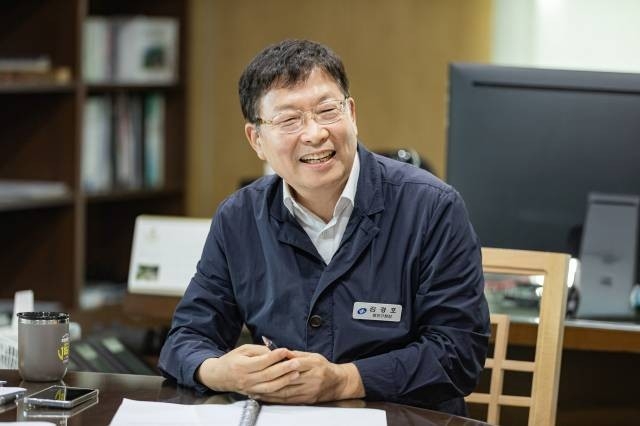
Gwangjin-gu is strengthening its protection network for heat-vulnerable residents as the district endures a summer intense enough to trigger its first extreme heat alert of the year, district Mayor Kim Kyung-ho said.
Although the extreme heat alert has since been lifted, the district will keep its protection system running until the heat fully subsides, focusing on elderly people living alone, people with disabilities, those with chronic illnesses and homeless individuals. The district plans to continue tailored support — including welfare checks, home health visits, cooling-cost subsidies and heat shelter operations — and to swiftly connect anyone showing signs of distress to medical institutions and welfare services.
Welfare checks are being conducted for elderly residents living alone or with limited mobility. Community service centers, senior care services and free meal and beverage delivery programs are working in coordination to monitor residents' health and safety through phone calls and home visits.
For elderly residents enrolled in solo-living care programs, lifestyle support workers make regular visits to explain heat safety guidelines, while IoT-based safety management solutions and smart care services monitor for emergencies around the clock. Community service centers make daily welfare calls, and neighborhood welfare planners visit homes in person to deliver dosirak and check on residents' health and safety. Beverage delivery workers also check on seniors during their rounds, and any signs of distress are immediately reported to the nearest community service center, maintaining a tight-knit care network.
On-site inspections continue at 59 senior centers and two senior welfare centers. Staff are checking whether cooling systems are functioning properly and whether residents can use the facilities without difficulty, with plans to monitor conditions regularly throughout the heat wave.
Home health management for people with chronic illnesses and other health-vulnerable residents is also being stepped up. Visiting nurses measure blood pressure and blood sugar levels, provide health consultations and advise residents on heat illness prevention and how to use cooling shelters. Anyone found to have a health problem is promptly referred to a clinic or emergency medical facility.
In addition, in coordination with the Seoul Metropolitan Government's special heat wave measures, low-income households — including basic livelihood recipients and near-poverty households — are receiving 50,000 won ($35) per household in cooling-cost support to ease the financial burden and help residents get through the summer safely.
The district is also expanding shelter operations so residents can escape the heat close to home. Gwangjin-gu currently operates 97 heat shelters, including senior centers and welfare centers, along with 23 smart shelters. When a heat wave alert is issued, operating hours at community service center heat shelters are extended by two hours, keeping them open until 8 p.m., and all 15 community service centers are providing free iced water throughout August.
The mobile worker rest shelter is open 24 hours a day, including weekends, throughout August, and the district office building is open around the clock for residents who need emergency refuge from the heat at night.
Heat-reduction facilities across residential areas are also being actively operated. Over the past three years, the district has installed 118 additional shade structures, bringing the total to 289 — equivalent to 8.75 structures per 10,000 residents, the highest ratio among Seoul's autonomous districts. The district also operates 14 cooling road and cooling fog installations.
To reduce the urban heat island effect on major arterial roads, the district is deploying water-spraying trucks and road-cleaning vehicles intensively, while district administrative vehicles extend water spraying to residential back streets and neighborhood roads.
"Heat waves are not merely a seasonal inconvenience — they are a disaster that threatens the lives and health of our residents," district Mayor Kim said. "We will pay particularly close attention to heat-vulnerable residents, including the elderly, people with disabilities and those with chronic illnesses, and maintain a protection system with no gaps."
seouldream01@heraldcorp.com