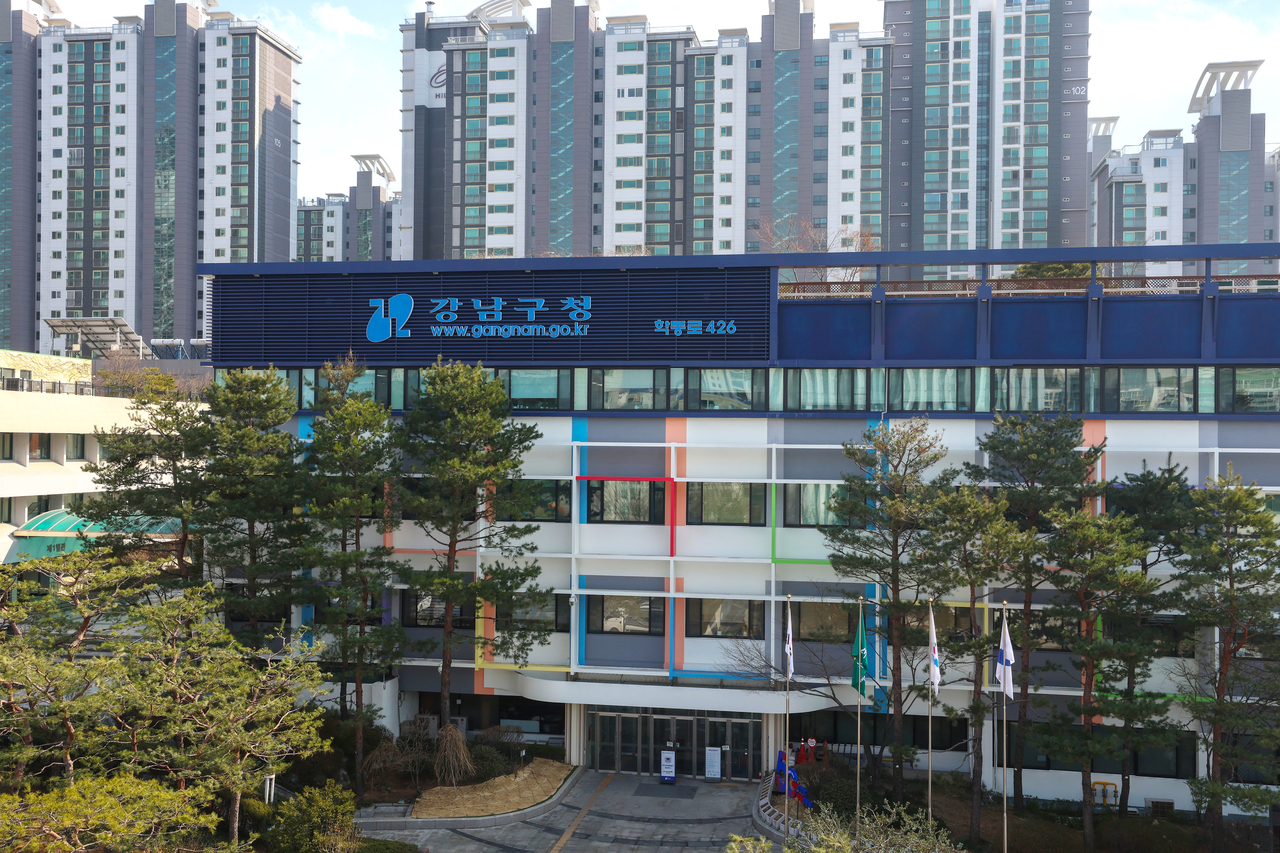
Gangnam-gu, led by District Mayor Kim Hyun-ki, has uncovered 153 unreported acquisition tax cases worth 200 million won ($141,000) after conducting a comprehensive audit of acquisition tax filings for elevators and sports facility memberships.
The district cross-referenced separately obtained records against acquisition tax filings using a program built with generative AI and Python, then gave taxpayers with unreported cases the opportunity to self-report before any action was taken.
"I had no idea I had to file an acquisition tax return just for replacing an elevator — it's not like I bought a new building," said one taxpayer, identified only as A, who learned of the obligation only after receiving guidance from the district office. Under tax law, acquisition tax filings are required not only when an elevator is newly installed but also when an existing unit is replaced. Acquiring a membership at a comprehensive sports facility also triggers a filing obligation.
Records of elevator installations and replacements, as well as sports facility membership acquisitions, are not readily accessible through existing tax administration systems, making it difficult to verify whether filings had been made. Treating this as a blind spot in tax base management, the district separately obtained elevator permit data and sports facility membership acquisition records from the standard local tax information system and cross-checked them against acquisition tax filings.
The audit covered 2,564 registered elevator installations and replacements within the district, along with membership acquisition records from 10 membership-based comprehensive sports facilities. Comparing these against acquisition tax filings revealed 153 unreported cases in total — 135 involving elevators and 18 involving memberships.
The district applied a self-developed program using generative AI and Python throughout the investigation. The program automated the process of organizing addresses, assigning administrative district identification codes, and linking records to property tax ledgers to confirm ownership. That replaced the repetitive manual cross-referencing staff had previously done by hand, allowing large volumes of data to be sorted and classified quickly and improving overall audit efficiency.
After identifying the unreported cases, the district did not immediately move to impose taxes. It first sent guidance letters explaining the relevant regulations and the self-reporting process in detail, giving taxpayers the chance to file on their own. Direct assessments were issued only for cases that remained unreported after that.
Going forward, the district plans to conduct regular checks on acquisition tax filings for elevators and memberships rather than treating this as a one-time audit. It intends to ask the Korea Elevator Safety Agency to provide acquisition tax filing guidance at the elevator installation stage, and to request that organizations involved in membership transactions do the same at the point of new acquisition.
"This investigation focused on using AI and data technology to identify the tax base with precision, while also ensuring taxpayers who were unaware of their filing obligations would not face disadvantages through advance guidance," District Mayor Kim said. "We will work with relevant agencies to strengthen guidance from the reporting stage onward and build a fair and convenient tax-filing environment."
seouldream01@heraldcorp.com