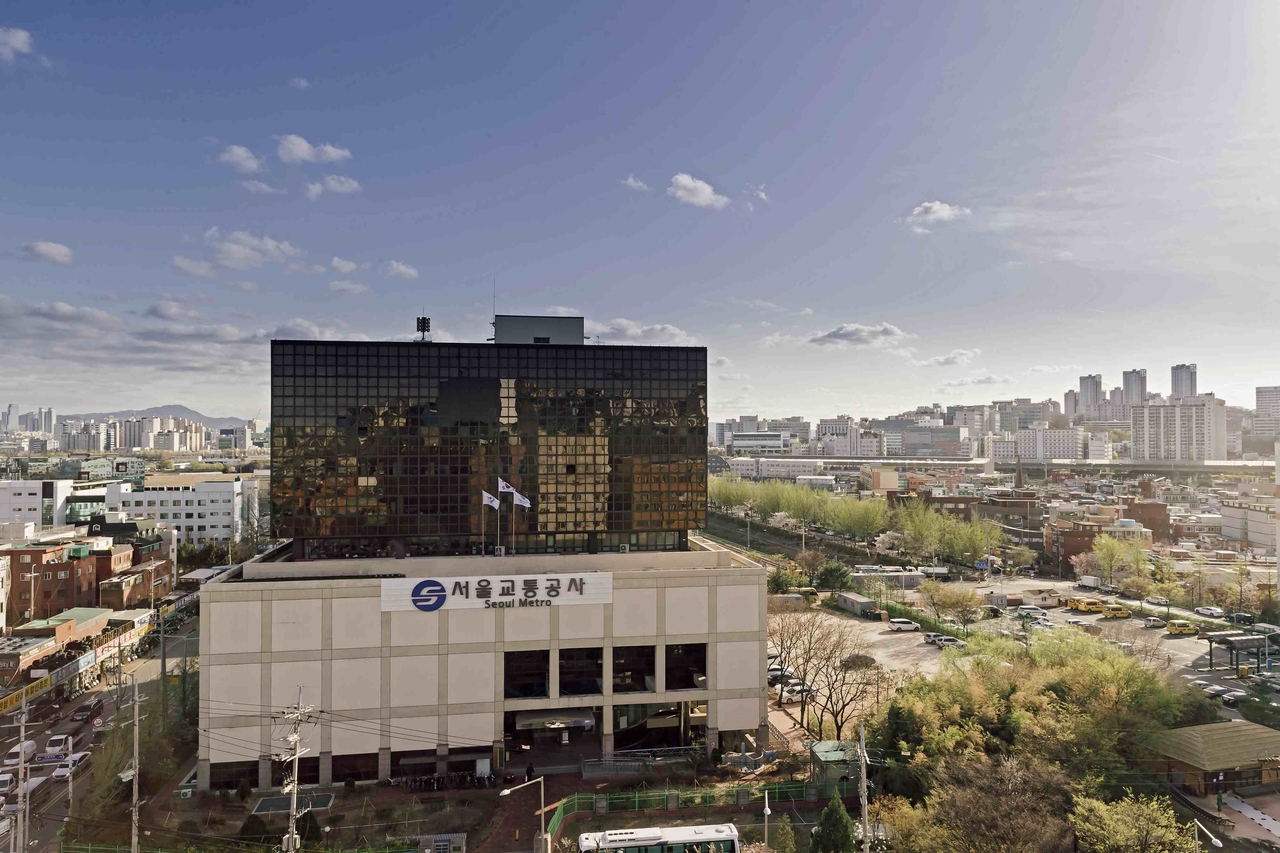
Seoul Metro said the public-service nature and operational characteristics of urban rail — which underpins the public's right to mobility — must be reflected in ongoing policy discussions as the government pushes to overhaul the industrial electricity rate system, including the introduction of regionally differentiated tariffs.
The Ministry of Climate, Energy and Environment outlined at its Aug. 4 briefing a plan to apply differentiated industrial electricity rates across four regional zones nationwide. The leading option would lower rates in non-metropolitan areas while keeping Greater Seoul rates at current levels, with the aim of boosting industrial competitiveness by factoring in transmission costs, regional power production and consumption conditions, and balanced national development.
Also under review is a separate electricity rate regime tailored to the power-consumption characteristics of AI data centers. As the government pursues rate reforms to support advanced industries, voices within the sector argue that urban rail — which bears responsibility for public mobility — equally deserves policy support that reflects its public-service role.
Seoul's subway system serves about 6.7 million passengers a day and roughly 2.4 billion a year, making it the metropolitan area's core transport artery. Beyond running trains, it operates platform screen doors, ventilation systems and elevators around the clock — safety-critical infrastructure that demands substantial and uninterrupted power.
Seoul Metro consumed about 1,292 gigawatt-hours of electricity last year. Averaged over the past five years, annual consumption runs at roughly 1,300 GWh — equivalent to 2.9 percent of Seoul's total electricity use.
Despite that scale of consumption, the system has structural limits on how flexibly it can reduce usage, meaning any rate overhaul carries significant financial consequences. Industrial electricity rate increases in recent years pushed Seoul Metro's electricity bill last year to 274.3 billion won ($199 million), a 58.1 percent increase from 2021.
Financial pressure from universal welfare obligations such as free rides for eligible passengers adds to the strain. Seoul Metro's public-service costs rose 70 percent in five years, from 479.2 billion won in 2020 to 816.7 billion won in 2025. The single largest component of last year's public-service losses was the government-mandated free-ride policy, which cost 448.8 billion won.
With the Ministry of Climate, Energy and Environment reviewing a dedicated rate structure to strengthen AI and broader industrial competitiveness, Seoul Metro said urban rail — directly tied to citizens' daily lives — also needs an electricity rate regime that reflects its public-service mission, in order to sustain stable operations and continued safety investment.
A large share of Seoul subway infrastructure has been in service since the system's opening and requires ongoing renovation investment. Seoul Metro said the characteristics of public transport, which is as directly linked to everyday life as any industrial sector, must be weighed alongside those of general and advanced industries as the electricity rate reform takes shape — to ensure that both stable operations and aging-facility upgrades can continue.
"Urban rail is a core public service that handles daily mobility and a leading eco-friendly transport mode contributing to carbon neutrality," a Seoul Metro official said. "We hope the public function and operational characteristics of urban rail — which consumes enormous amounts of electricity to guarantee the right to mobility — will be given balanced consideration in this electricity rate reform."
seouldream01@heraldcorp.com