
Lower court's 500,000-won fine thrown out, case sent back
'State should be cautious about wielding criminal punishment over such expressions'
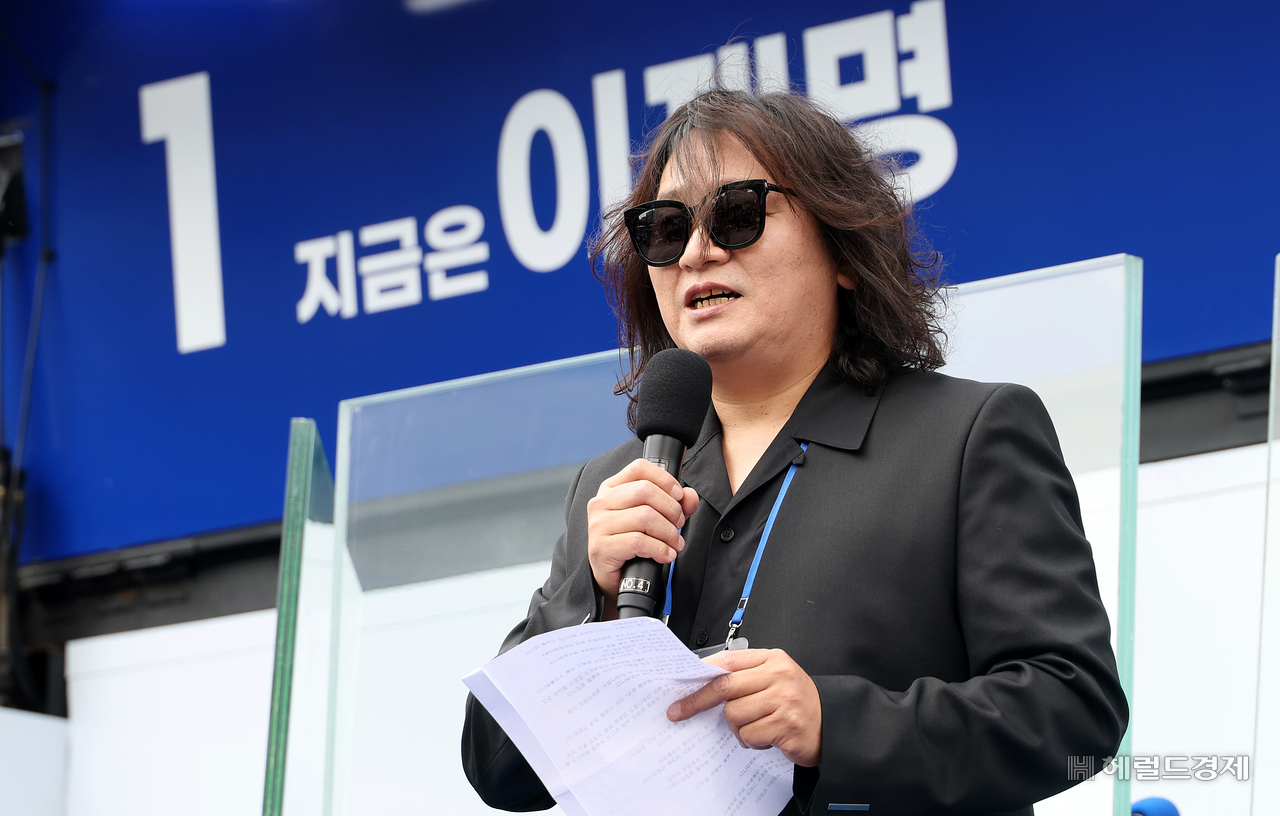
South Korea's Supreme Court has ruled that an internet user who called rock guitarist Shin Dae-chul a "thug" after he publicly endorsed then-presidential candidate Lee Jae Myung cannot be convicted of criminal insult.
According to legal sources, the Supreme Court's Second Division, presided over by Justice Kwon Young-jun, on Friday overturned a lower court ruling that had fined a 51-year-old defendant surnamed Kim 500,000 won ($361) on insult charges, sending the case back to the Jeju District Court.
The remand was issued on grounds that amount to an acquittal.
Kim was indicted after posting a comment on an online news article in February 2022 reporting that Shin had publicly declared his support for Lee. The comment read: "Does it really count as news that a thug is backing a thug?"
Both the first and second courts found Kim guilty and imposed the 500,000-won fine, ruling that the word "thug" — a colloquial term for someone of low character who habitually engages in wrongdoing — constituted an abstract judgment or expression of contempt capable of damaging a specific person's social reputation.
The Supreme Court disagreed. It found the comment difficult to characterize as "a hateful expression that seriously violates an individual's right to personality or inflicts a sense of humiliation severe enough to undermine the other person's character."
Taking into account the overall context of the comment, its manner and meaning, Shin's status as a public figure, and the nature of news article comment sections as forums for political public discourse, the court said the post appeared to be "closer to a somewhat unrefined expression of the defendant's negative or critical opinion and sentiment."
The court added that "there is a need for caution about applying the standard of criminal insult law and exercising state punitive power over expressions of this degree."
A Supreme Court official said the ruling reaffirmed existing legal doctrine — that rude expressions causing displeasure or minor abstract expressions and profanity conveying negative or critical opinions do not meet the elements of criminal insult unless they constitute hateful language that seriously violates the right to personality or inflicts a profound sense of humiliation.
jshan@heraldcorp.com





