84 patients treated in 4 years since lutetium-177 introduction
Multidisciplinary care, in-house infrastructure key to results
A targeted radioligand therapy in nuclear medicine — seen as an alternative for patients with severe prostate cancer who have not responded to conventional hormone therapy or chemotherapy — is now showing tangible clinical results.
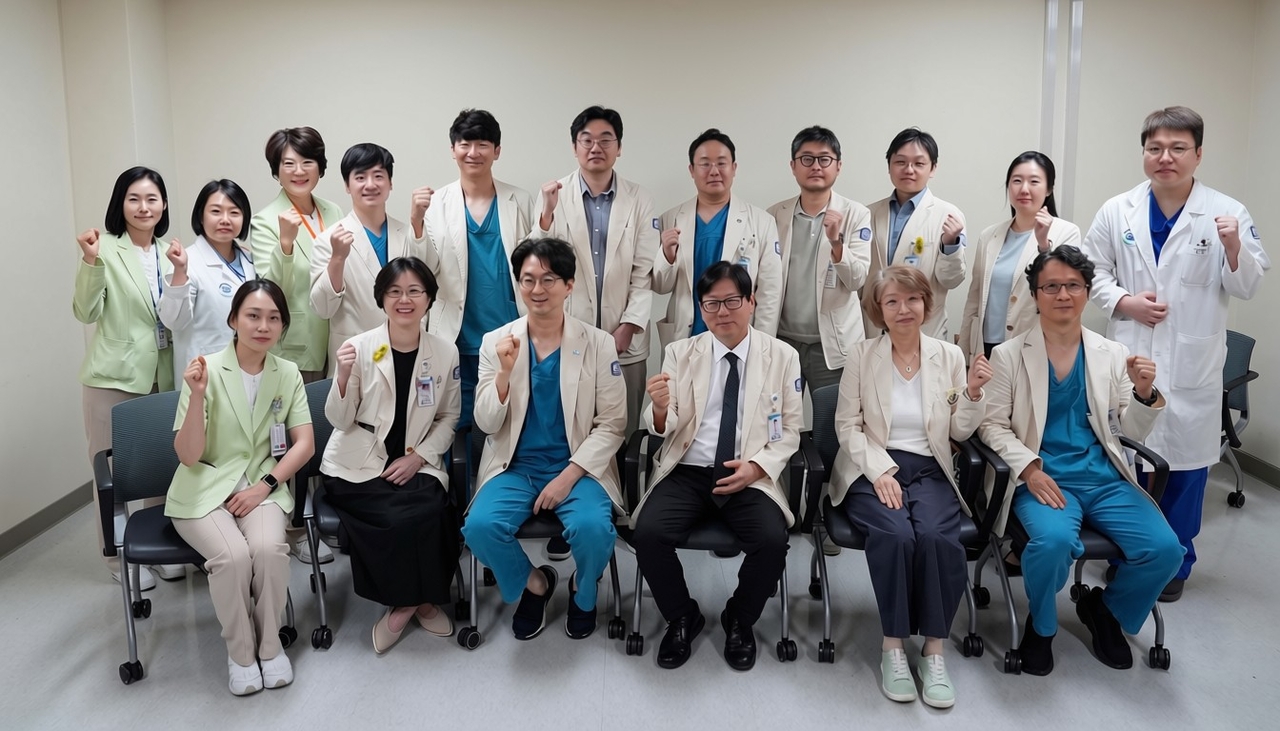
Seoul St. Mary's Hospital of the Catholic University of Korea announced Monday that its Urologic Cancer Center had recently reached 200 treatments using lutetium-177 (Lu-177) prostate-specific membrane antigen (PSMA) nuclear medicine therapy for patients with hard-to-treat prostate cancer.
The milestone reflects consistent treatment of 84 patients with metastatic prostate cancer since the hospital became the first medical institution in South Korea to introduce the procedure in November 2020. Prostate cancer has emerged as an urgent public health concern: the "2023 National Cancer Registry Statistics," released recently, showed it ranked first in cancer incidence among Korean men for the first time in history.
The achievement goes beyond a simple count. It demonstrates that a multidisciplinary theranostics system capable of improving patient survival rates has taken stable root in South Korea. Theranostics is a cutting-edge medical approach that combines diagnosis and therapy to deliver personalized treatment.
The primary target population is patients with metastatic castration-resistant prostate cancer — a stage at which the disease no longer responds to androgen deprivation therapy. Because treatment options at this stage are extremely limited and prognosis is poor, a thorough, multifaceted assessment of each patient's overall condition and prior treatment history is essential.
The core of nuclear medicine therapy lies in targeting the PSMA protein, which is prominently expressed on the surface of metastatic cancer cells. Clinicians first use imaging to map the distribution of tumors in the body and assess PSMA expression levels. Only patients who meet the criteria then receive an intravenous infusion of the therapeutic radioisotope lutetium-177. The drug circulates through the bloodstream, binds to targeted cancer cells and emits beta radiation within a range of just a few millimeters, precisely destroying cancer cell DNA without damaging surrounding healthy tissue.
Seoul St. Mary's Hospital is currently participating in multiple clinical trials for new drugs on top of treatments already approved by the Ministry of Food and Drug Safety, building an expanding body of evidence. The hospital also enhances the safety and efficiency of treatment through a multidisciplinary consultation network in which specialists from urology, oncology, radiation oncology, radiology, pathology and nuclear medicine meet on a regular basis.
"Reaching 200 treatments means Seoul St. Mary's Hospital has accumulated the experience and capability to systematically carry out the entire theranostics process for prostate cancer," said Oh Ju-hyun, a professor in the Department of Nuclear Medicine at Seoul St. Mary's Hospital. "We will continue to listen more closely to our patients and sustain a truly personalized care system through multidisciplinary collaboration."
Ha Yu-shin, director of the Urologic Cancer Center and a professor of urology, said that for patients with metastatic castration-resistant prostate cancer whose disease continues to progress despite hormone therapy and chemotherapy, treatment options are limited. "Being able to consider nuclear medicine therapy alongside surgery, drug therapy and radiation therapy within a multidisciplinary framework is meaningful from the patient's perspective," he said.
Hospital Director Lee Ji-yeol said Seoul St. Mary's Hospital maintains an in-house diagnostic radiopharmaceutical production facility through a partnership with a domestic radiopharmaceutical company, enabling seamless integration from imaging diagnosis to treatment planning. "Building on this infrastructure and our multidisciplinary consultation capabilities, we will work to expand participation in domestic and international theranostics clinical trials and ensure that more patients can benefit from radioligand therapy," he said.
woo@heraldcorp.com