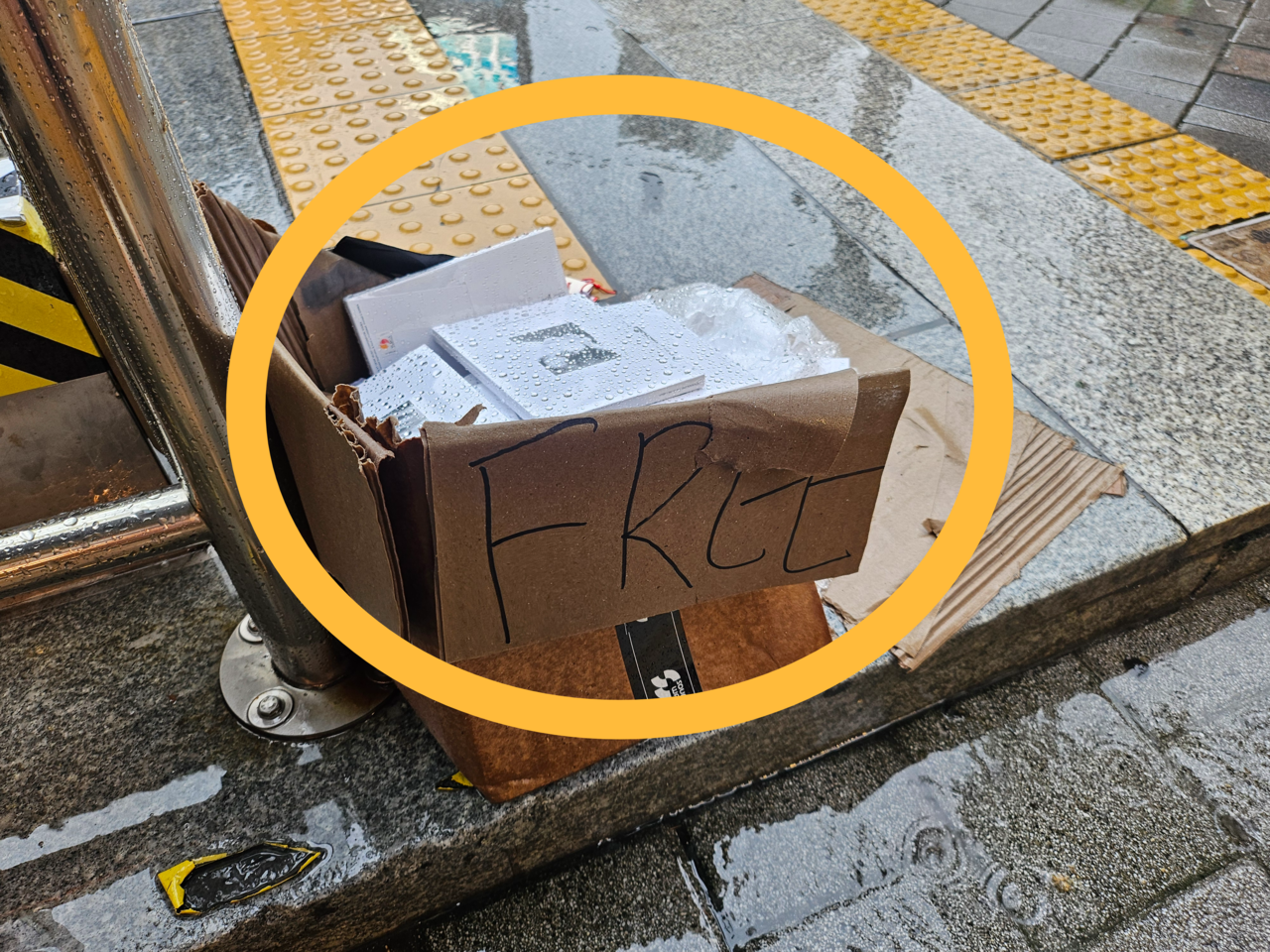
"FREE"
On Monday, a cardboard box of unknown contents sat beside an exit of Ewha Womans University Station on Seoul Metro Line 2, near the entrance to a university district. The box was stuffed full and marked with the word "FREE" in large letters.
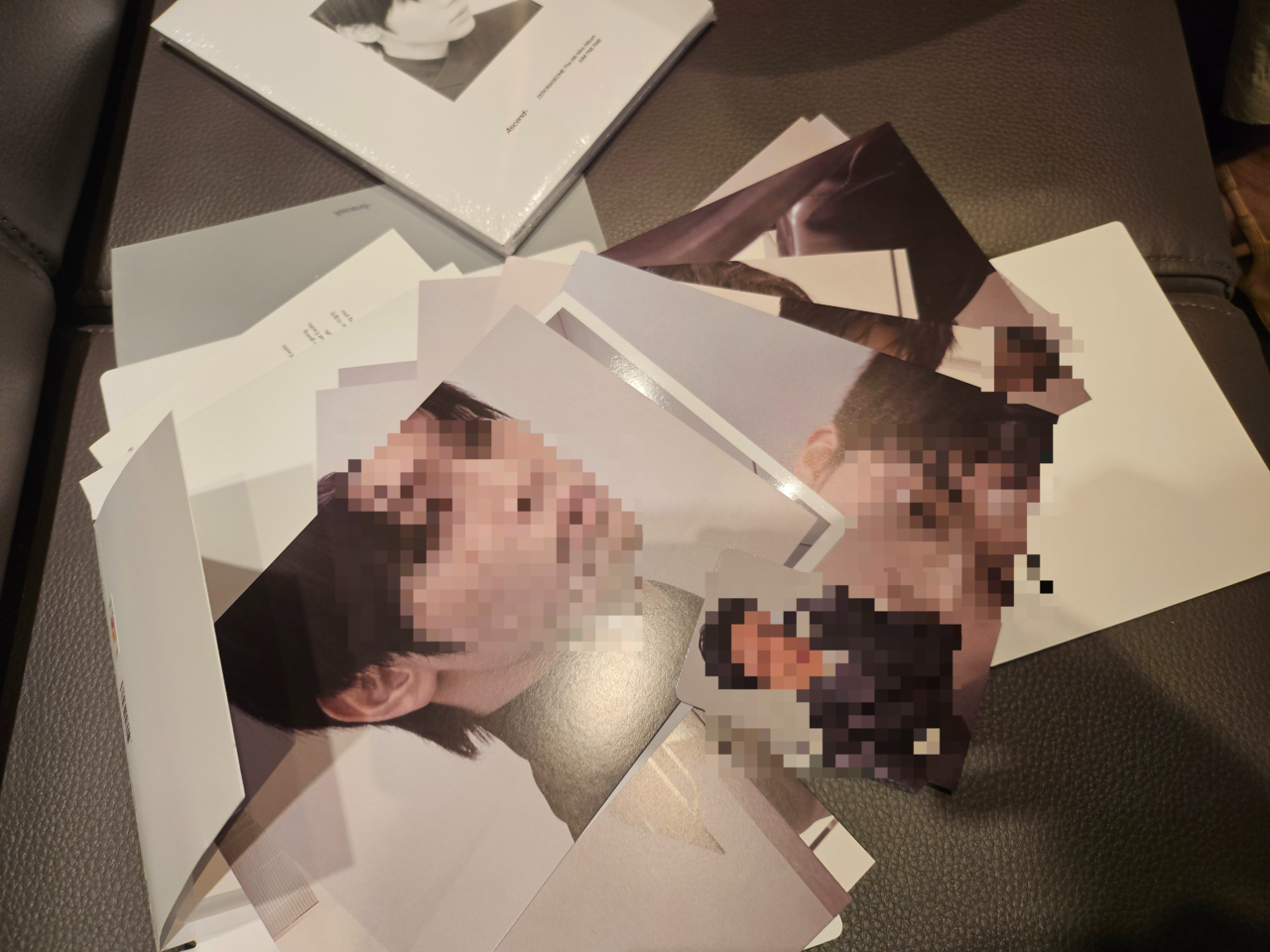
Inside were dozens of albums by a well-known idol group — all brand new, still sealed in their original plastic wrap. The albums, released this year, retail for around 20,000 won ($15) each, putting the value of a single box at roughly 1 million won.
At first glance it looks like a generous giveaway. In reality, it reflects one of the darker sides of the K-pop industry. Fans buy dozens of copies of the same album to maximize their chances of winning fan sign events and other lottery-style contests — the more albums purchased, the more entries submitted — and then simply discard the ones they do not need.
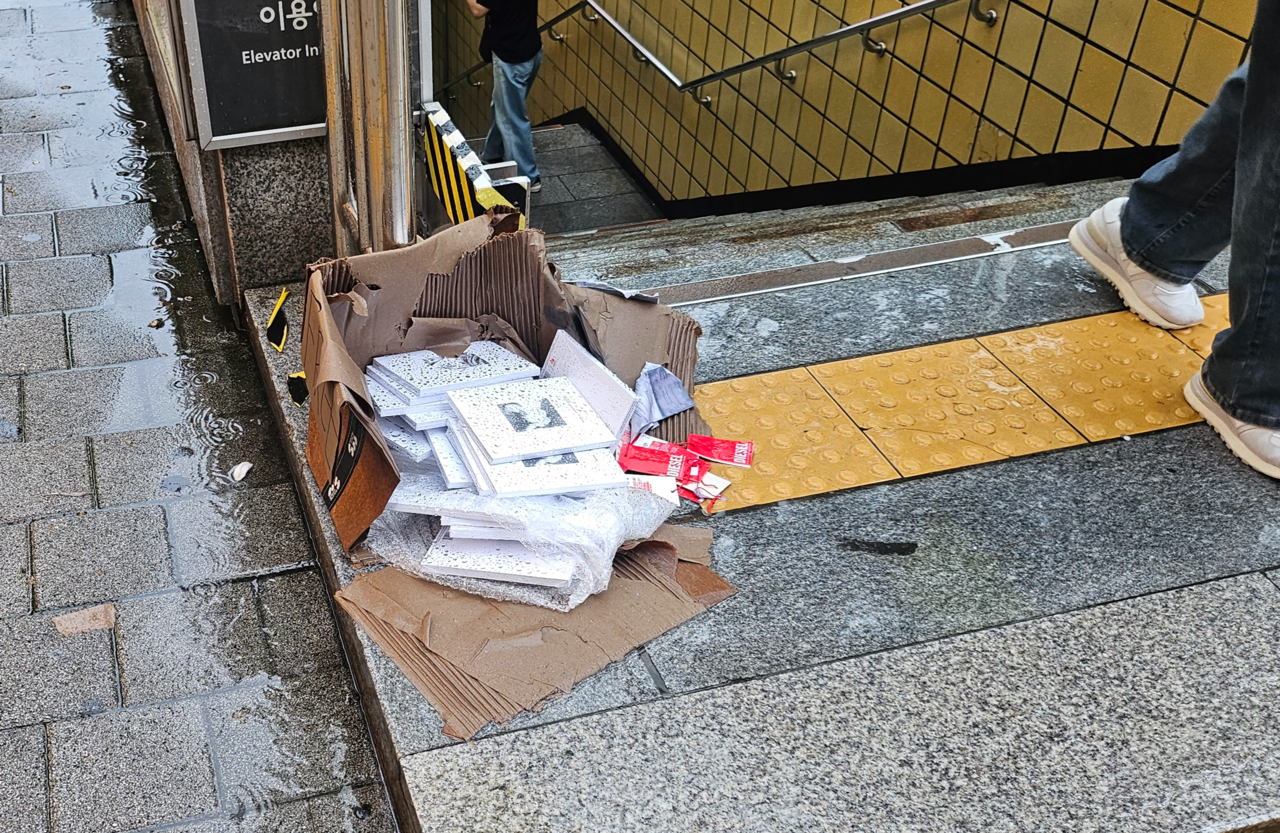
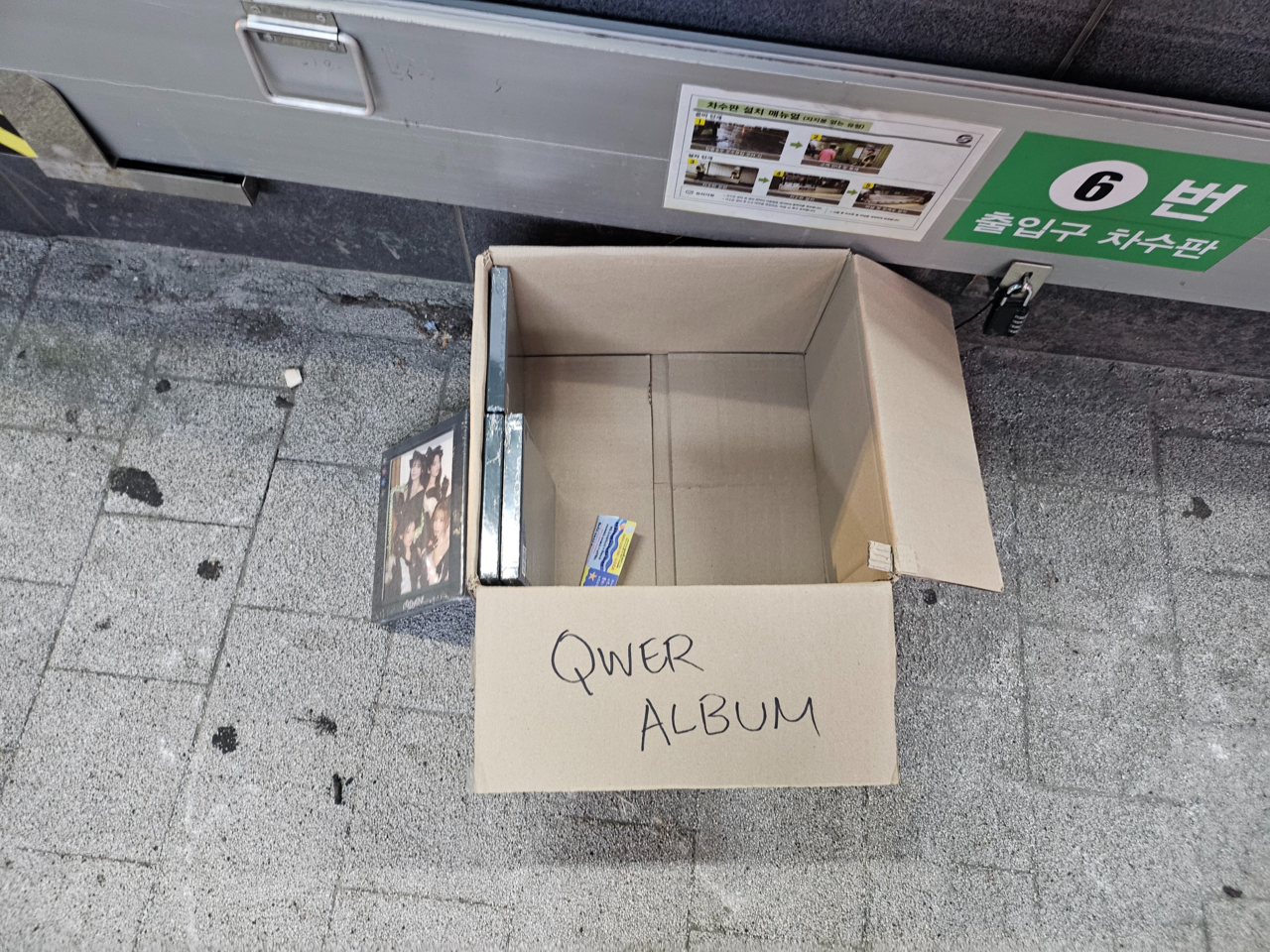
The problem is not limited to any one artist. Near Ewha Womans University Station alone, albums dumped under the guise of free giveaways are a frequent sight, and the artists and agencies involved span a wide range.
About 100 million K-pop albums are sold each year. Given how deeply the physical album system is embedded across the K-pop market, the volume of albums discarded without ever being used is likely substantial.
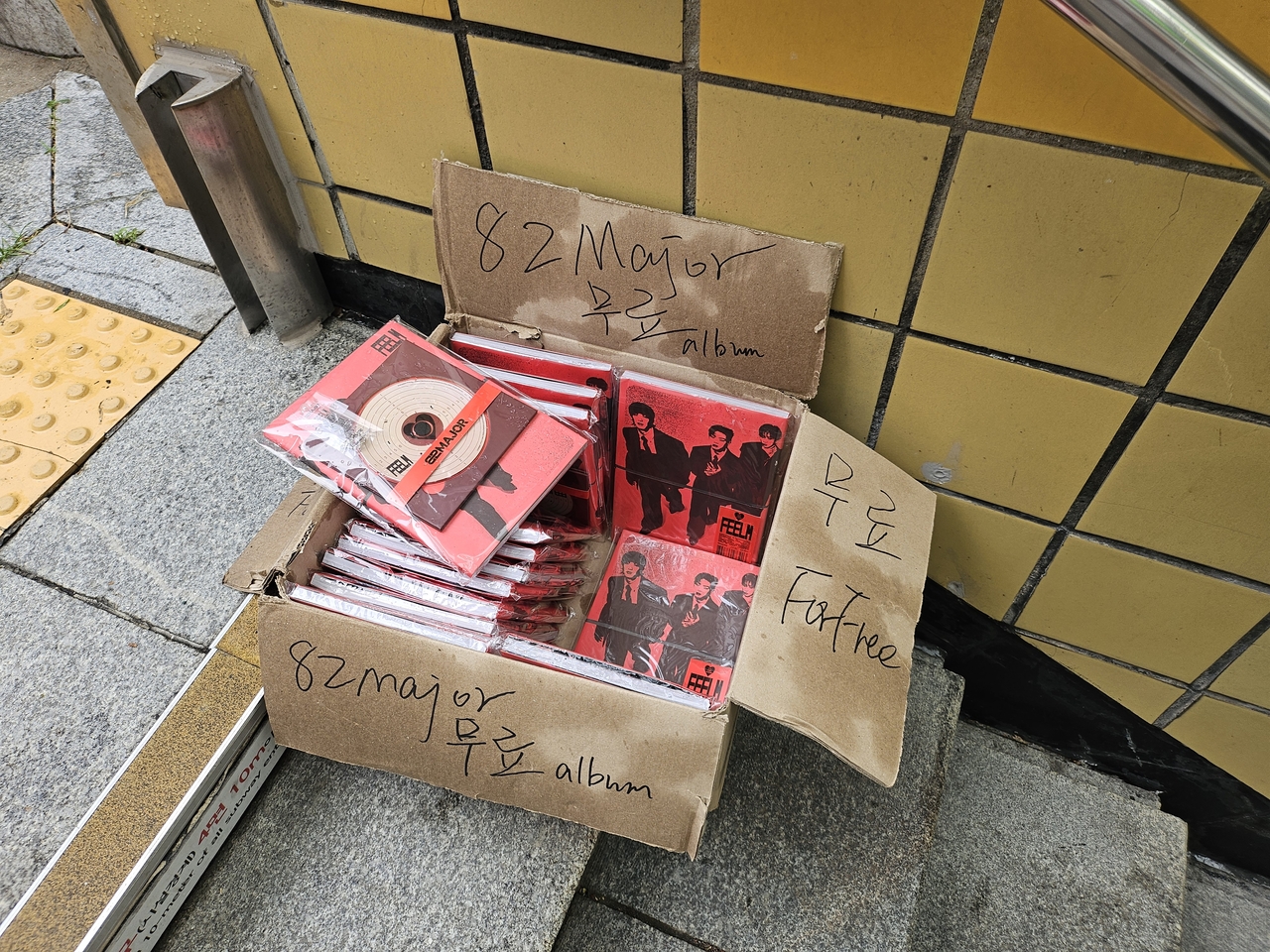
The albums found at the station that day are a case in point. When purchased at one music retailer last May, each copy came with one entry ticket for an in-person fan sign event. Video call events worked the same way — one album bundled with one entry ticket for a video call with a chosen member.
This structure, in which buying more albums directly increases the odds of winning, is common across K-pop. For fans who want to meet their favorite artists, it creates a clear incentive to buy multiple copies of the same release — and that is why piles of never-opened albums end up discarded.

Fan sign entries are not the only driver. Random photo cards included as bonuses also fuel bulk buying. A typical setup offers one of five possible photo card versions inside each album, so fans who want a specific member's card — or who want to collect the full set — have to buy multiple copies.
A survey by the Korea Consumer Agency conducted in 2023, targeting consumers aged 14 and older who had paid for fandom activities in the previous two years, found that among those who had bought albums, 52.7 percent cited "collecting goods" as their reason and 25.4 percent cited "entering events." Only 5.7 percent said they bought albums to listen to the music.
Among those who bought multiple copies of the same album to enter events, the average purchase was 6.7 copies, with a maximum of 80. Those buying for random goods averaged 4.1 copies, with a maximum of 90.
It would be an overstatement to say the culture of buying albums for the music has disappeared entirely. What is clear, however, is that the K-pop market has built in other reasons to buy multiple physical copies of the same release.
The scale of album sales driven by these incentives is not small — and it has grown roughly tenfold over the past decade. According to Circle Chart's first-half 2026 review, released last month, sales across the top 400 albums in the first half of this year reached about 53 million copies, up roughly 10.52 million copies, or 24.8 percent, from the same period a year earlier.
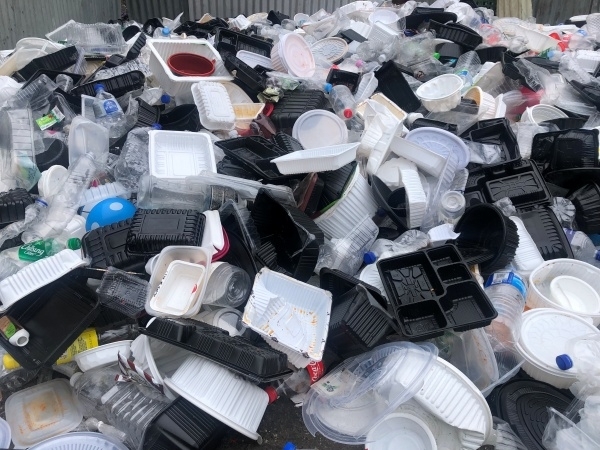
As album sales grow, so does the plastic waste they generate. Data obtained by National Assembly member Lee Yong-woo of the Environment and Labor Committee from the Korea Creative Content Agency and the Ministry of Environment in 2024 estimated that plastic waste from K-pop albums had increased more than 8.3 times in four years. Based on albums sold in 2023, CDs alone were estimated to have generated more than 1,983 metric tons of plastic.
CDs cannot simply be tossed into a recycling bin and reused. They are made of polycarbonate, a type of plastic that can technically be separated and recycled, but experts say economic recovery is difficult because each disc also contains a thin metallic layer and a paper label, making the materials complex to process.

Beyond CDs, the elaborate packaging, photographs and coated paper included in most K-pop albums also pose a challenge. Recycling methods differ by material, and some components cannot be handled through standard paper or plastic sorting in the first place.
Regulations do exist. Current law on resource recycling requires a waste disposal levy on plastic products that are difficult to recycle or likely to cause waste management problems. However, companies that use 10 metric tons or fewer of plastic per year are exempt — a threshold that lets many music labels avoid paying the charge altogether.
The industry has made some moves on its own. Platform albums — which omit a physical CD and instead let buyers stream music via a QR code or app — have been gradually gaining ground. According to Circle Chart, platform albums' share of total top-400 album sales rose from 13.9 percent in 2024 to 16.2 percent in 2025.
But among fans, there is a growing view that cutting back on CDs alone is not enough. What needs to change, they argue, is the sales model itself — the one that gives fans reasons to buy the same album over and over.

In a self-conducted poll by Kpop4Planet — a climate action platform created by K-pop fans — of about 12,000 fans worldwide in August 2024, fan sign event entry systems were voted the most problematic album sales tactic. Random photo cards and the proliferation of multiple album versions ranked second and third.
Kpop4Planet has also pushed the issue directly to the industry. In March last year, it sent open letters to major South Korean entertainment companies — HYBE, JYP, SM and YG — calling on them to scale back marketing practices that encourage bulk purchases, including fan sign entries, random photo cards and the release of multiple album versions.

Through its "Sins of Plastic Albums" campaign, the group is also demanding that entertainment companies publicly disclose the volume of waste generated by their albums and draw up concrete reduction plans.
"Entertainment companies are encouraging duplicate purchases through random photo cards, multiple cover versions and fan sign entries — all to sell as many albums as possible," Kpop4Planet said. "Fans' support is being exploited, and on top of that, they are being left to deal with the album waste."

woo@heraldcorp.com