
Hyundai Motor Group, Posco break ground on joint electric arc furnace steelworks
Jang In-hwa accelerates 'complete localization' strategy
Targets 10 million tons via expansion into India, Indonesia and beyond

Posco Group plans to expand its overseas crude steel production capacity to 10 million tons, using the Hyundai-Posco Louisiana Steel joint venture — known as HPLS — as its foundation. The collaboration between Hyundai Steel and Posco, two of South Korea's leading steelmakers, is expected to give HPLS a springboard not only into the North American market but toward broader global production growth.
Posco Group and Hyundai Motor Group held a ground-breaking ceremony for HPLS on Friday (local time) in Donaldsonville, Louisiana. Hyundai Motor Group Chairman Euisun Chung, Hyundai Steel President Lee Bo-ryong and Posco Group Chairman Jang In-hwa were among those in attendance.
HPLS is an automotive steel sheet-focused steelworks with an integrated process running from raw materials through to finished products, designed to produce high-quality steel while generating lower carbon emissions than conventional blast furnaces. Construction is set to begin in the fourth quarter of this year, with the plant slated to produce 2.7 million tons annually of hot-rolled, cold-rolled and coated steel sheet starting in the first quarter of 2029.
HPLS, which broke ground through the two groups' partnership, is expected to serve as a bridgehead for entry into the North American steel market. While that market has been constrained by protectionist barriers for more than a decade, local demand for low-carbon automotive steel has been rising. The two groups expect that building a local production and supply system will help neutralize trade risks.
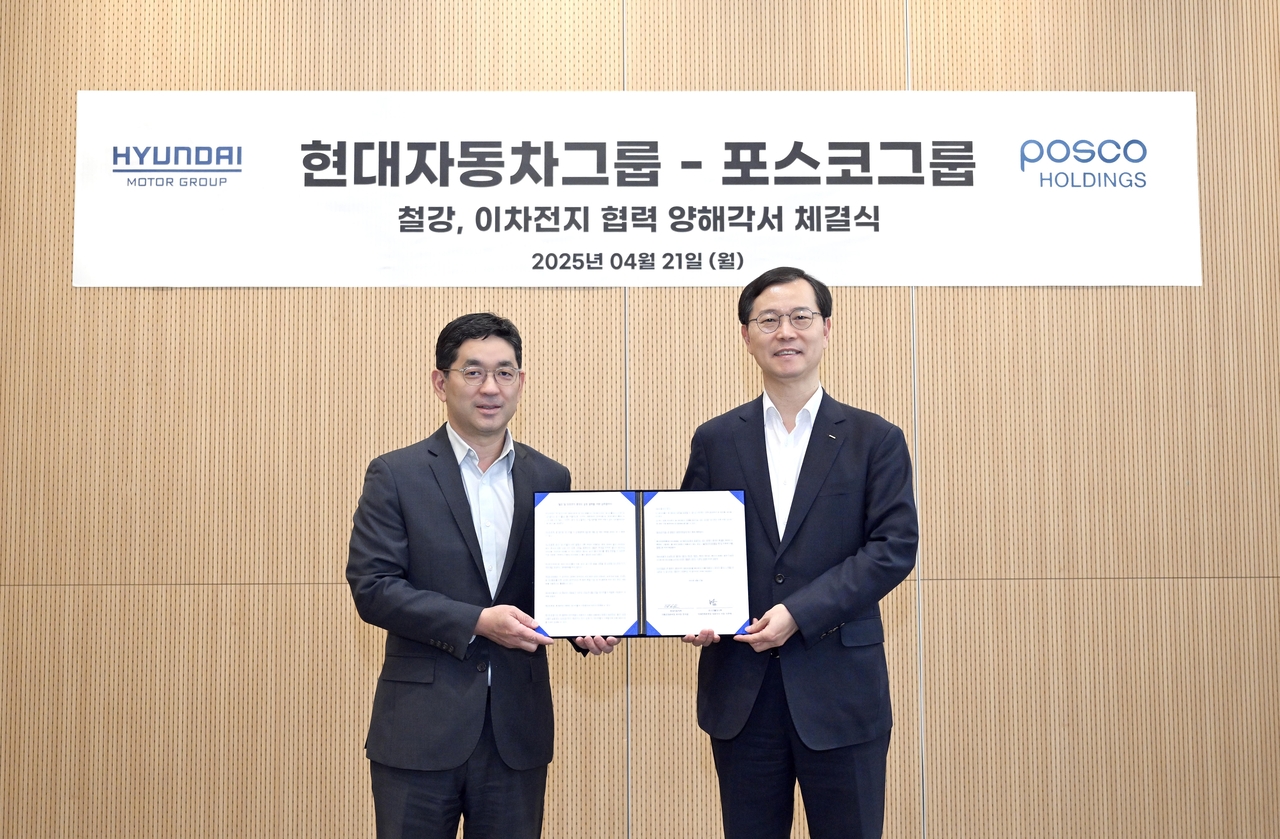
The two groups had signed an MOU last April to strengthen their global competitiveness in the steel sector. In January, they completed equity contributions — Hyundai Steel taking a 50 percent stake, Posco 20 percent, Hyundai Motor 15 percent and Kia 15 percent.
Hyundai Steel and Posco have each built up technical expertise by operating large-scale electric arc furnaces — at the Dangjin and Gwangyang steelworks, respectively. Industry observers expect the two companies to generate synergies by combining Posco's accumulated experience and know-how in running overseas operations.
The two companies are reviewing a plan for Posco to directly sell output from HPLS, and are working out arrangements to supply local automakers as well as Posco's manufacturing subsidiaries in Mexico. If the sales plan is finalized, Posco would secure a stable supply of materials to those Mexican operations.
Posco Group said the project marks the first tangible result of the "complete localization strategy" pursued since Chairman Jang took office. The strategy calls for completing every stage of the value chain — from raw material procurement through production, sales and service — within the local market. Through this approach, Posco aims to eliminate uncertainty in global supply chains and build a flexible operating structure capable of responding immediately to local customers' needs.
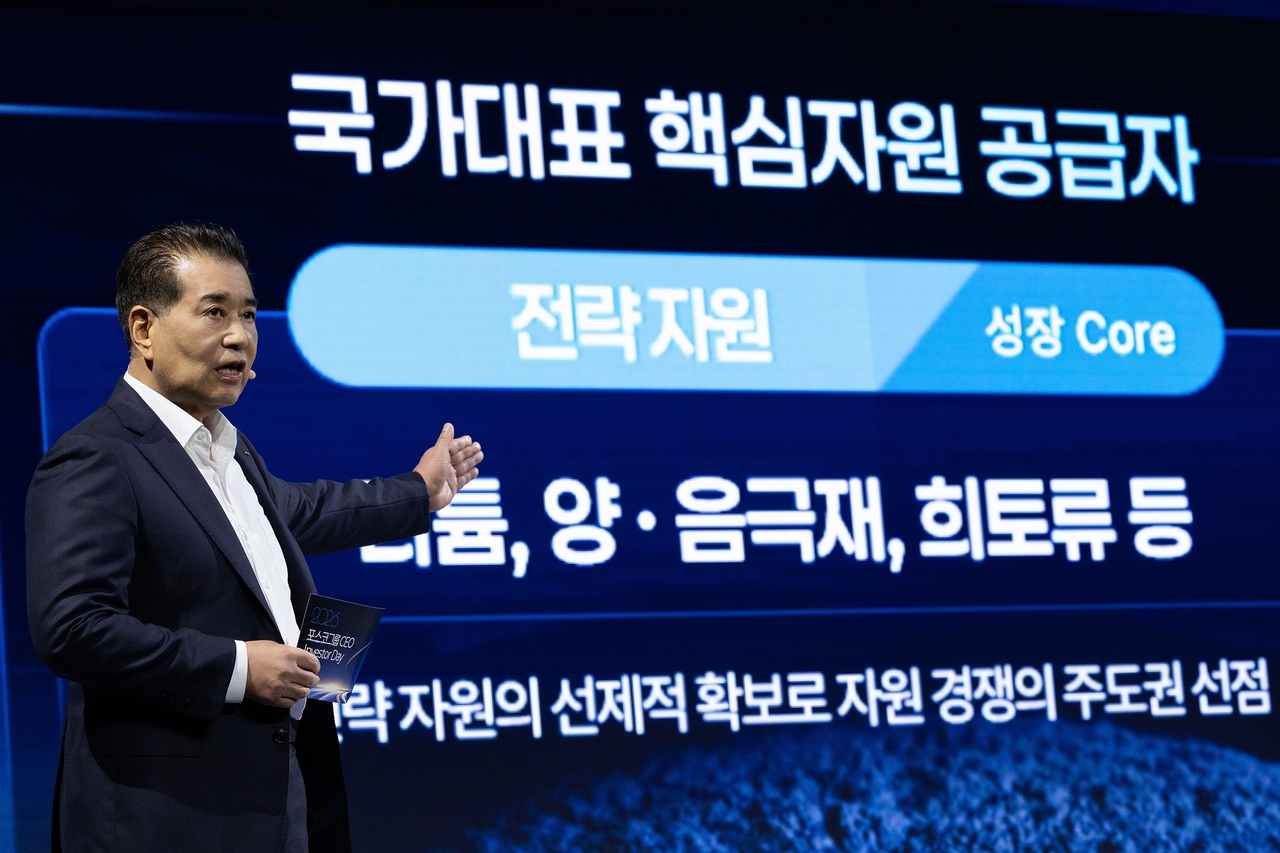
To strengthen its position in the US market, where demand for high-grade steel has surged on the back of manufacturing reshoring, Posco is pursuing not only the HPLS joint investment but also exploring multiple avenues of cooperation with domestic steelmaker Cleveland-Cliffs.
Posco also plans to accelerate investment in high-growth global markets — starting with the United States and extending to India and Indonesia — with the aim of expanding overseas crude steel production capacity to 10 million tons by 2031. The company already signed a joint venture agreement with India's JSW Steel in April for an integrated steelworks with an annual capacity of 6 million tons. In Indonesia, it is reviewing a plan with state investment firm Danantara to double the crude steel production capacity of an existing integrated steelworks, as it moves to capture demand from rapidly growing manufacturing sectors in emerging economies.
Meanwhile, Posco intends to establish a virtuous cycle in which profits from overseas operations are reinvested into transitioning domestic production to a low-carbon model and into research and development of future high-value-added products. The company envisions a distinctive growth model in which quantitative expansion in global markets feeds back into strengthening the qualitative competitiveness of South Korea's domestic steel industry.
eyre@heraldcorp.com





