
'Warm governance, quiet politics' — one step closer to citizens
"I make it a habit never to overlook even small inconveniences in daily life"
Editor's note: Behind the scenes of local governance are meaningful efforts — often unnoticed — that bring small but real changes to people's lives. This column spotlights lawmakers recommended by their peers, exploring the stories and work behind their service. The focus is on results and cooperation over political conflict, showcasing the many faces of local democracy.
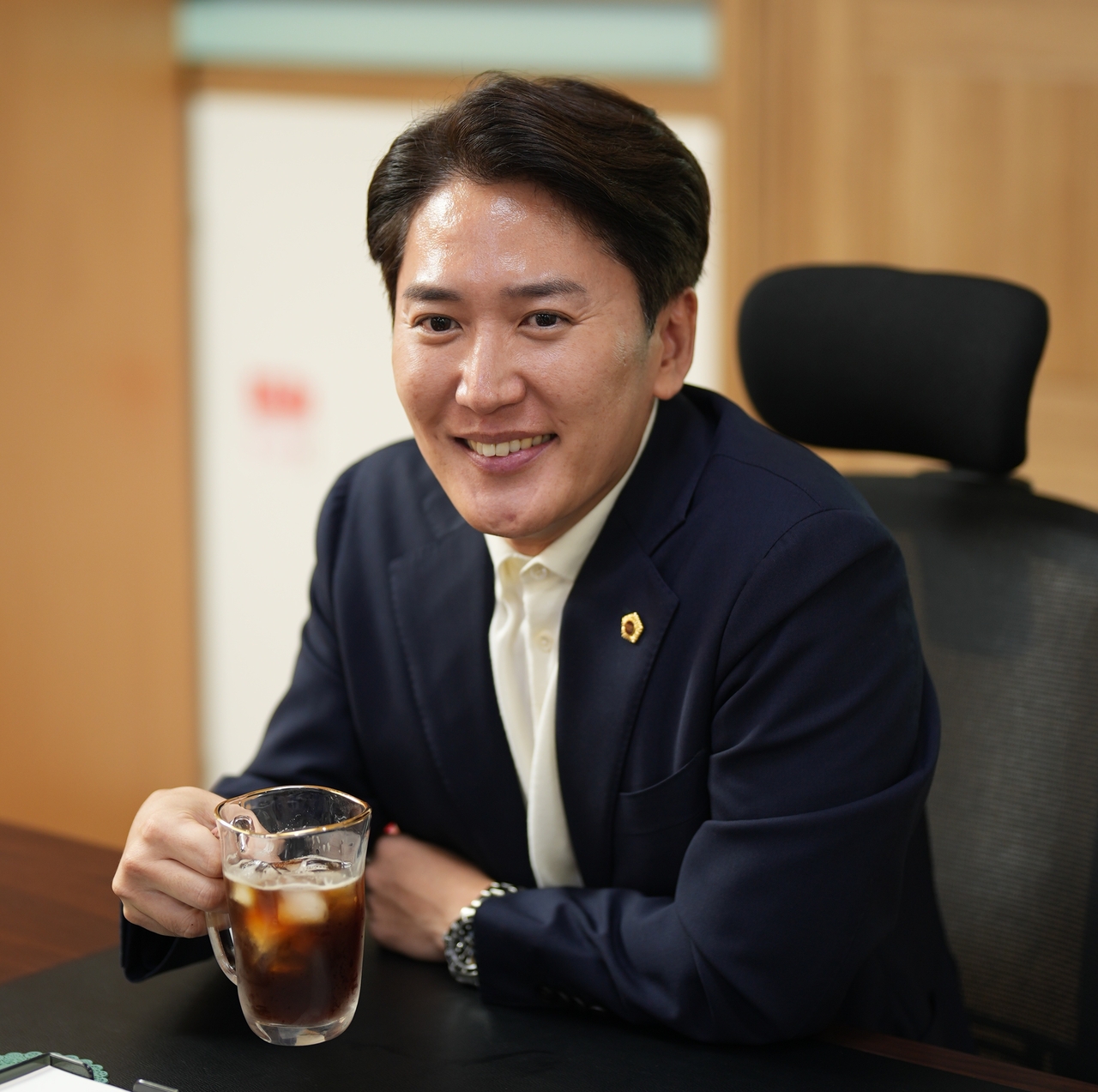
The language of politics can be sharp. But the legislative work that changes people's daily lives is not always carried out with a loud voice. Some lawmakers look carefully at places that rarely draw attention; others take the time to truly listen. That quiet kind of strength defines the approach of Lee Min-seok, chairman of the Seoul Metropolitan Council's Environment and Water Resources Committee, who represents Mapo District No. 1 for the People Power Party.
Those who have worked closely with Lee consistently describe him as meticulous. Rather than chasing high-profile achievements, he focuses on problems that citizens rarely notice until something goes wrong — drinking water, sewage infrastructure, disaster prevention and climate. These are areas that stay out of sight in ordinary times but directly affect people's lives when they fail.
His emphasis on "preemptive response" in his legislative work also starts with people. In an era of recurring heat waves and torrential rains, he believes it is not enough to look for solutions only after a disaster strikes. He pays particular attention to the fact that the same disaster can pose far greater risks to vulnerable residents — those living in semi-basement units, the elderly and people with disabilities.
"Places like the Han River and parks are important because they are visible, but things like drinking water and the climate environment may actually be closer to citizens' daily lives precisely because they are not."
He holds that ensuring a safe water supply, preparing for heavy rains and giving residents access to green space near their homes matters just as much as building impressive public spaces.
Listen, observe, change: Lee Min-seok's people-centered politics
His view of the Han River, too, is centered on people. Before turning to attention-grabbing projects like the Han River ferry service or waterfront festivals, he looks at how riverside expressways cut residents off from the water. His goal is to make the Han River not a destination for special occasions but an everyday living space — somewhere people commute past, stroll along and exercise in as part of their routine.
He takes the same approach to parks and green space. Rather than simply adding new parks, he focuses on connecting existing green areas close to where people live so they can be used with ease. That is the thinking behind his effort to link Mapo's green assets — World Cup Park, the Gyeongui Line Forest Park and Han River Park — into a single integrated living zone.
Another hallmark of his legislative style is what he calls "politics of listening." Even when ruling and opposition parties disagree, he makes a point of hearing the other side out before pressing his own position. His reasoning is that on complex urban issues, no single side is likely to hold all the answers.
"In most cases, no one side is 100 percent right. I think politics is about finding the point that helps citizens most from within those different perspectives."
That attitude translates into legislative work aimed at finding better answers rather than simply winning arguments. His time as a district council member before joining the Seoul Metropolitan Council — listening to residents' voices on the ground — also shaped his political outlook.
What he hopes to achieve through his work is, in his own words, surprisingly modest: not sweeping accomplishments, but changes that make citizens feel "a little more comfortable than before."
Preparing for climate disasters in advance, ensuring a stable supply of clean water and making green space accessible near people's homes may not draw much attention. But it is ultimately these small changes that gradually improve citizens' daily lives.
Politics is sometimes remembered for its competitive and adversarial language, but what citizens' lives may need most is someone's careful attention and steady sense of responsibility — looking at the places that go unnoticed and listening to what others have to say. That is the kind of warm politics reflected in Lee's work as a lawmaker.
As the first guest of the "Praise Over Politics" series, Lee named Democratic Party lawmaker Park Seung-jin as the next featured colleague, praising Park's diligent legislative record and commitment to communication with fellow lawmakers across party lines.
7toy7@heraldcorp.com





