Seoul, Asia and the Middle East connected through the Silk Road; support for cultural exchange expansion
About 1,000 ambassadors, tourists and residents gather at Cheonggye Plaza
Deputy chair calls for deeper cultural understanding and tourism exchange
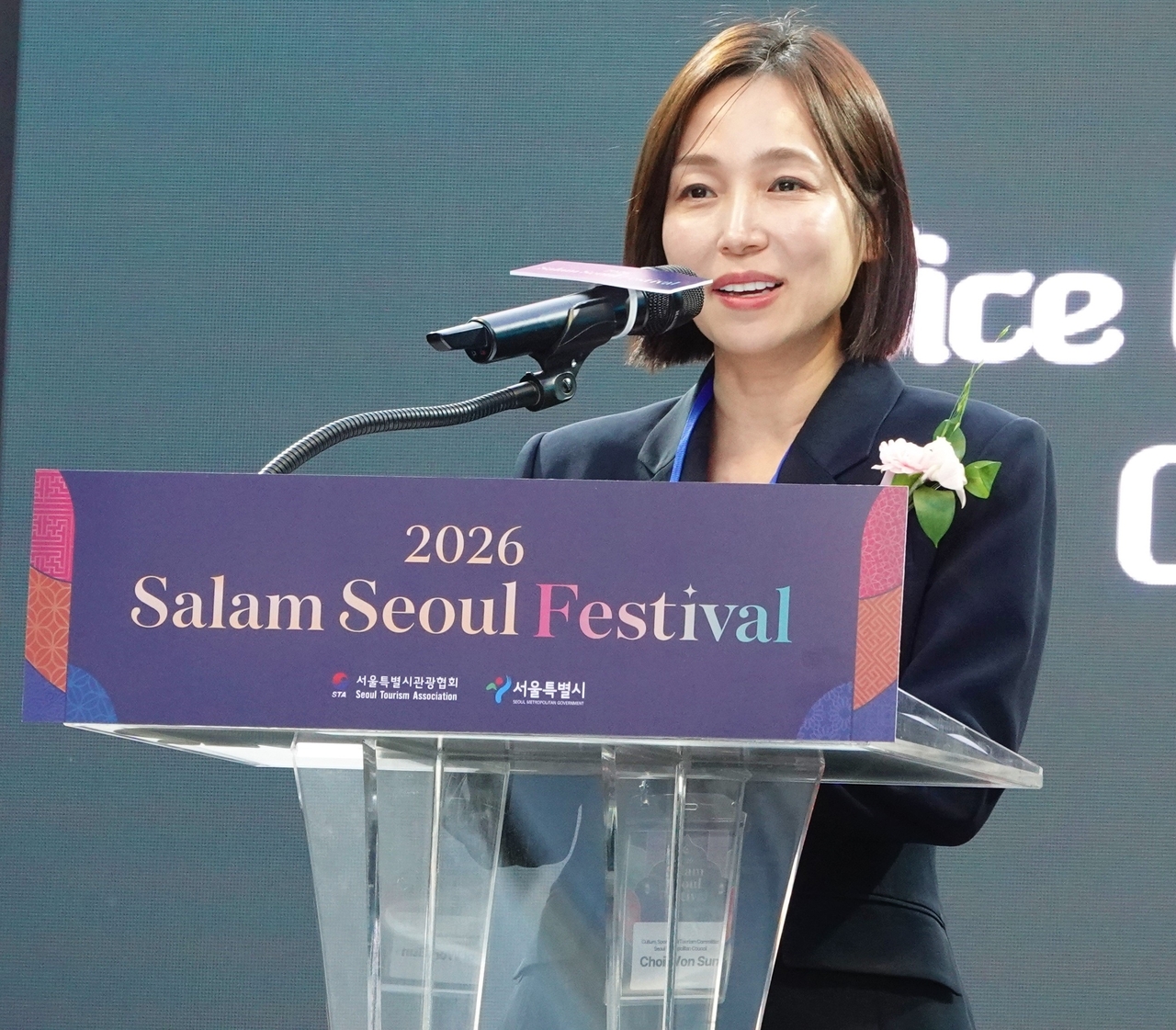
The ancient Silk Road, which once linked the civilizations and cultures of East and West, found new life as a path of cultural exchange in the heart of Seoul. About 1,000 residents and tourists gathered at Cheonggye Plaza, transforming the downtown square into a stage for international exchange as the city brought together cultures from Seoul, Asia and the Middle East.
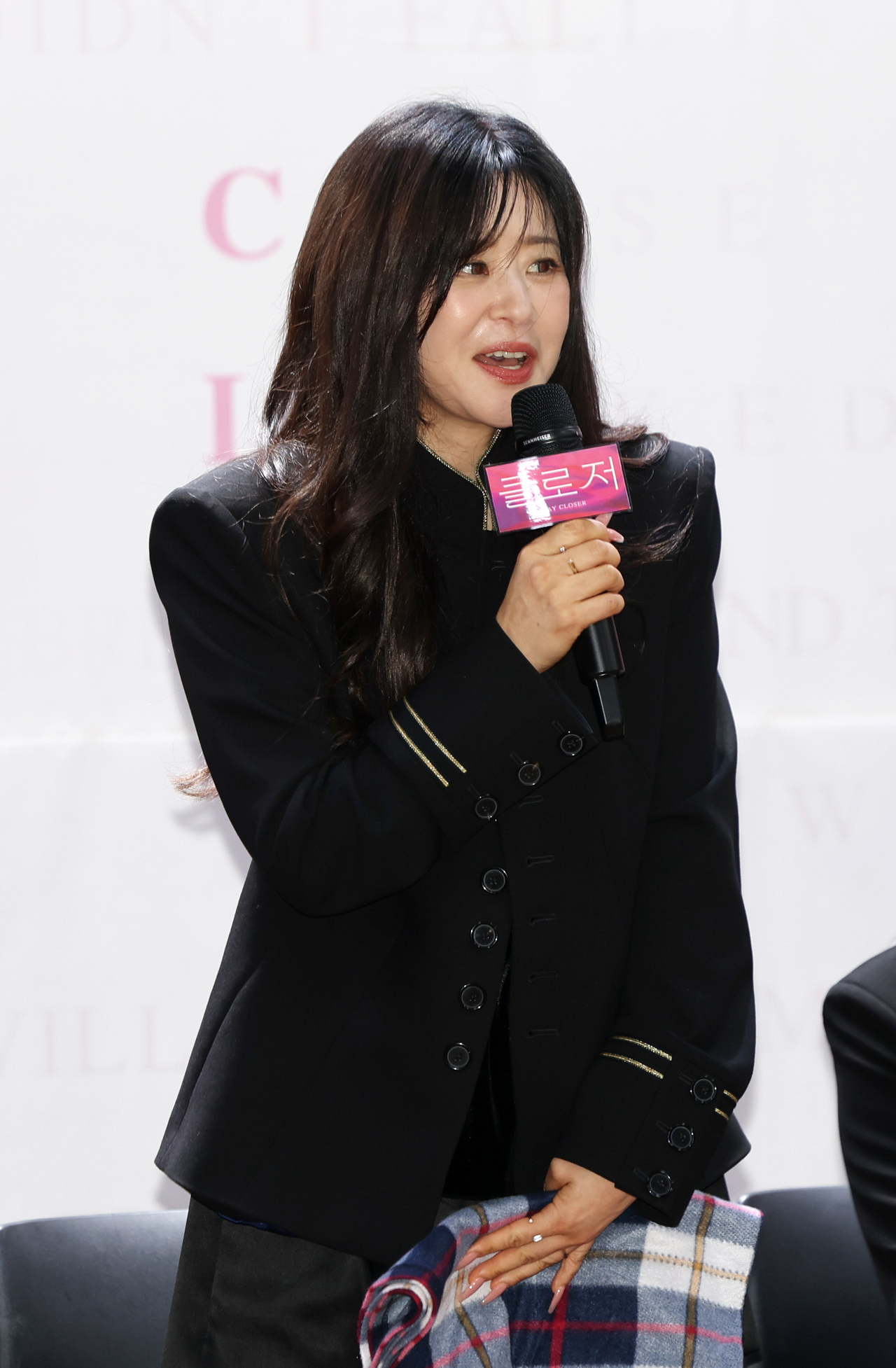
Choi Won-seon, deputy chair of the Seoul Metropolitan Council's Culture, Sports and Tourism Committee and a People Power Party proportional representative, attended the 2026 Salam Seoul Festival at Cheonggye Plaza on Friday and said the council would work to expand policy support for cultural and tourism exchange between Seoul and the Asia-Middle East region.
In her congratulatory remarks, Choi said the Silk Road had long served as a corridor of exchange, connecting people and cities and allowing different cultures to meet and forge new relationships. She said Seoul and the Asia-Middle East region were also drawing closer across tourism, culture and other fields, building on a shared history of exchange.
She said that for ties between nations and cities to go beyond one-off events, people must have ample opportunities to directly experience and understand each other's cultures.
"The more opportunities we have to directly experience and understand each other's cultures, the broader the scope of exchange can become," Choi said. "I hope the Salam Seoul Festival will become a meaningful occasion that gives new life to the Silk Road connecting Seoul with Asia and the Middle East."
The event, co-hosted by the Seoul Metropolitan Government and the Seoul Tourism Association, drew about 1,000 attendees, including ambassadors from Asian and Middle Eastern countries based in Korea, visiting tourists and Seoul residents. It was designed to give citizens direct access to regional cultures, deepen mutual understanding and promote tourism exchange.
Choi said she hoped the festival would broaden interest in different cultures. She said she hoped that through encountering and enjoying diverse cultures together, people's understanding of one another would deepen. She also pledged that the Seoul Metropolitan Council would contribute policy and institutional support to help Seoul and the Asia-Middle East region grow closer through culture.
Choi, who has worked in international politics and regional policy, has focused on expanding Seoul's international cultural exchange infrastructure, drawing on her research background in global cultural content. As deputy chair of the Culture, Sports and Tourism Committee, she continues her legislative work to support Seoul's development as a global cultural hub and to invigorate the city's tourism industry.
7toy7@heraldcorp.com