Rep. Kim Kyo-heung introduces bill to revise National Pension Act
Foreigners would get same benefits only if their home country grants Koreans equivalent treatment

A legislative push is underway to apply a reciprocity principle to foreigners' retroactive payments and dependent pension benefits under the national pension system. The push comes amid concerns that some of the system's provisions could create inequities between Korean and foreign participants.
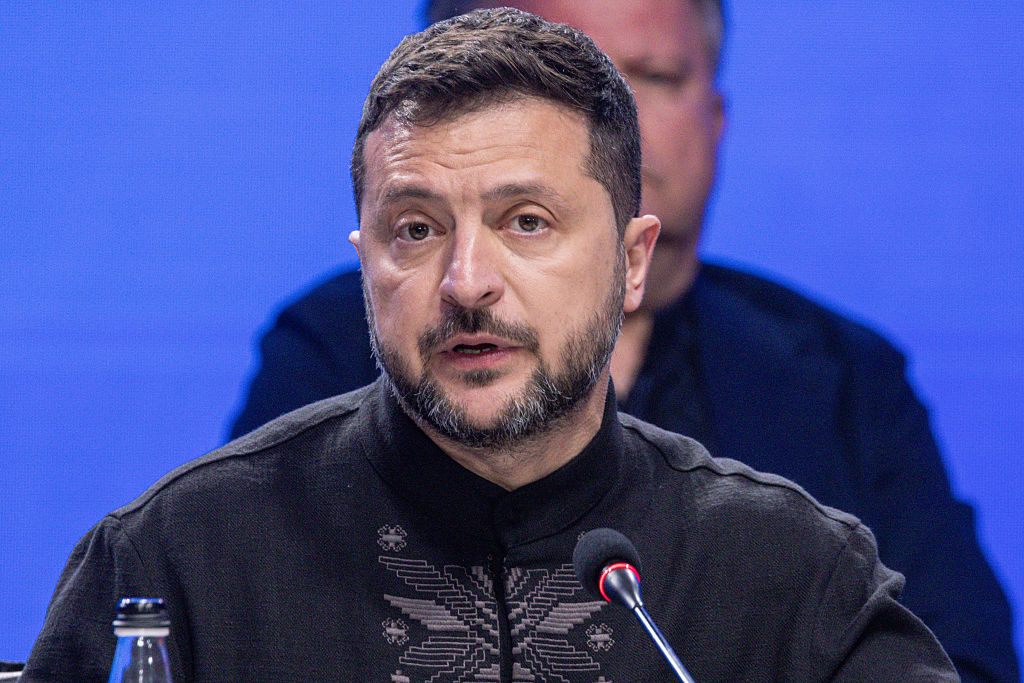
Rep. Kim Kyo-heung of the Democratic Party of Korea, who represents Incheon Seo-gu A, said Wednesday that he had introduced an amendment to the National Pension Act that would apply reciprocity to foreigners' use of the national pension system.
The core of the amendment is to stop applying pension benefits to foreigners uniformly. Instead, eligibility would be decided based on whether the foreign national's home country offers Korean citizens the same level of institutional benefits.
One of the most contested elements of the current system is the "retroactive payment" provision, which allows people who missed premium payments in the past to pay them later if they meet certain requirements.
Kim said some foreigners have been securing pension eligibility by paying premiums for a relatively short period in Korea and then using the retroactive payment provision to pay for a much longer period all at once.
Under the amendment, reciprocity would in principle apply to foreigners' retroactive payments, meaning such payments would be recognized only if the foreign national's home country allows Korean citizens the same option.
Currently, dependent pension benefits are paid to foreign recipients under the same standards applied to Korean recipients.
Once the amendment takes effect, foreign recipients would receive the added benefit for dependents only if their home country's laws also provide equivalent additional pension payments to Korean citizens with dependents.
However, transitional measures will be put in place for existing recipients to minimize confusion from the change.
Under the amendment, foreigners already receiving dependent pension benefits under the existing rules will keep their current payment amounts.
The new reciprocity standard would instead apply only to dependents added after the law takes effect, allowing the system to shift gradually.
Kim said fairness and mutual benefit should be basic principles of the national pension system, adding that Korea needs to reconsider a structure in which it unilaterally provides benefits that other countries do not offer to Korean citizens.
However, the National Assembly is expected to need further discussion before the change takes effect. That discussion would cover the social insurance rights of foreign subscribers, differences among countries' pension systems, and the scope of international agreements and reciprocity provisions.
Particularly, how to define and judge "reciprocity" is expected to become a key issue in the legislative process going forward.
That is because the structure, enrollment requirements and treatment of foreigners vary from country to country. This makes it difficult to judge mutual benefits based simply on whether an equivalent system exists elsewhere.
The amendment introduced by Kim will go through National Assembly review, where the scope of its application and detailed criteria will be discussed further.
gilbert@heraldcorp.com