![The 38th Kagawa Toyohiko Academic Conference was held at the Kagawa Memorial Hall in Tokyo. [Daegu Cyber University]](https://wimg.heraldcorp.com/news/cms/2026/09/13/news-p.v1.20260913.743f67daa94d40959695ee41de3a21da_P1.jpg)
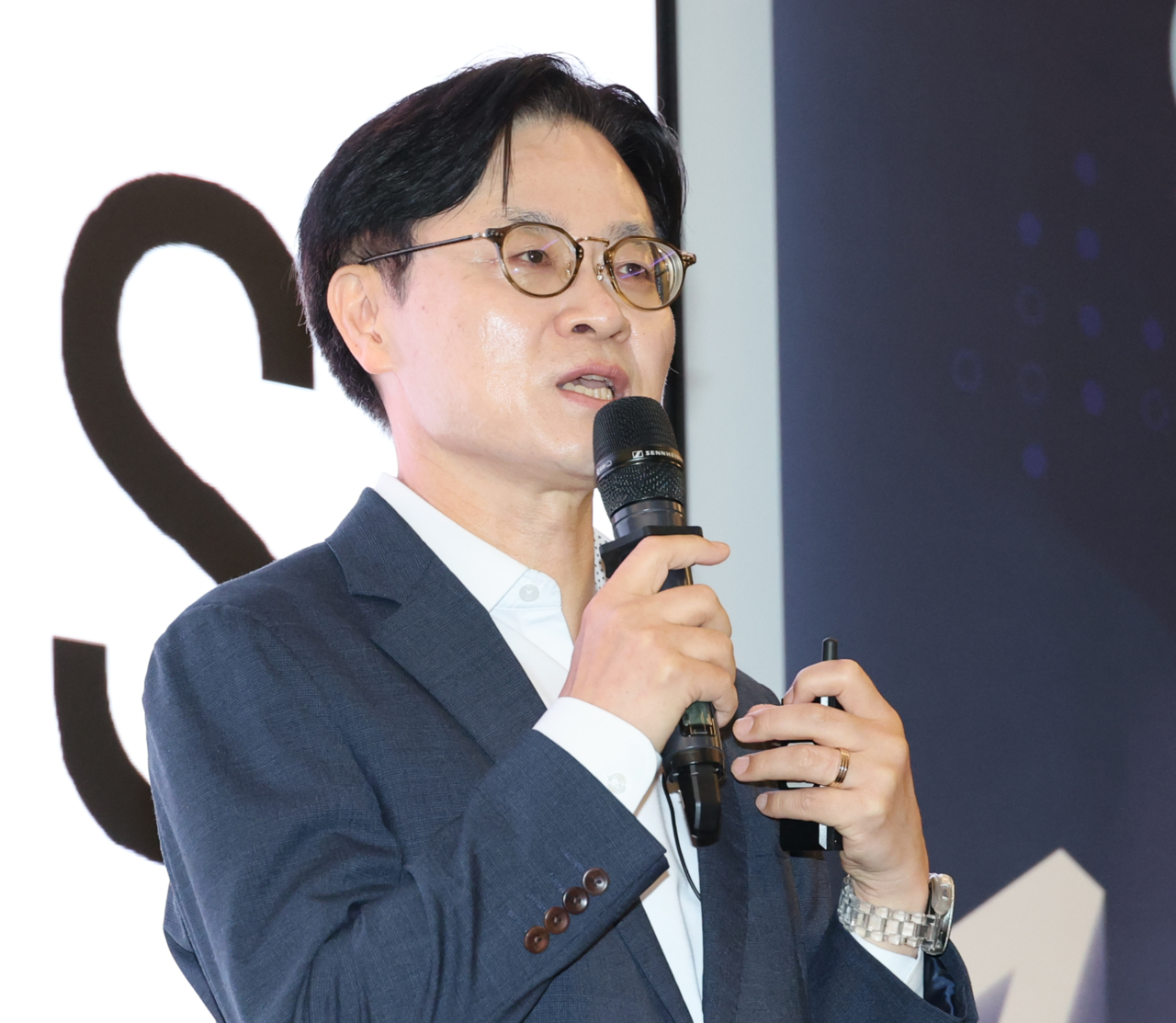
Daegu Cyber University announced Saturday that President Lee Geun-yong attended the 38th Kagawa Toyohiko Academic Conference in Tokyo, reaffirming the historical significance of more than a century of Korean-Japanese academic and welfare cooperation and carrying forward the founding spirit that underpins the university.
The conference was held Sept. 4 at the Honjo Kagawa Memorial Hall in Sumida-gu, Tokyo, and was co-hosted by the Kagawa Toyohiko Academic Society — led by Kurokawa Tomofumi, a specially appointed professor at Meiji Gakuin University and Chuo Gakuin University — and the Meiji Gakuin University Institute for Christian Studies.
President Lee attended as a society member alongside Choi Eun-young, vice president of Daegu University.
The Honjo area of Sumida-gu, where the conference was held, is historically significant as the base from which Kagawa Toyohiko (1888–1960) — a social activist known as the "Saint of Japan" who was twice nominated for the Nobel Peace Prize — carried out relief work for the poor and displaced following the Great Kanto Earthquake of 1923.
On the morning of the first day, participants took a field tour beginning at the Honjo Kagawa Memorial Hall, which preserves traces of Kagawa's work, followed by visits to the Nakano-go Credit Union, the Hikari no En nursery school and Higashi-Komagata Church.
The afternoon session featured a keynote address by Itami Kentaro, a professor at Hosei University, on the theme "What the Honjo Experience Gave Kagawa Toyohiko: Toward Building a Society of Solidarity," followed by academic presentations from researchers at major Japanese universities including Doshisha University, Kwansei Gakuin University, Chiba University and Ehime University.
A highlight of the day was a special presentation by Daegu University Vice President Choi, who spoke on "Kagawa Toyohiko and Seongsan Lee Young-sik: Heritage Across Borders and a Vision for the Future," drawing a strong response from attendees.
"The philosophy of 'downward service' espoused by Kagawa and the founding ideals of our university share a common spirit — one that goes beyond simple charity to restore the dignity of every marginalized person through what we call 'universal welfare,'" President Lee said. "We will continue to build on the noble legacy of our founders, advancing it through the values of modern special education and welfare."
kbj7653@heraldcorp.com